




Oak Architectural Corbels
Oak architectural corbels are heavy structural supports and decorative wall brackets carved from timber, prized for adding historic character and sculptural depth to interiors.
Oak Architectural Corbels
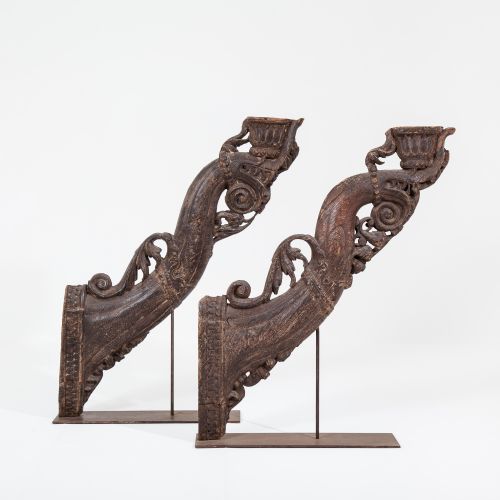
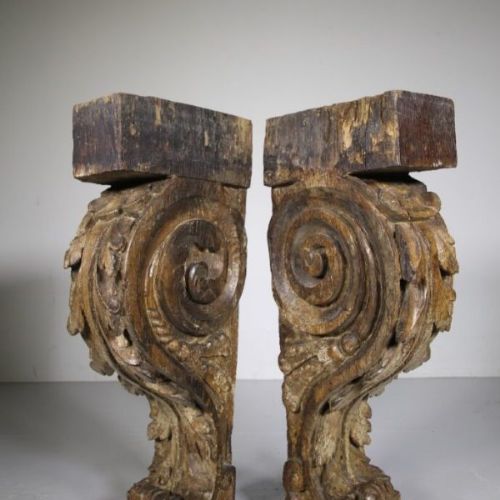
When you search for oak architectural corbels, you encounter robust timber supports spanning several centuries of craftsmanship. These pieces function as wall brackets, wall sculptures, and architectural fragments salvaged from historic buildings.
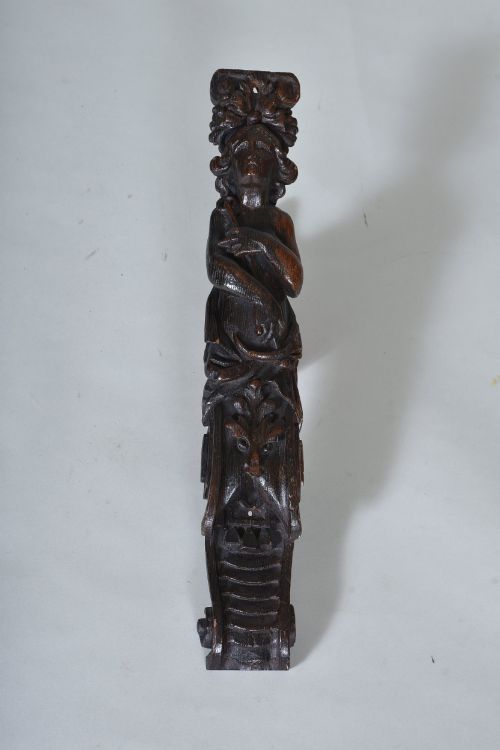
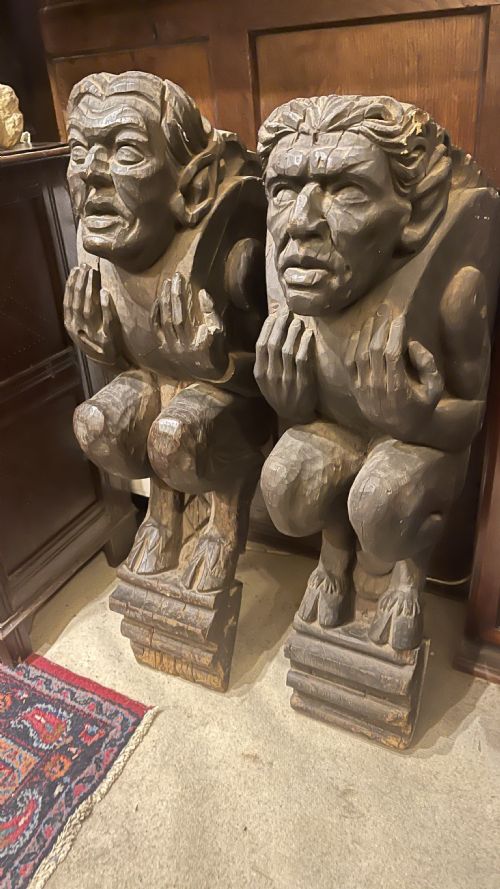
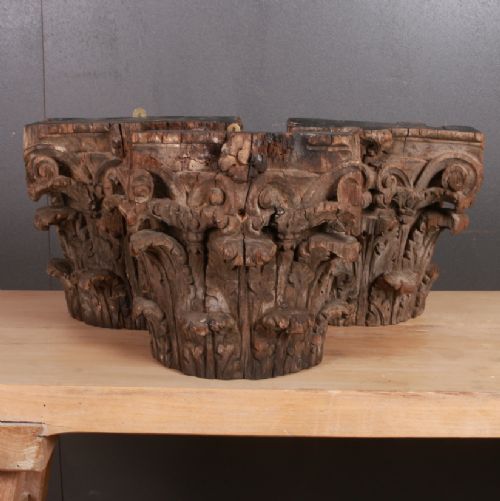
The versions most commonly met on this page range from seventeenth century Jacobean pieces and eighteenth century Continental examples to medieval fragments and later Georgian items. They frequently take the form of figurative carvings, caryatids, and ceiling boss panels.
What varies in quality
Condition and completeness also separate the items, as survival over centuries often brings weathering, losses, or structural repairs. Original surface patination and crispness of the chisel work distinguish superior seventeenth and eighteenth century examples.
Listings feature oak material across periods spanning the sixteenth century to the nineteen hundreds, including Georgian and seventeenth century styles.
The Oak Architectural Corbels Glossary
- Corbel
- A structural member projecting from a wall to support a weight inside or out, typically carved from oak in these listings. They often feature figurative or decorative motifs.
- Caryatid
- A sculpted female figure serving as an architectural support taking the place of a column or a pillar. These appear carved in oak among the seventeenth century items.
- Ceiling Boss
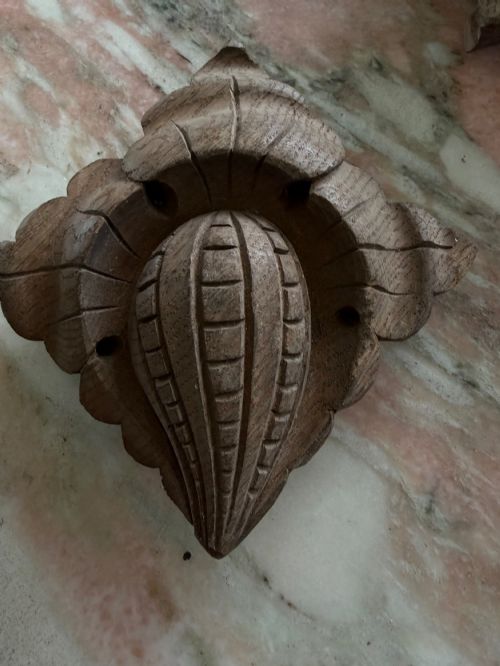
- A projecting block of wood at the intersection of ribs in a ceiling, often intricately carved. Examples include architectural panels salvaged from historic buildings.
- Architectural Salvage
- Building materials and decorative elements rescued from structures slated for demolition or restoration. This category encompasses many of the wall brackets and fragments found here.
- Ecclesiastical Gothic
- A medieval style of architecture and decoration associated with churches, featuring pointed arches and religious figures such as carved angels.
Oak Architectural Corbels: Frequently Asked Questions
What is an oak architectural corbel?
An oak architectural corbel is a heavy wooden bracket designed to project from a wall and support weight, such as a beam or shelf. These pieces are typically hand-carved and function as both structural elements and decorative wall sculptures.
They originate from various historic periods, including the sixteenth, seventeenth, and eighteenth centuries. Many survive as fragments salvaged from older buildings and churches.
How were these wall brackets used?
Historically, builders employed these wooden brackets beneath ceiling beams, mantels, and roof trusses to provide physical support. They transferred the weight of upper structures safely down into the main walls.
Over time, many of these supports have been removed from their original settings and preserved as standalone architectural carvings. Today, collectors often mount them on walls purely for their sculptural and historic aesthetic.
How do I date an antique oak corbel?
Dating relies heavily on stylistic clues, carving techniques, and the tool marks left in the timber. Seventeenth century pieces often display Jacobean motifs or robust figurative work, while eighteenth century items may show continental baroque influences.
Examining the type of oak, the degree of surface oxidation, and the nature of any integrated iron fixings helps determine age. Comparing the sculptural style to known ecclesiastical gothic or medieval periods provides further context.
How do I mount a heavy wooden corbel on a wall?
Mounting heavy carved oak requires locating sturdy wall studs or using heavy-duty masonry anchors depending on your wall type. Many pieces feature original iron fixings or flat rear surfaces designed for secure attachment.
Because these timber brackets can be exceptionally heavy, consulting a professional installer ensures the weight is safely distributed. Proper brackets or concealed steel rods will support the mass without damaging the historic wood.