



Oak and Walnut Commode
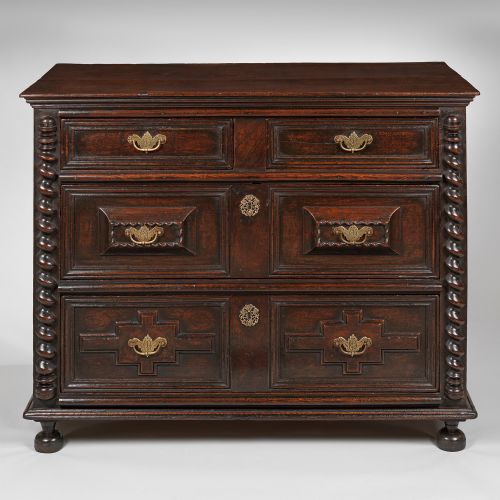
An oak and walnut commode is a substantial storage piece built from resilient timbers, prized for rich grain patterns and period character.
Oak and Walnut Commode
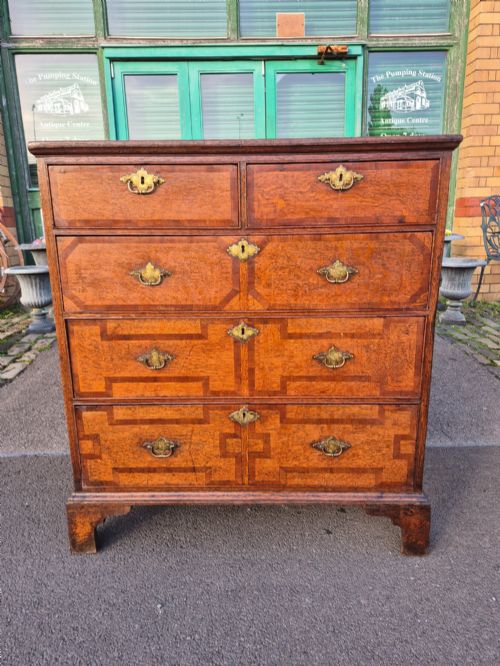
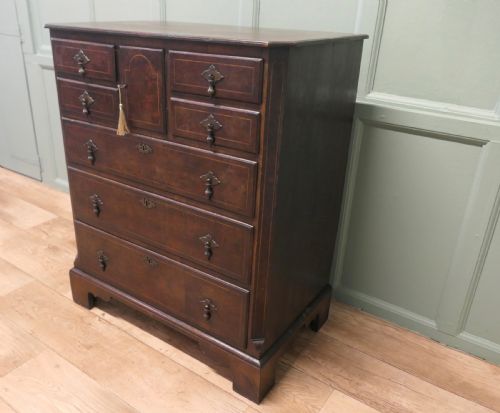
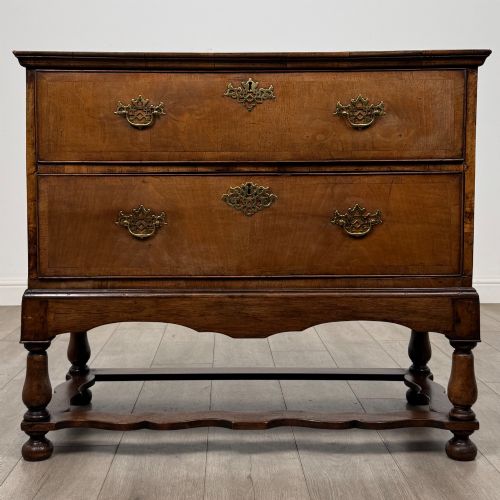
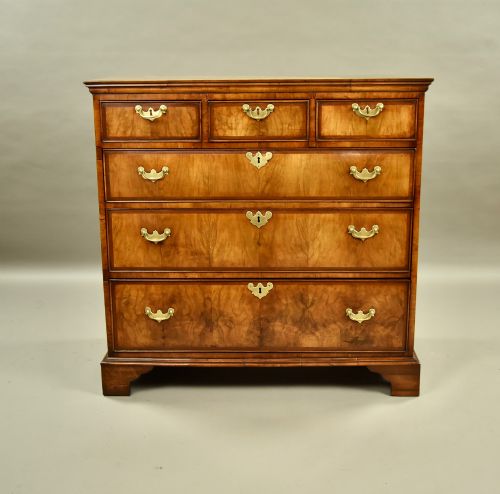
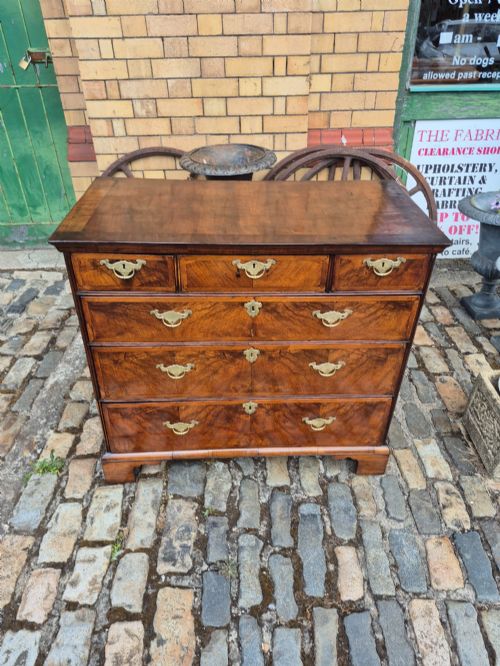
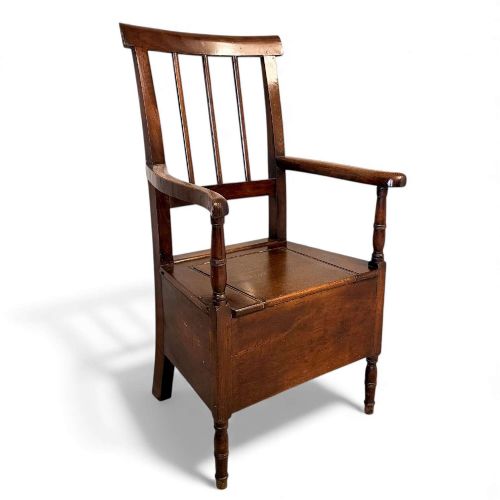
When you search for an oak and walnut commode, you encounter chests of drawers and commode chairs originating across the seventeenth, eighteenth, and nineteenth centuries. These pieces combine robust oak carcases with decorative walnut or fruitwood surfaces, spanning styles from William and Mary to early Georgian and French provincial designs.
How they were made
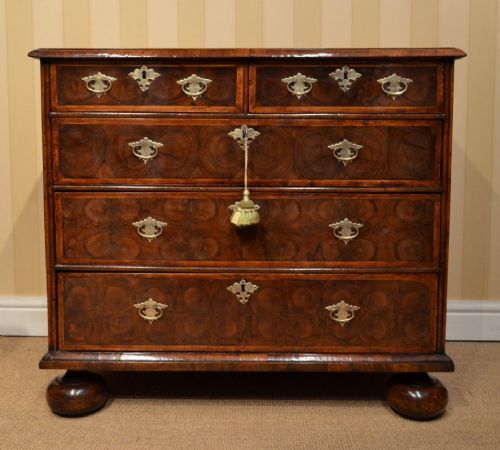
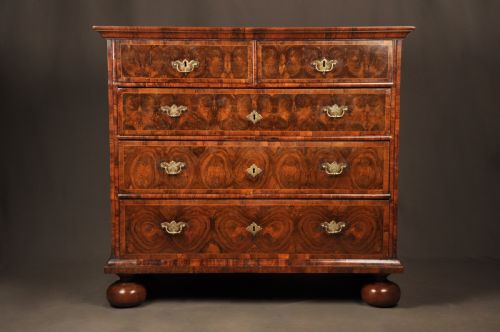
Cabinetmakers constructed the primary structures using sturdy oak, applying walnut, fruitwood, and olive veneers to the exterior surfaces. Many seventeenth-century examples employ intricate oyster veneering, cutting small branch sections across the grain to produce circular patterns.
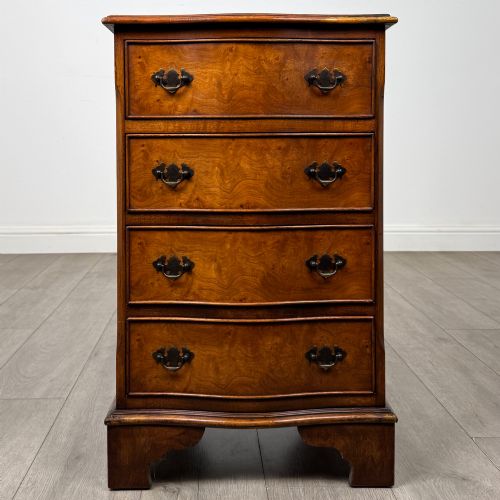
Further decoration involves brass hardware, inlay work, and marquetry details set into the wood surfaces. Joinery methods include two-part construction for larger chests, alongside serpentine shaping for continental and provincial commodes.
Oak and Walnut Commode Retail Price Guide 2026
Typical asking prices for oak and walnut commode among the pieces listed under this phrase on Sellingantiques today, from the lower quarter to the upper quarter. They describe what is for sale here now, not the wider market.
Some seventeenth-century trees surrendered their branches just to be sliced into tiny round oyster shells for a drawer front.
What varies in quality
Quality depends upon the choice and preservation of the timber veneers, from plain walnut boards to figured burr walnut and patterned oyster veneers. The crispness of the inlay work and the retention of original brass hardware distinguish finer examples.
Structural integrity also separates pieces, visible in the stability of the oak carcase and the precision of the serpentine or bombe shaping. The harmony between the secondary oak framing and the primary decorative veneers dictates the overall success of the piece.
The Oak and Walnut Commode Glossary
- Oyster veneer
- A method of cutting small branches obliquely to produce circular or oval wooden discs resembling oyster shells. These pieces were arranged closely across drawer fronts during the seventeenth century.
- Serpentine
- A furniture front or top curved with a convex centre flanked by concave ends, creating a flowing wave shape. This contour appears frequently on eighteenth-century continental and French commodes.
- Marquetry
- The art of applying fitted pieces of wood veneer to a structure to form decorative patterns and pictures. It is often seen on Dutch and later nineteenth-century pieces.
- Commode chair
- A seating item adapted with a concealed interior space, sometimes taking the form of an early chair dating from the late seventeenth or early eighteenth century.
- Two-part chest
- A tall case furniture design built in two separate stacked sections to facilitate transport and placement. This format is typical of seventeenth-century English cabinetmaking.
Oak and Walnut Commode: Frequently Asked Questions
What is an oak and walnut commode?
An oak and walnut commode is a historical storage chest or seating commode constructed with an oak framework and decorative walnut surfaces.
These pieces range from seventeenth-century oyster veneered examples to eighteenth-century Georgian designs and nineteenth-century continental models.
How do I date an oak and walnut commode?
Dating relies on examining construction methods, timber choices, and stylistic traits such as William and Mary inlays or serpentine shaping.
Earlier pieces from the seventeenth century often feature oyster veneers and two-part carcases, while eighteenth-century items lean towards Georgian proportions and French provincial serpentine profiles.
Where were these commodes made?
The pieces originate from various regions including England, France, and the Netherlands, reflecting distinct local cabinetmaking traditions.
English workshops produced structured chests in oak and walnut, whereas continental makers frequently employed bombe forms and marquetry decoration.
How do I maintain the wood surface?
Maintenance involves protecting the antique walnut and oak surfaces from direct sunlight, excessive heat, and moisture fluctuations.
Applying appropriate wax polishes helps preserve the finish and nourishes the historical timber without damaging the underlying veneer.