



Novelty Silver Trinket
These novelty silver trinket pieces bring small, amusing forms to desks and dressing tables.
Novelty Silver Trinket
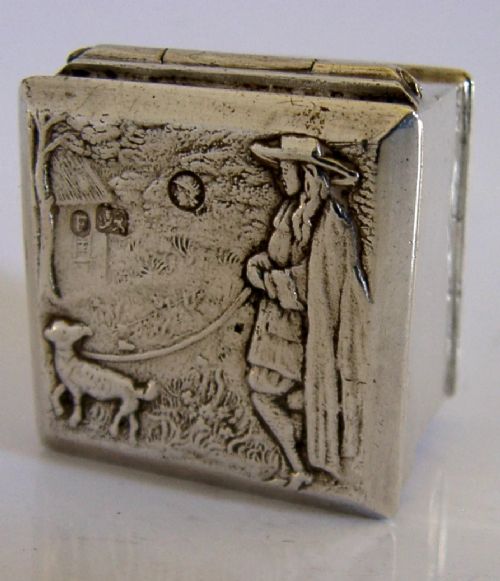
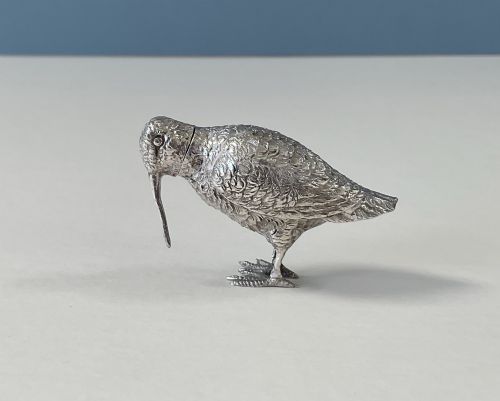
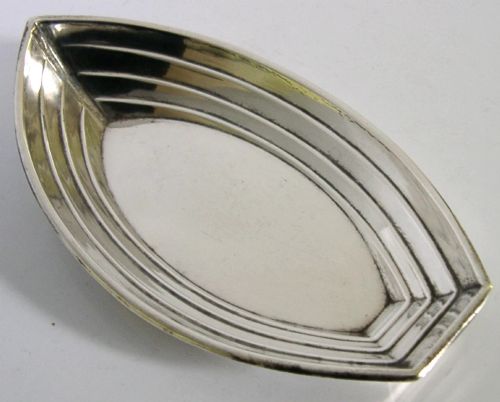
A novelty silver trinket takes the form of animals, boats, furniture, and everyday objects, serving as small boxes or dishes. When collectors search for a novelty silver trinket, they look for miniature pieces shaped like dogs, birds, rowing boats, sedan chairs, and trunks.
The pieces on this page span the Victorian, Edwardian, and mid-century periods, including work from 1870 up to 1960. Forms range from pill boxes and snuff boxes to larger vide poche dishes and jewellery boxes.
Origins include English, Dutch, and French makers, alongside American workshops. Animal models, such as cows, pigs, and crocodiles, sit alongside utilitarian items rendered in miniature, like warming pans and dressing tables.
How they were made
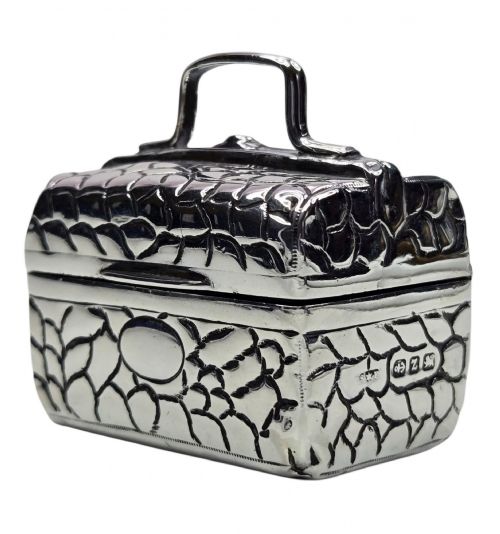
Makers utilised sterling silver, silver plate, and occasionally glass, paper, or wood to build these small containers. Metals were cast, chased, and hammered to mimic textures such as reptile skin, feathers, and woven surfaces.
Novelty Silver Trinket Retail Price Guide 2026
Typical asking prices for novelty silver trinket among the pieces listed under this phrase on Sellingantiques today, from the lower quarter to the upper quarter. They describe what is for sale here now, not the wider market.
Periods represented span from the nineteenth century through the Edwardian era and up to mid-century modern design.
What varies in quality
Quality rests on the crispness of the casting and the realism of the miniature form. Stronger examples retain sharp detail in fur, feathers, and hinges without softness or wear.
The depth of hand-chasing and the structural integrity of the small closures determine the standard of the piece. Makers who paid attention to interior gilding or realistic proportions achieve a more convincing object.
Hermes Paris·Wallace·Boaz Moses·W Comyns·William Padley
The Novelty Silver Trinket Glossary
- Vide poche
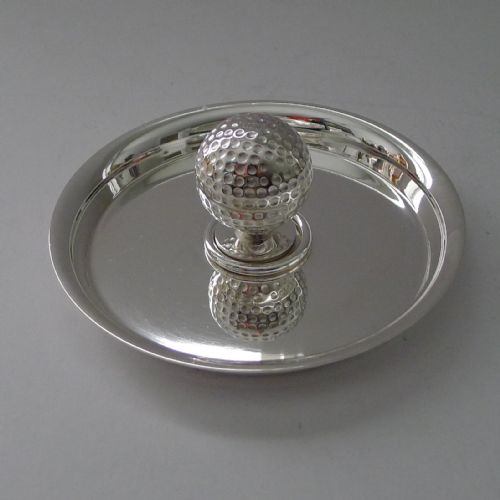
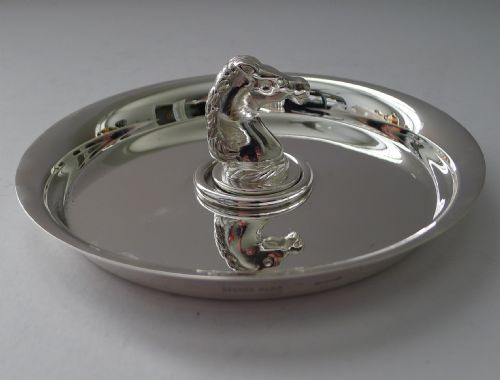
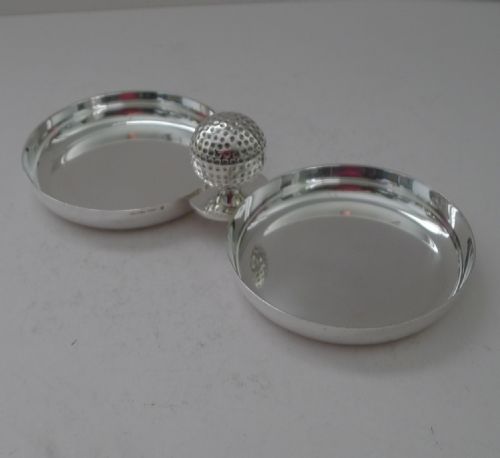
- A small tray or dish meant for emptying pockets at the end of the day. These often take animal or sporting shapes in mid-century silver plate.
- Snuff box
- A small hinged container used historically for holding dry powdered tobacco. Many novelty examples take animal or figural forms.
- Chasing
- A metalworking technique where the artisan pushes metal from the front using hammers and punches to create surface decoration.
- Sterling silver
- An alloy consisting of silver and other metals, typically copper, meeting a specific standard of purity for durability.
- Sweatmeat basket
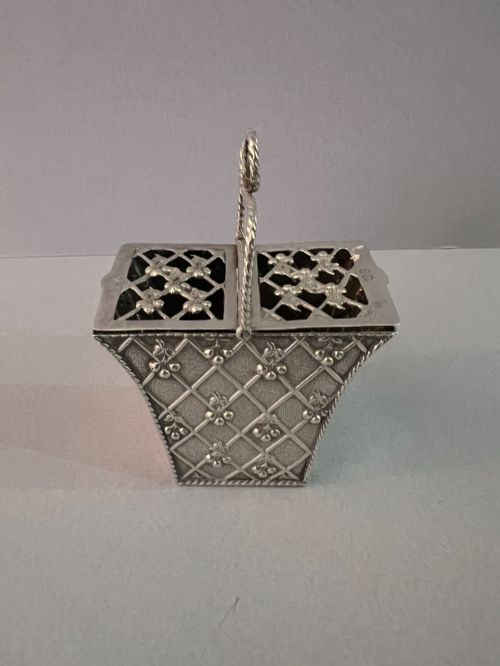
- A small decorative container historically used for holding sweets or confits. These often appear in miniature silver forms.
Novelty Silver Trinket: Frequently Asked Questions
What were novelty silver trinket boxes used for?
These small containers held pills, snuff, or small personal items on dressing tables and desks. Their amusing shapes also served as desk ornaments and conversation pieces.
Victorians and Edwardians favored whimsical items that displayed craftsmanship while fulfilling mundane storage needs in miniature form.
How do I date a novelty silver trinket?
Dating relies on hallmarks stamped into the metal, which indicate the city of assay, the maker, and the year of production. Stylistic clues, such as Edwardian naturalism or mid-century minimalism, also help narrow the timeframe.
Makers' marks provide direct links to registered silversmiths active during specific decades.
Are these pieces made of solid silver?
The materials vary between solid sterling silver and silver plate over a base metal. Hallmarks usually designate solid silver standards, while unmarked or plated items require closer inspection of the surface.
Descriptions specify whether a piece is sterling or plated.
How should I clean antique silver trinkets?
Light dusting with a soft microfibre cloth preserves the natural patina and delicate chased details. Harsh dips or abrasive polishes can strip away the aged surface and damage fine hinges.
Professional silver care products should be used sparingly on solid sections, avoiding delicate joints.