





Novelty Sewing Tools
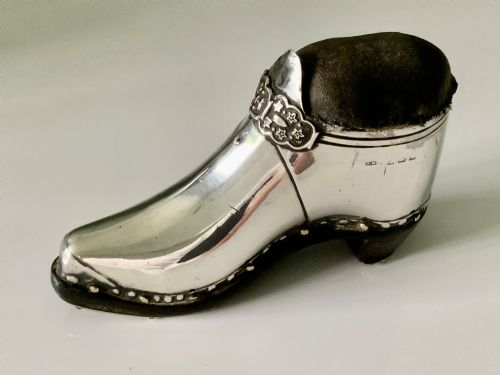
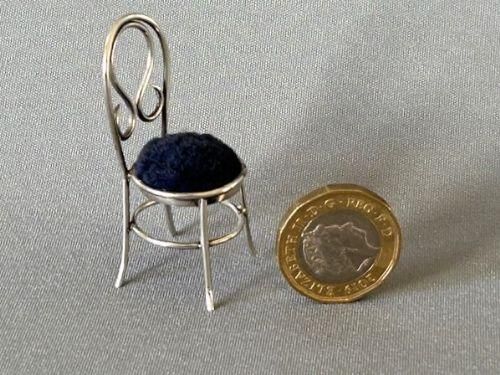
Novelty sewing tools are miniature silver animals, vehicles and everyday objects that hold pins and needles.
Novelty Sewing Tools
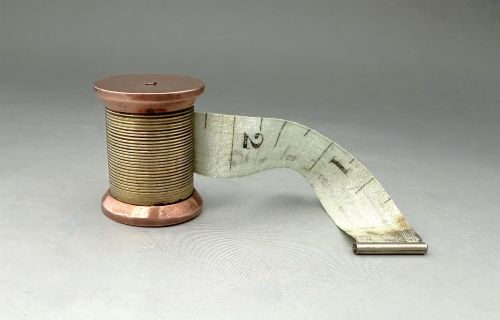
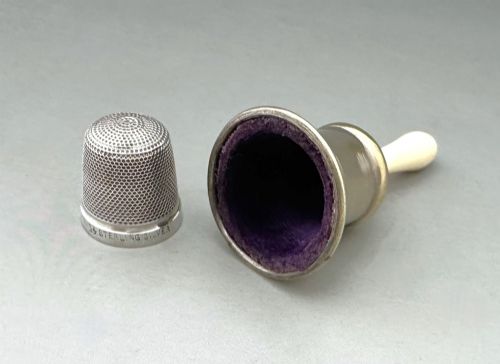
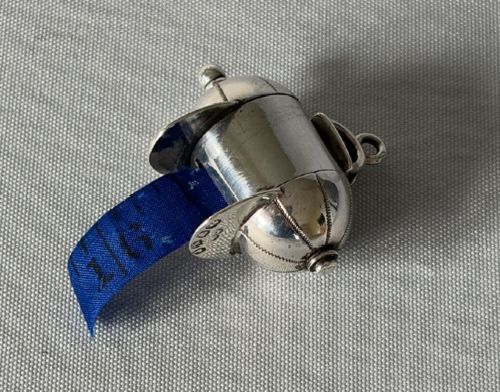
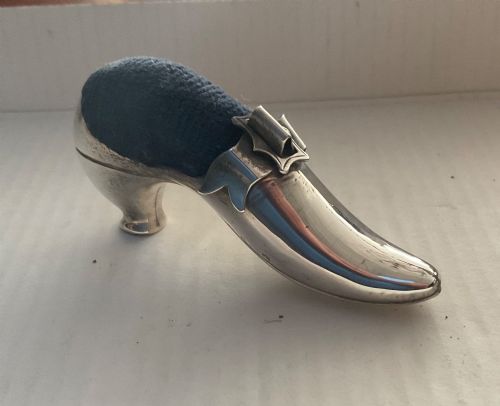
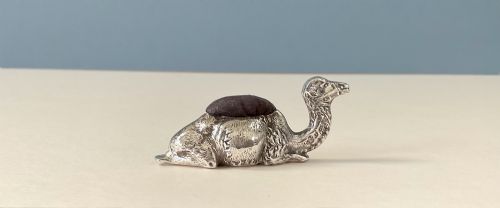
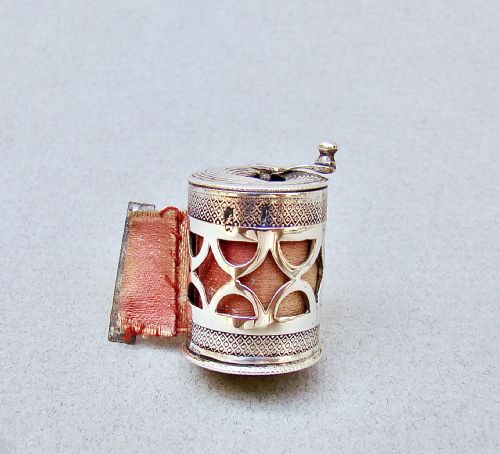
Novelty sewing tools combine practical workroom utility with playful miniature sculpture, taking the form of animals, transport and household items. The pieces on this page span the Victorian, Edwardian and Georgian eras, alongside occasional Regency and George V examples.
How they were made
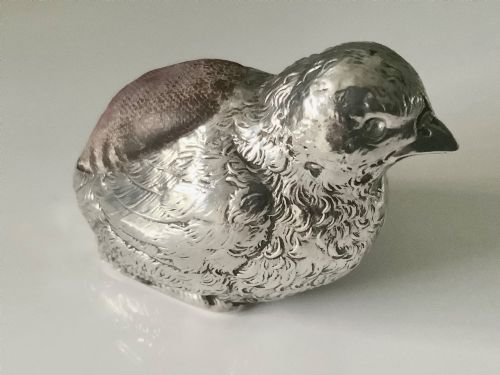
Silversmiths formed these small objects using sterling silver sheet and cast components, often incorporating detailed chasing and engraving to define feathers, fur and wheels. Selected pieces from Austrian makers utilise cold-painted bronze alongside silver work.
The interior cushions rely on traditional textiles including silk, velvet, cotton and fabric packed firmly into the metal frames to secure pins.
Novelty Sewing Tools Retail Price Guide 2026
Typical asking prices for novelty sewing tools among the pieces listed under this phrase on Sellingantiques today, from the lower quarter to the upper quarter. They describe what is for sale here now, not the wider market.
Listings feature sterling silver and cold-painted bronze forms across Victorian, Edwardian, and Georgian periods.
What varies in quality
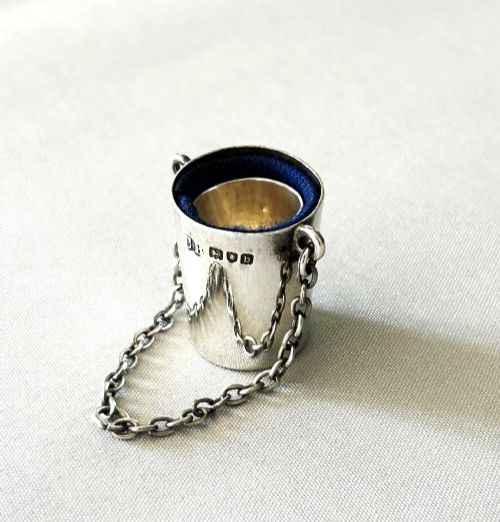
Quality rests upon the crispness of the casting and the sensitivity of the miniature modeling, where superior examples capture realistic postures in animals and precise architectural details in objects like wheelbarrows or railway lamps. The integrity of the original fabric insert and the clarity of hallmarks add significant weight to a piece.
Lighter gauge metal and worn chasing reduce definition, separating ordinary mass-produced novelties from inventive silversmith work.
Adie & Lovekin
The Novelty Sewing Tools Glossary
- Pin Cushion
- A small padded object used for holding pins and needles during sewing work. In novelty forms, these pads are fitted into hollow silver animals or objects.
- Sterling Silver
- A silver alloy containing 92.5 percent silver by mass and 7.5 percent other metals, usually copper. This standard appears across the majority of the silver tools here.
- Cold Painted Bronze
- A method of painting bronze figures with non-heat-set paints, seen on select animal pieces. This technique creates vibrant surface coloration on small figures.
- Chasing
- A metalsmithing technique where a hammer and punches push metal from the front to create raised surface decoration. This creates the texture of fur and feathers on animal designs.
- Hallmark
- A stamp indicating the purity of the metal, the maker and the year of assay. These marks help date pieces accurately to periods like the Edwardian era.
Novelty Sewing Tools: Frequently Asked Questions
What were novelty sewing tools used for?
These pieces served as functional sewing accessories on Victorian and Edwardian dressing tables and workboxes. They kept pins and threads organised while adding a touch of humour or decorative charm to the room.
The animal and object forms provided a tactile way to handle small sewing implements during everyday making and tailoring tasks.
How do I date an antique silver pin cushion?
Dating relies on reading the hallmarks stamped into the silver, which record the assay office, standard and year letter. Stylistic cues such as Edwardian figural realism or Victorian ornamentation also help place a piece.
Comparing the form and manufacturing style to dated examples narrows down the period of origin.
What fabrics are found inside the cushions?
Original interiors typically feature tightly packed cotton or wool stuffing covered in silk, velvet or fabric. These materials held pins firmly without damaging delicate steel points.
Many surviving pieces retain their original textiles, though some have replacement fabric fitted during later care.
How should I care for silver sewing tools?
Silver components require gentle dusting and occasional cleaning with a soft cloth to maintain the metal finish without wearing down fine chasing. Avoid harsh dips that can damage fabric inserts and cold-painted surfaces.
Keep the pieces in stable humidity away from direct sunlight to preserve both the silver and the antique textiles.