





Novelty Paperweights
Novelty paperweights combine practical desk use with imaginative sculptural forms, bringing character and purpose to any workspace.
Novelty Paperweights
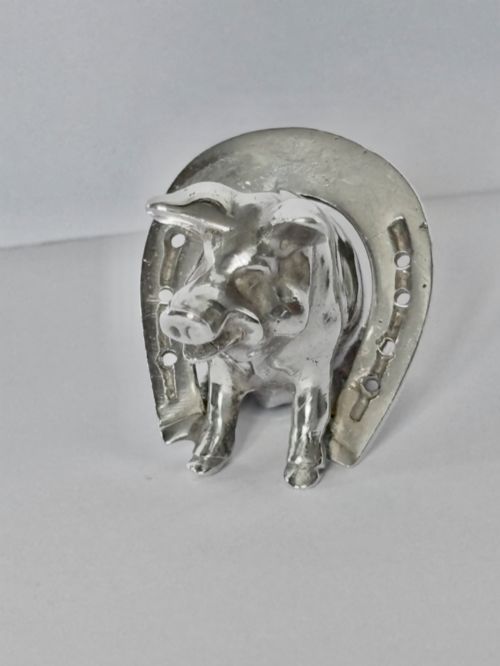
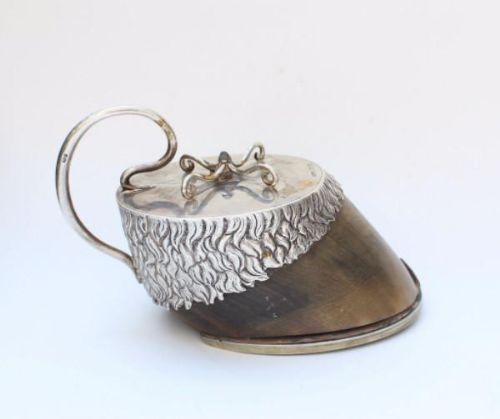
When you search for novelty paperweights, you encounter desk accessories that double as miniature sculptures, taking shapes from animals and objects. These pieces range from desk clips and note holders to cast figures and mounted hoofs, serving both a functional purpose and an aesthetic role.
The selections available here draw on Victorian, Edwardian, and Art Deco styles, showing how desk hardware evolved to include playful or striking designs. A buyer is most likely to meet animal figures, cast metal models, and glass items created to manage correspondence with charm.
Originating across the nineteenth and early twentieth centuries, these objects reflect the Victorian appetite for whimsical desk furniture alongside later streamlined Art Deco forms. Each piece offers a tangible link to historical workspace habits, combining utility with decorative sculpture.
How they were made
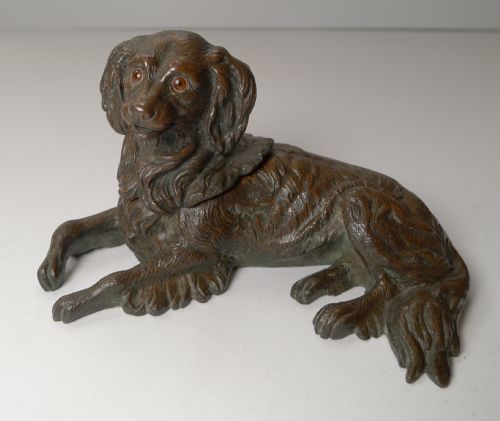
Makers utilised cast bronze, cast iron, and aluminium to shape sturdy sculptural bodies, often adding cold-painted finishes or glass eyes to enhance the realism of animal subjects. These metal techniques allowed workshops to render intricate details such as fur, spurs, and facial expressions with considerable precision.
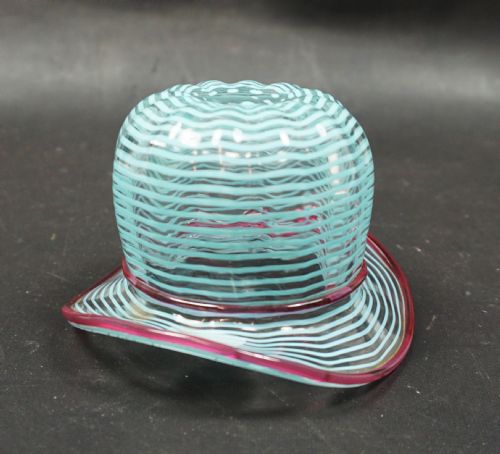
Glass pieces on this page rely on hand-blown techniques and cane decoration, producing items like coloured hats with distinct interior patterns. Other natural materials such as horn and hoof were mounted in sterling silver to create durable desk weights that doubled as trophies or curiosities.
Novelty Paperweights Retail Price Guide 2026
Typical asking prices for novelty paperweights among the pieces listed under this phrase on Sellingantiques today, from the lower quarter to the upper quarter. They describe what is for sale here now, not the wider market.
A nodding dog made of cold-painted spelter stands ready to bob its head in agreement with your paperwork.
What varies in quality
Quality in these desk objects rests upon the crispness of the casting and the retention of original surface treatments like cold-painted colour or silver mounts. Finer examples display meticulous attention to anatomical detail in animal figures or precise cane work within glass items, whereas simpler pieces show softer contours.
The integration of function and form also distinguishes superior items, where mechanical elements like stirrup clips or desk clips operate smoothly while maintaining their sculptural integrity. Materials such as solid sterling silver and heavy bronze elevate a piece above standard cast iron or aluminium alternatives.
The Novelty Paperweights Glossary
- Sterling silver
- A silver alloy containing 92.5 percent pure silver and 7.5 percent other metals, typically copper, used frequently for mounts and structural elements on desk pieces.
- Cold-painted
- A method where enamel or oil paint is applied to unheated metal sculptures, commonly bronze or spelter, to add realistic colour.
- Cane glass
- Glass made by bundling coloured glass rods and fusing them together, then stretching and slicing them to create intricate internal patterns visible in decorative items.
- Stirrup clip
- A spring-loaded desk accessory designed to hold papers securely, styled after equestrian tack and popular during the Edwardian period.
- Spelter
- An alloy of zinc and lead used as a cheaper substitute for bronze in decorative figures, often painted to resemble other metals.
Novelty Paperweights: Frequently Asked Questions
What is a novelty paperweight?
A novelty paperweight is a functional desk accessory shaped like an animal, figure, or familiar object rather than a simple geometric block. These items held down loose sheets while adding personality to Victorian and Edwardian writing desks.
They combine utility with craftsmanship, often taking the form of cast bronze dogs, mounted horse hoofs, or glass hats. Collectors prize them for their sculptural qualities and their connection to historical workspace culture.
How do I identify an Edwardian piece?
Edwardian items date from the reign of King Edward VII between 1901 and 1910, often displaying hallmarks for Birmingham or London silversmiths. These pieces frequently incorporate sterling silver mounts, tortoiseshell, and refined equestrian or domestic animal subjects.
The style leans toward lighter, more graceful interpretations of Victorian forms, reflecting changing tastes in interior decoration and desk accessories. Hallmarks and registration numbers stamped into the metal provide the most reliable dating evidence.
What is Nailsea glass?
Nailsea glass refers to glassware produced at the Nailsea glassworks near Bristol, known for distinctive looped and cane decorations in coloured glass. Artisans embedded fine threads of opaque white or coloured glass into clear or tinted bodies to create patterns.
Items from this tradition often include whimsical shapes like miniature hats made as ornamental pieces or paperweights. The technique creates a layered, translucent effect unique to nineteenth-century glassmaking.