





Novelty Desk Ornament
A novelty desk ornament brings character to a workspace through whimsical forms cast in metal or carved from wood.
Novelty Desk Ornament
A novelty desk ornament takes practical workspace items like inkwells, pin cushions, and paperweights and shapes them into animals, figures, and miniature objects. The pieces appearing in this category span the Victorian, Edwardian, and Art Deco periods, reaching back to the nineteenth century.
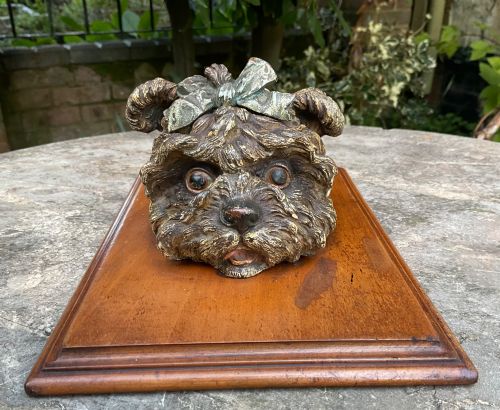
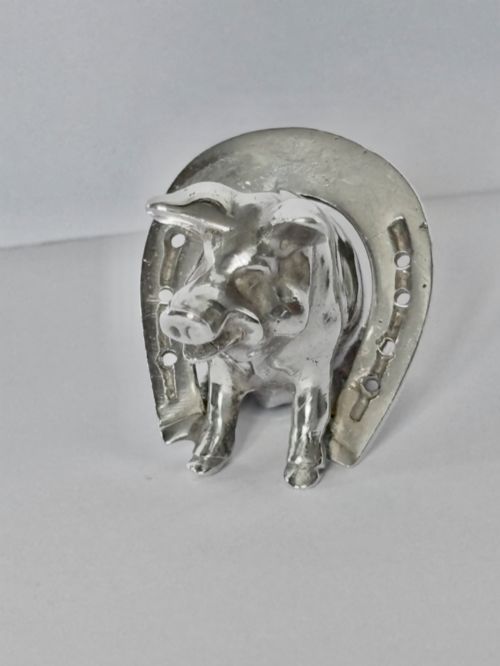
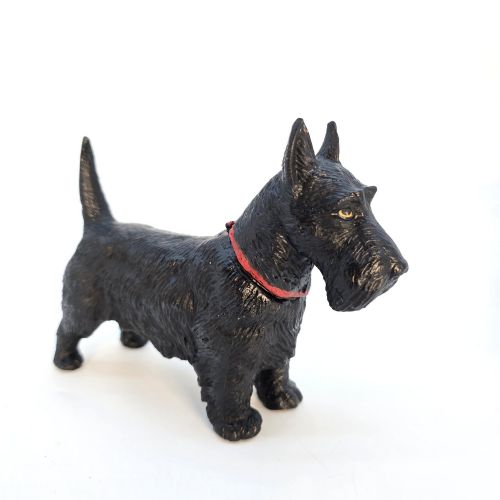
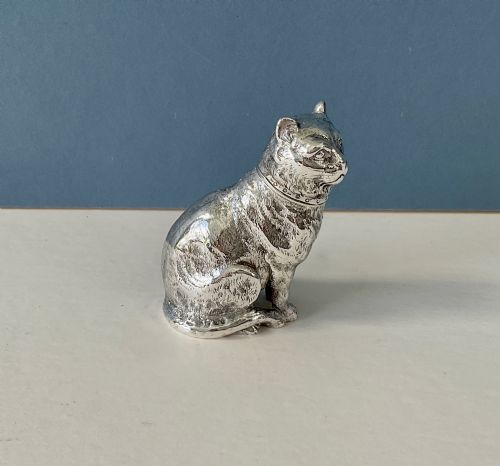
Animal figures dominate the selection, with dogs, owls, birds, and tortoises frequently forming the bodies of inkstands or holding pins. Alongside these creatures sit miniature household items, boots, and mechanical bells designed to sit upon a writing table.
Makers from England, France, and Germany produced these items utilising local trades, ranging from Black Forest wood carvers to silversmiths working in London and Chester.
Materials and Techniques
Foundries cast metals such as bronze, brass, cast iron, and sterling silver into detailed animal shapes, frequently employing cold painting or gilt finishes to add colour. Silver pieces often carry hallmarks indicating the assay office and year of creation.
Carvers shaped wood and bone into Black Forest animal studies, incorporating glass eyes to bring realism to owls and dogs. Stoneware and porcelain also shaped inkwells and desk lamps, glazed and painted by hand.
Novelty Desk Ornament Retail Price Guide 2026
Typical asking prices for novelty desk ornament among the pieces listed under this phrase on Sellingantiques today, from the lower quarter to the upper quarter. They describe what is for sale here now, not the wider market.
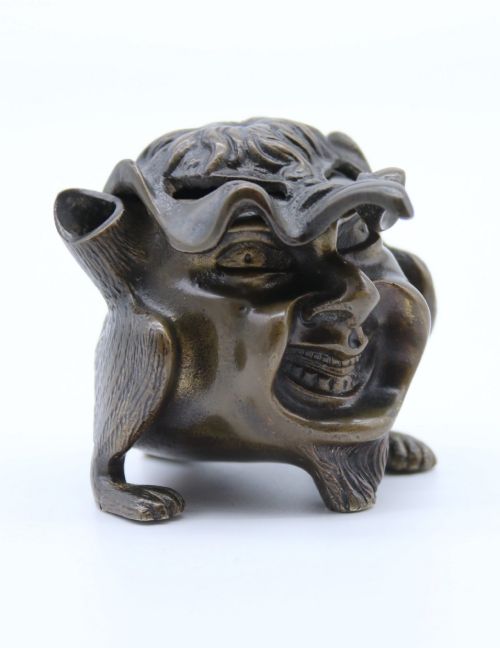
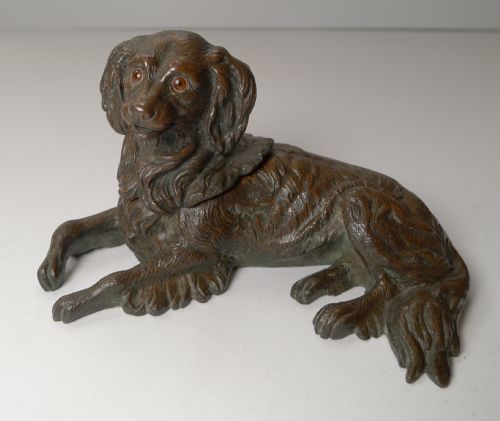
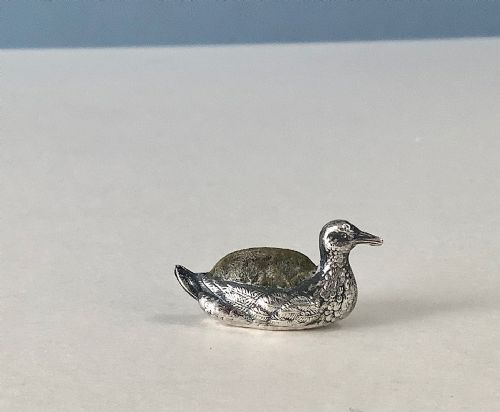
Animal subjects across the selection include owls, dogs, tortoises, ducks, and a frog-like grotesque creature.
Evaluating Execution
Quality rests on the crispness of the casting or carving, where finer examples display sharp feather and fur texture rather than soft, worn details. Original components, such as glass eyes in bronze animals or fitted glass ink inserts, elevate a piece.
The weight of the metal and the complexity of any mechanical action, such as a folding chair or a desk bell, separate standard production items from master works.
The Novelty Desk Ornament Glossary
- Cold painted
- Metal figures decorated with non-fired paint applied over a bronze or spelter base. This technique required careful application by hand.
- Inkwell
- A small container for holding ink on a desk, often integrated into figural animal sculptures during the Victorian period.
- Spelter
- An alloy of zinc and lead used as a cheaper alternative to bronze for casting ornamental figures.
- Pin cushion
- A padded textile element fitted into silver or metal novelty frames shaped as animals or vehicles.
- Black Forest
- Carved wooden items originating from the European region, noted for realistic animal studies utilising walnut and linden wood.
Novelty Desk Ornament: Frequently Asked Questions
What is a novelty desk ornament?
A novelty desk ornament is a functional workspace accessory, such as an inkwell, paperweight, or bell, shaped to resemble an animal, person, or familiar object.
These pieces served practical desks while adding humour or decorative interest to an office or study.
How do I date a metal inkwell?
Dating relies on silver hallmarks, material composition, and stylistic clues from periods like the Victorian or Edwardian eras.
Cast iron and heavy bronze models often date to the nineteenth century, while lighter aluminium pieces point towards the Art Deco period.
Were these items purely decorative?
Most novelty desk accessories served a daily function alongside their decorative form, holding ink, blotting sand, or pins.
Even whimsical figures like dogs or birds typically conceal ink wells, pen wipes, or mechanical desk bells within their construction.
How should I clean silver desk accessories?
Silver pieces require gentle dusting and minimal polishing to preserve hallmarks and any applied patination or cold paintwork.
Abrasive cleaners will strip away the aged surface character accumulated over the decades.