


Norwegian Sterling Silver Pin
These norwegian sterling silver pin examples bring together mid-century modern design and vibrant vitreous enamelling.
Norwegian Sterling Silver Pin
When you search for a norwegian sterling silver pin, you encounter wearable ornaments and small dishes produced across several decades. The selection centres heavily on brooches and small pin or trinket dishes.
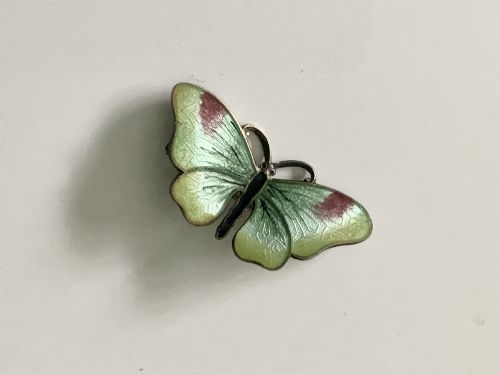
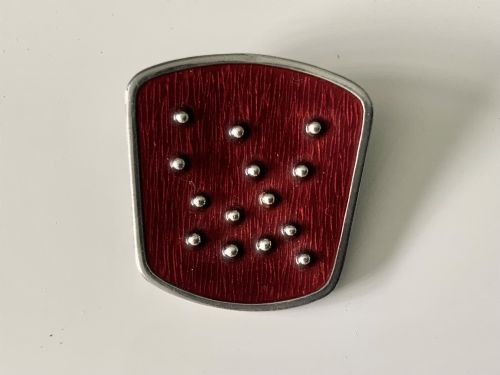
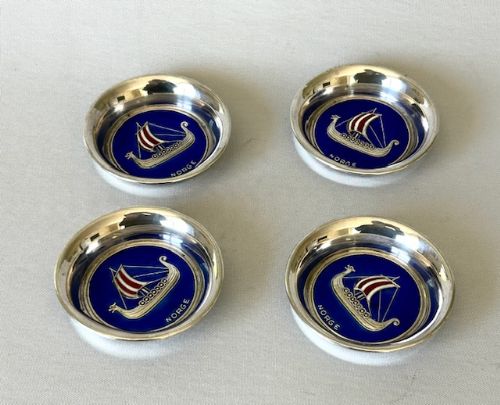
The dominant forms on this page include butterfly motifs and bar brooches, alongside crown designs and small bowls. These objects typically date from the nineteen twenties through to the nineteen sixties.
Scandinavian modern and mid-century modern aesthetics strongly influence the appearance of these pieces. Art Deco and Art Nouveau styling also emerge across the recorded dates.
How they were made
Silversmiths shaped solid sterling silver and standard silver to form the foundations of these brooches and dishes. Artisans then applied vitreous enamel and guilloche enamel decoration to the metallic surfaces.
Enamelling techniques produced vivid colour fields, particularly in red and blue tones on butterfly wings and dish interiors. Hallmarks on pieces such as those by David-Andersen indicate established workshop practices.
What varies in quality
Quality differences across norwegian sterling silver pin items relate to the precision of the guilloche pattern beneath the enamel and the crispness of the silver work. Finer examples display smooth, even enamel surfaces without disruption to the underlying engine-turned detailing.
The complexity of the subject, such as detailed butterfly wings or royal crown motifs, distinguishes standard production from more ambitious workshop output. Maker marks also influence how a piece is regarded by collectors.
The Norwegian Sterling Silver Pin Glossary
- Sterling silver
- A silver alloy containing ninety-two point five percent silver by mass, with the remainder consisting of other metals. This standard provides the durable structural base for these pins and dishes.
- Guilloche enamel
- A decorative technique where a precise mechanical pattern is engraved beneath a translucent layer of enamel. This method creates depth and shifting light effects on the item.
- Vitreous enamel
- A material made by fusing powdered glass to a substrate by firing at high temperature. It forms a smooth, durable and brilliantly coloured coating on the silver.
- Bar brooch
- A slender horizontal pin design popular in mid-century jewellery. These items often feature a central motif or decorative enamel element.
Norwegian Sterling Silver Pin: Frequently Asked Questions
How do I date a norwegian sterling silver pin?
Dating relies on stylistic markers, workshop marks and recorded production periods spanning from the nineteen twenties to the nineteen sixties. Art Deco and Art Nouveau influences suggest earlier decades.
Mid-century modern and Scandinavian modern design characteristics point towards the nineteen forties and nineteen fifties. Maker stamps provide additional chronological reference points.
Were pin dishes used differently from brooches?
Pin dishes and small bowls served as dressing table accessories for holding small items like pins and trinkets. They utilised the same enamelling and silver smithing techniques as wearable pieces.
Brooches functioned strictly as clothing adornments secured with a pin finding on the reverse. Both forms reflect the broader decorative arts output of Scandinavian makers.
How do I care for enamelled silver?
Enamelled silver requires gentle handling to protect the glass coating from impact and scratching. Store items separately away from hard surfaces and moisture.
Clean the metal components cautiously without abrasive substances that might damage the vitreous enamel surface. Avoid submerging vintage pieces in harsh chemical cleaning solutions.