







Nordic Folk Art
Nordic folk art brings the raw, honest utility of Scandinavian country life straight into a modern interior.
Nordic Folk Art
Nordic folk art encompasses utilitarian objects and furniture made across Scandinavia, shaped by long winters and regional resourcefulness. When searching for nordic folk art, buyers encounter everyday domestic items ranging from small treen spoons to large storage chests.
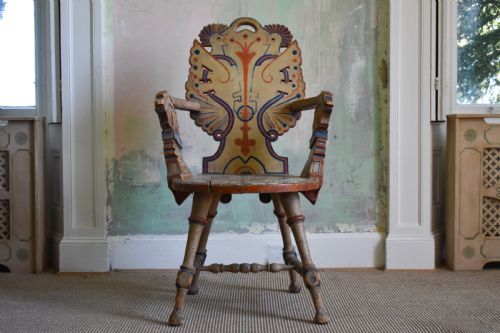
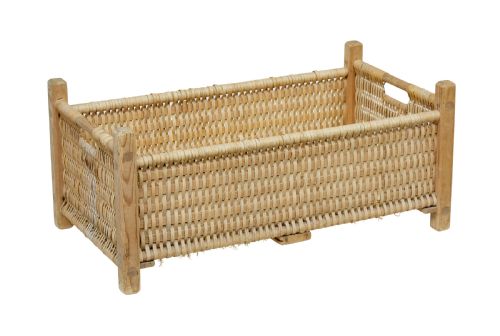
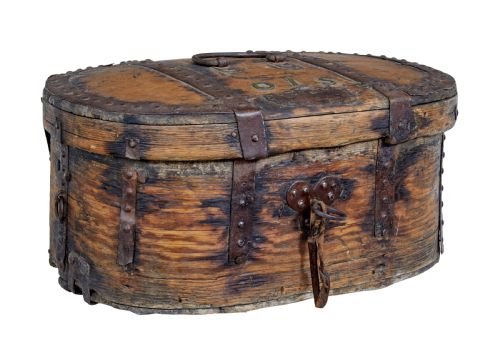
The pieces appearing on this page date principally from the eighteenth and nineteenth centuries, reflecting traditional rural craftsmanship. Painted pine storage boxes, hand-woven baskets, and rustic cupboards form the core of what is available.
Regional variations span from Swedish painted boxes to Finnish wall cupboards and Norwegian carved daggers. These items bridge practical domestic storage with decorative regional expression.
How They Were Made
Makers relied heavily on native softwoods and hardwoods like pine, oak, and birch root, utilising simple hand tools to shape domestic timber. Iron banding and wrought iron fittings reinforced functional items such as heavy storage chests and boxes.
Surfaces were frequently finished with hand-mixed oil or milk paint, often layered to protect the wood and provide decorative colour. Detailed carving, engraving, and weaving techniques elevated basic household goods into enduring cultural artefacts.
Nordic Folk Art Retail Price Guide 2026
Typical asking prices for nordic folk art among the pieces listed under this phrase on Sellingantiques today, from the lower quarter to the upper quarter. They describe what is for sale here now, not the wider market.
A goat horn ice pick reminds us that survival in the Scandinavian snow required tackling frozen waters with handheld ingenuity.
What Varies in Quality
Quality in these pieces rests upon the integrity of the original construction and the survival of early painted surfaces. Unaltered, patinated timber surfaces command greater attention than pieces stripped back to bare wood or heavily restored.
The crispness of hand-carved details on items like spoons, daggers, and boxes distinguishes skilled regional work from basic utility pieces. Proportions and the confidence of the maker's brushwork in painted chests and cupboards define the upper tier of the range.
The Nordic Folk Art Glossary
- Treen
- Small, functional wooden household objects such as spoons, bowls, and boxes carved by hand. These items display the daily turning and carving skills of rural makers.
- Rya
- A traditional Scandinavian knotted pile rug historically used for warmth during harsh winters. Early examples feature distinct regional patterns and heavy wool construction.
- Splint
- Thin strips of wood peeled from logs and woven to create flexible, durable baskets and storage containers. This technique allowed makers to utilise local forest resources efficiently.
- Pollard birch
- Timber harvested from trees that were cut back to promote dense branching, creating highly figured grain patterns. Makers prized this wood for small luxury items like tobacco boxes.
Nordic Folk Art: Frequently Asked Questions
What is nordic folk art?
Nordic folk art comprises handmade domestic items, furniture, and textiles created by rural communities in Sweden, Norway, Finland, and Denmark. These objects reflect traditional regional aesthetics and practical daily needs.
Items range from large painted pine cupboards and armchairs to small carved spoons and woven baskets.
How were these pieces used?
Most pieces served strictly utilitarian purposes in rural homes, functioning as storage for textiles, grain, tobacco, or documents. Baskets handled farm harvests, while cupboards and chests secured household valuables.
Decorative painted finishes and carvings added identity and warmth to simple domestic interiors.
How do I live with nordic folk art?
These pieces integrate easily into contemporary spaces by adding texture, warmth, and a sense of history. Painted pine chests and cupboards work well as storage focal points in living areas or hallways.
Smaller treen objects, woven baskets, and boxes sit comfortably on shelves or tabletops without demanding large amounts of space.
How do I tell periods apart?
Earlier eighteenth-century pieces often feature heavier oak construction, iron reinforcement, and Baroque structural influences. Nineteenth-century examples more commonly employ painted pine, brighter pigments, and refined vernacular forms.
Hand-tool marks, original dated inscriptions, and shifts in regional painting styles help narrow down the date of manufacture.