




Nomadic Tribal Sofreh
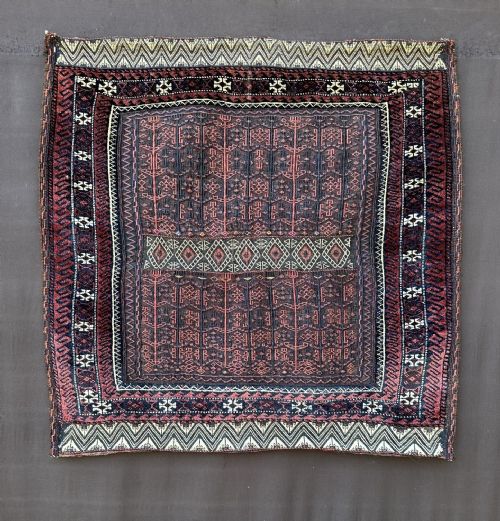
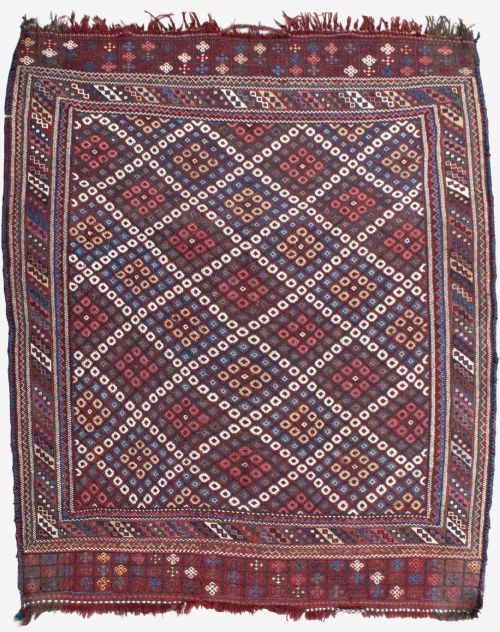
These nomadic tribal sofreh are traditional woven cloths created by tribal weavers for preparing, serving, and sharing communal meals.
Nomadic Tribal Sofreh
When you search for a nomadic tribal sofreh, you are looking at utilitarian flatweaves and kilims produced by various tribal groups across Persia and Afghanistan. These textiles served specific domestic purposes within pastoral households, functioning primarily as bread or dining cloths.
The pieces you meet on this page originate from tribal regions including Kerman, Khorassan, Luristan, and South-West Afghanistan. They date from the late nineteenth century through to the early decades of the twentieth century, reflecting the heritage of groups such as the Afshar, Baluch, Luri-Bakhtiari, and Timuri tribes.
Most examples function as flatweave rugs, kilim rugs, or wall hanging displays. Their distinct formats mirror the practical demands of nomadic life, where textiles needed to be durable yet portable for daily use.
Materials and construction
The construction of a nomadic tribal sofreh relies on traditional flatweave and kilim techniques executed by tribal artisans. Wool forms the primary structural material, often paired with cotton foundations and occasional uses of camel hair.
Weavers utilised natural dyes to colour the wool, producing deep tones that define the visual character of these textiles. The absence of a pile distinguishes them from standard carpets, resulting in a firm, flat fabric suited to spreading on the ground for meals.
Nomadic Tribal Sofreh Retail Price Guide 2026
Typical asking prices for nomadic tribal sofreh among the pieces listed under this phrase on Sellingantiques today, from the lower quarter to the upper quarter. They describe what is for sale here now, not the wider market.
Some dining sofreh doubled as portable dining tables for families constantly on the move.
Evaluating quality and origin
The distinction between standard examples and finer pieces rests in the clarity of the weave and the saturation of the natural dyes. Tightly beaten flatweave structures indicate careful handiwork by experienced tribal weavers.
Provenance also influences the character of a nomadic tribal sofreh, with specific regional groups such as the Afshar or Luri-Bakhtiari producing distinct motifs and colour palettes. The integrity of the original edges and the complexity of the tribal design determine the standing of the piece.
The Nomadic Tribal Sofreh Glossary
- Sofreh
- A woven cloth used traditionally for spreading on the ground during meals or for bread making. These utilitarian textiles reflect the domestic customs of nomadic societies.
- Flatweave
- A textile produced without a knotted pile, created by interweaving warp and weft threads directly. This technique yields a thin, durable fabric characteristic of kilims.
- Kilim
- A pileless rug or hanging made using tapestry weaving techniques. They often feature geometric patterns derived from tribal traditions.
- Natural dyes
- Colourants derived from plants, insects, and minerals rather than synthetic compounds. Their use produces nuanced shades that age with a characteristic patina.
- Tribal
- Pertaining to distinct nomadic or semi-nomadic groups living outside settled urban centres. Their textiles often incorporate regional motifs passed down through generations.
Nomadic Tribal Sofreh: Frequently Asked Questions
What is a nomadic tribal sofreh used for?
These textiles served practical roles within nomadic households as communal eating cloths or surfaces for kneading and preparing bread. Families gathered around them for daily meals.
Today, collectors primarily display them as flatweave rugs on floors or as wall hangings to appreciate their geometric tribal patterns.
How do I care for an antique sofreh?
Protect the wool and natural dyes by keeping the textile away from direct sunlight, which can fade the colours over time. Gentle vacuuming without a beater bar removes surface dust safely.
For thorough cleaning, consult a specialist in antique oriental textiles rather than attempting domestic washing.
Where were these textiles made?
The pieces originate from tribal regions across Persia and the borderlands of Afghanistan. Specific groups such as the Afshar, Baluch, Luri-Bakhtiari, and Timuri tribes produced them.
Each region developed particular weaving structures and dye palettes that connect the textile to its origin.
How can I tell the age of a sofreh?
Age is assessed through the materials, particularly the use of handspun wool and early natural dyes. Structural characteristics and regional attribution also provide reliable indicators of the period.
Most examples date from the late nineteenth century to the early twentieth century.