



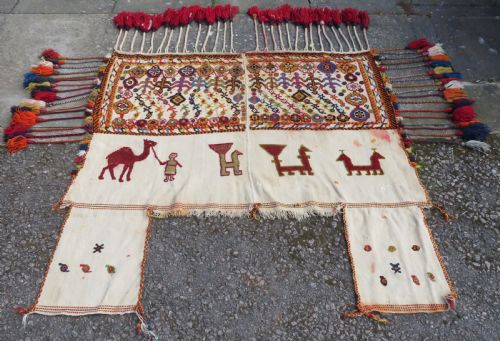
Nomadic Horse Trapping
A nomadic horse trapping is a textile of high tribal artistry, woven or felted by pastoral communities to adorn animals for ceremonies and journeys.
Nomadic Horse Trapping
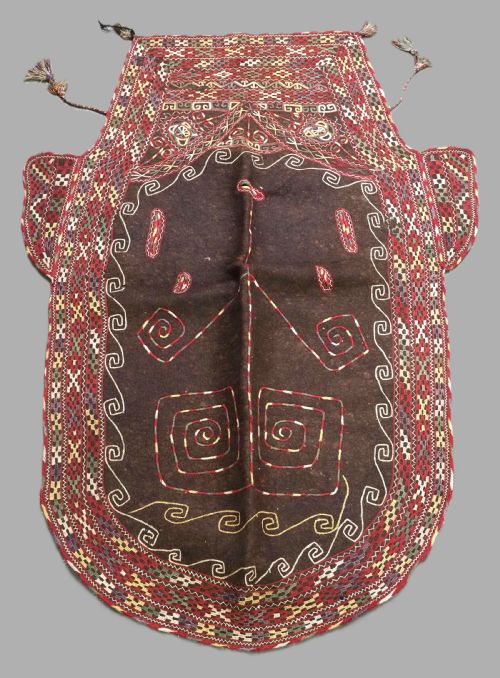
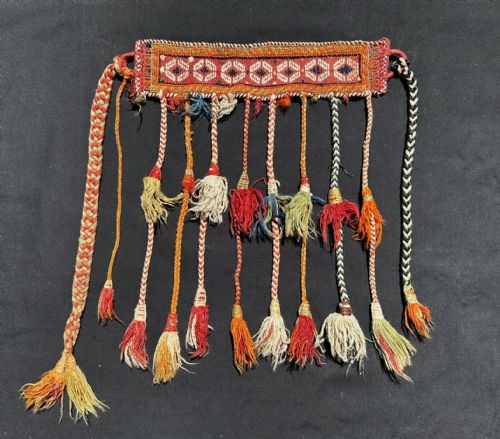
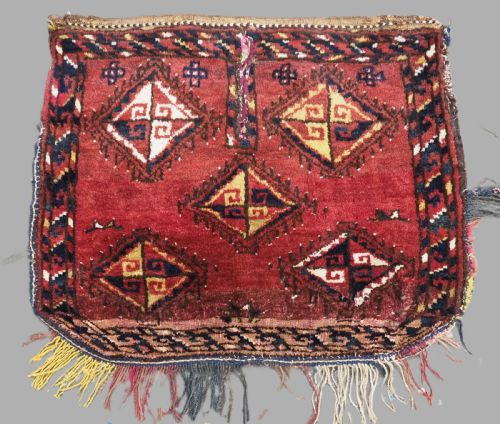
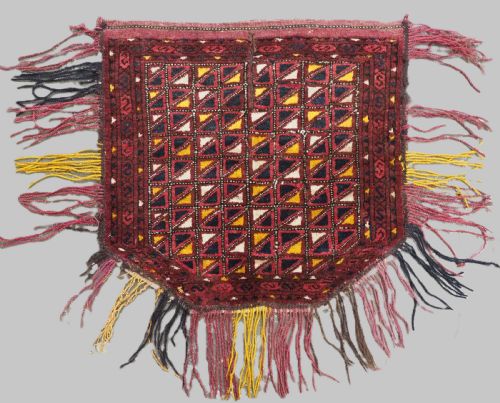
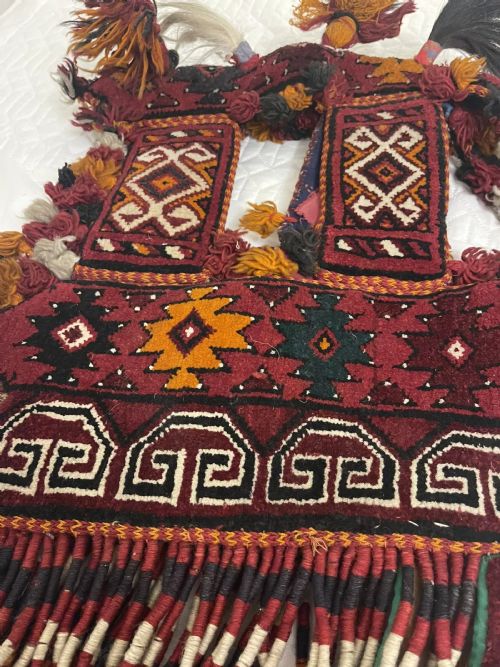
A nomadic horse trapping represents the fibre arts of pastoral groups from Central Asia and Persia, created as ceremonial blankets, saddle covers, and headdresses. These textiles served both decorative and symbolic functions within tribal life, often marking important occasions such as weddings.
The versions most commonly met on this page date from the turn of the twentieth century, specifically around eighteen ninety to nineteen twenty. They originate from regions associated with Turkmen, Qashqai, and Uzbek makers.
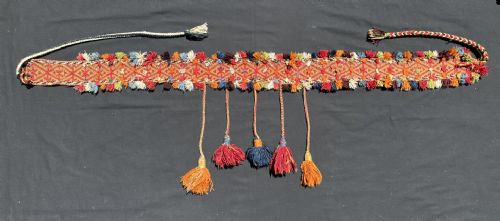
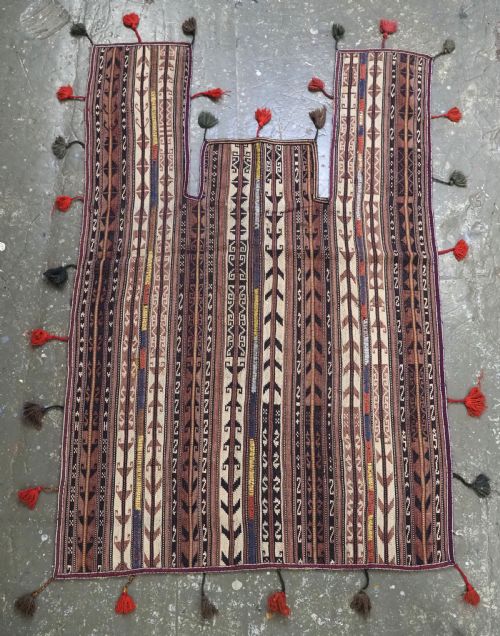
Forms include large horse blankets, saddle rugs, and decorative neck garments designed for ceremonial use. Each piece reflects the specific visual vocabulary and cultural heritage of the tribe that produced it.
Materials and construction
Makers utilised wool, cotton, and felted wool as the primary foundations for these textiles. Natural dyes provided the characteristic colour palette found across the pieces.
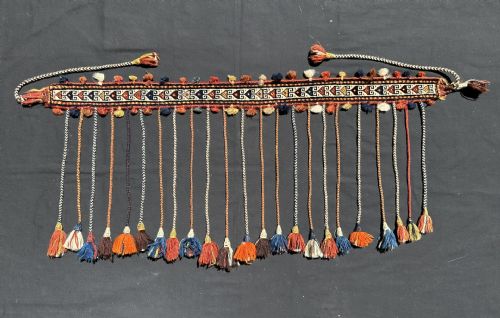
Surface decoration frequently involved cotton thread and silk thread embroidery applied to heavy wool or felt bases. Finished items often retained original tassels and structural elements integral to their tribal use.
Nomadic Horse Trapping Retail Price Guide 2026
Typical asking prices for nomadic horse trapping among the pieces listed under this phrase on Sellingantiques today, from the lower quarter to the upper quarter. They describe what is for sale here now, not the wider market.
Listings feature wool, cotton, and felted wool, decorated with silk and cotton thread using natural dyes.
Distinctions in quality
Quality in a nomadic horse trapping depends upon the fineness of the wool and the complexity of the textile construction. Dense felt foundations and secure stitching separate finer examples from simpler work.
The preservation of original elements, such as tassels and decorative threadwork, contributes significantly to the integrity of the piece. Clarity of design within Persian tribal and Turkmen traditions also indicates higher execution.
The Nomadic Horse Trapping Glossary
- Felted wool
- Wool fibres that have been matted, condensed, and pressed together into a sturdy fabric without weaving. This material forms the durable base for many ceremonial blankets.
- Saddle cover
- A textile designed to fit over an animal riding apparatus. These items balance practical protection with decorative tribal display.
- Natural dye
- Colouring matter derived from plants, insects, or minerals rather than synthetic compounds. These dyes produce the muted, harmonious tones seen in older tribal work.
- Ceremonial item
- An object created for specific rituals, celebrations, or communal events rather than everyday utilitarian labour. Such pieces often display more elaborate ornamentation.
- Tribal textile
- A piece of fabric art produced by a distinct ethnic group following traditional methods and patterns. These items transmit cultural identity across generations.
Nomadic Horse Trapping: Frequently Asked Questions
What is a nomadic horse trapping?
A nomadic horse trapping is a textile created by pastoral groups in regions such as Central Asia and Persia to adorn animals during ceremonies and migrations. These pieces include blankets, saddle covers, and headdresses.
They reflect the traditional weaving and embroidery techniques of specific tribes, utilising local materials like wool and natural dyes.
How were these trappings used?
These items were placed upon horses, camels, and other riding animals for ceremonial processions, weddings, and important community gatherings. They served to display the status and artistry of the family or tribe.
Many examples feature structural additions like original tassels that indicate how they were secured and displayed on the animal.
How do I care for a textile trapping?
Living with these antique textiles requires protecting them from direct sunlight and excessive moisture to preserve the wool and natural dyes. Gentle vacuuming through a mesh screen helps manage dust.
Displaying them securely on walls or keeping them on flat, stable surfaces prevents structural strain on the historical fabric.
How are different tribal styles identified?
Tribal styles are recognised through distinct patterns, colour combinations, and structural methods associated with specific groups like the Yomut, Ersari, and Qashqai. Each region developed its own visual language.
Examining the base materials, such as felted wool versus woven foundations, further clarifies the geographic and cultural origin of the piece.