


Nomadic Floor Rug
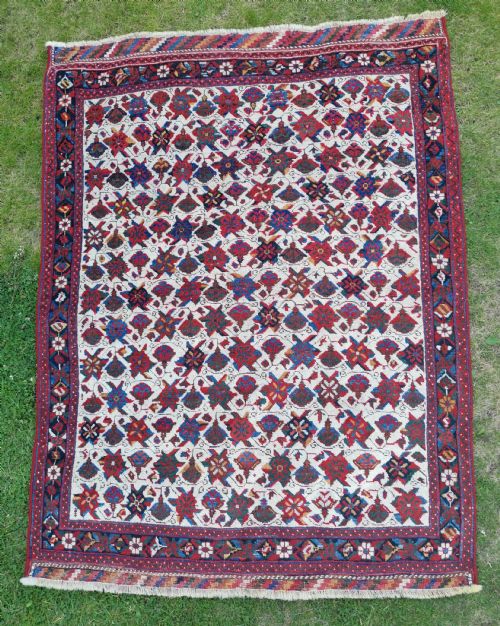
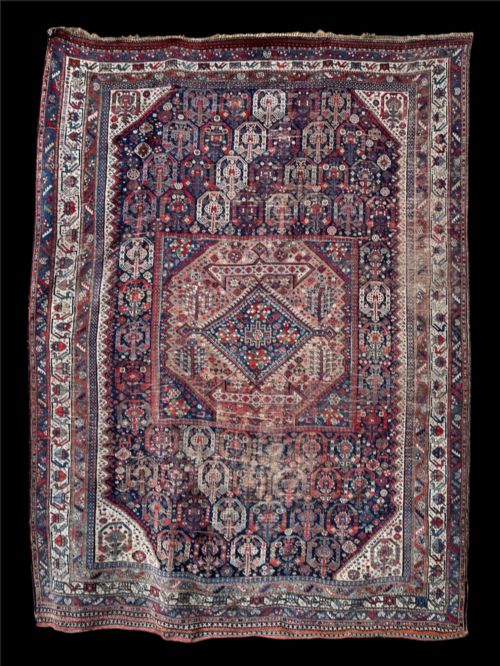
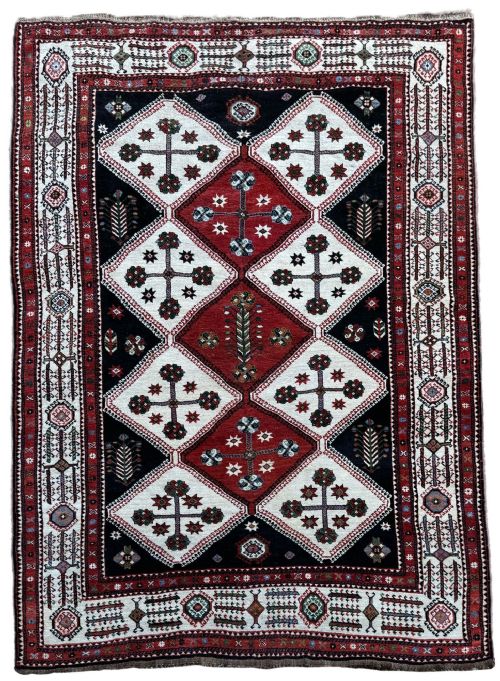
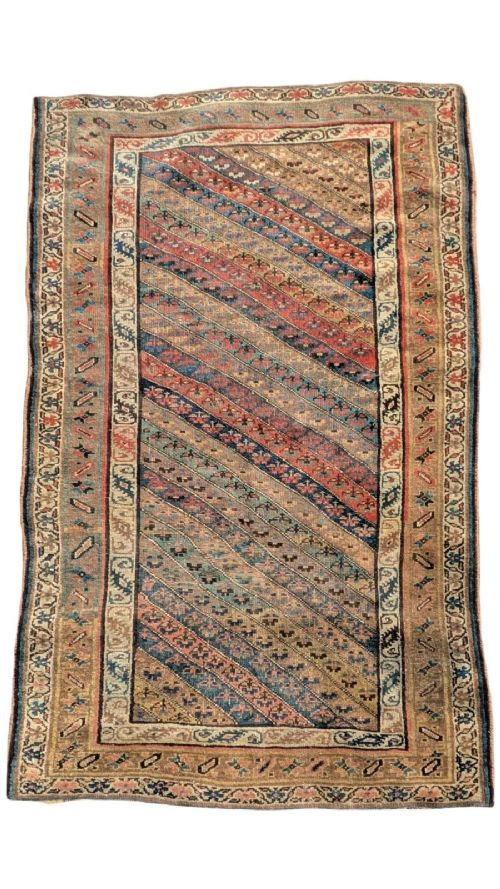
When buying a nomadic floor rug, you are choosing a woven piece of tribal history made by hand across Persia, the Caucasus and Central Asia.
Nomadic Floor Rug
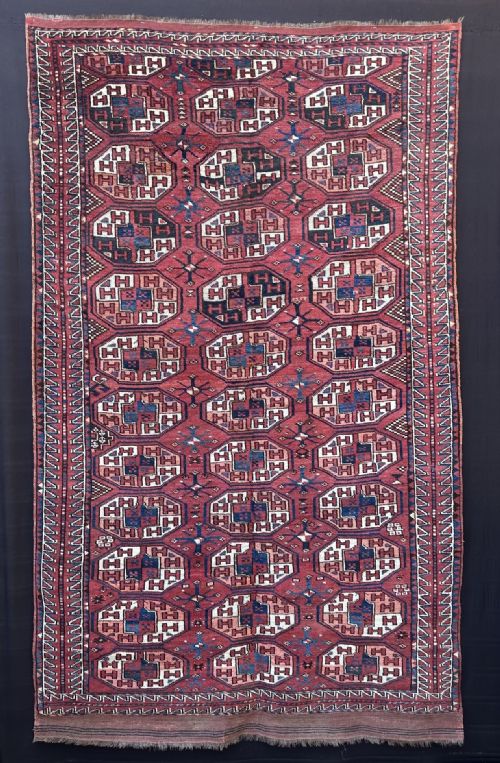
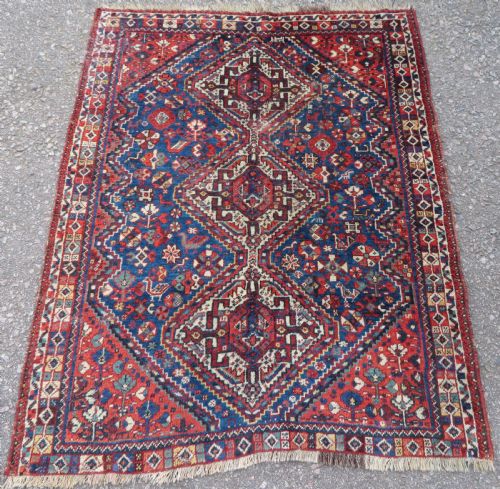
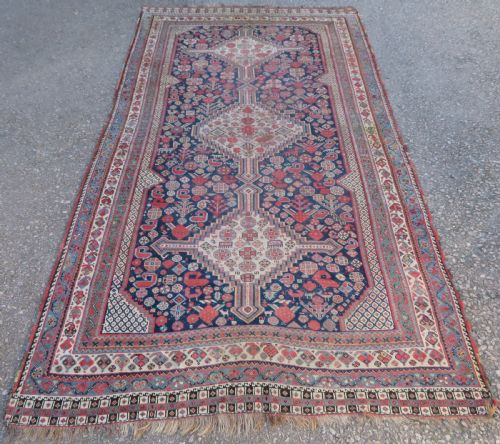
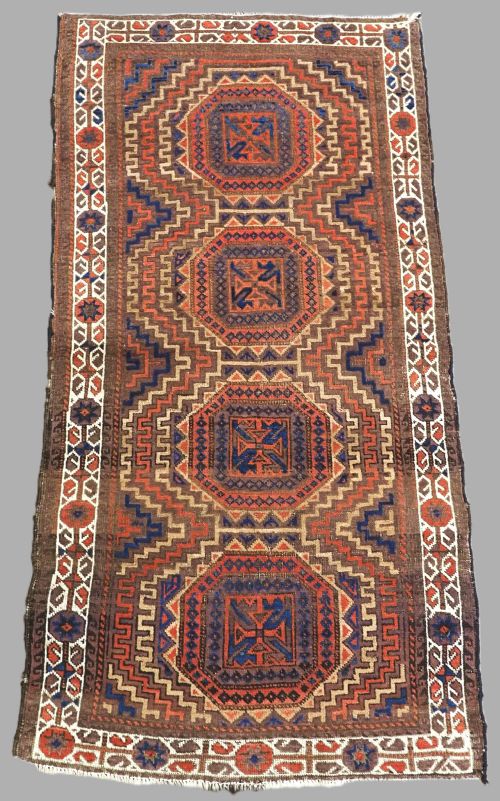
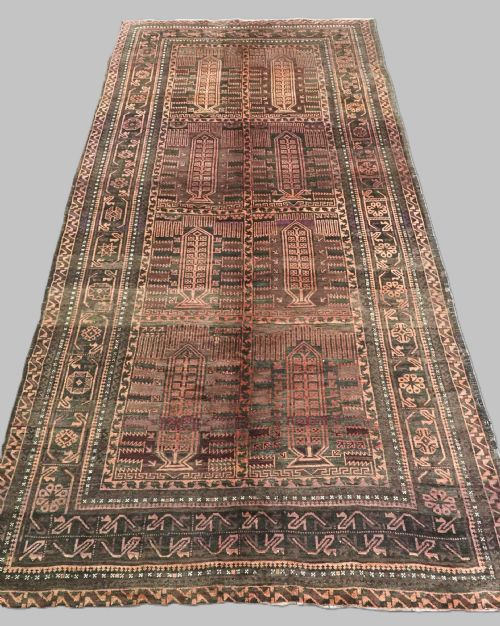
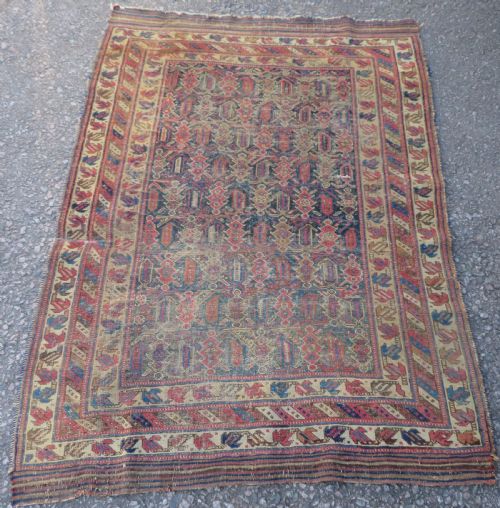
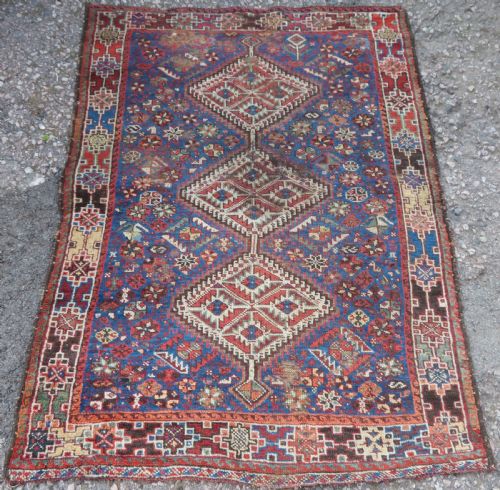
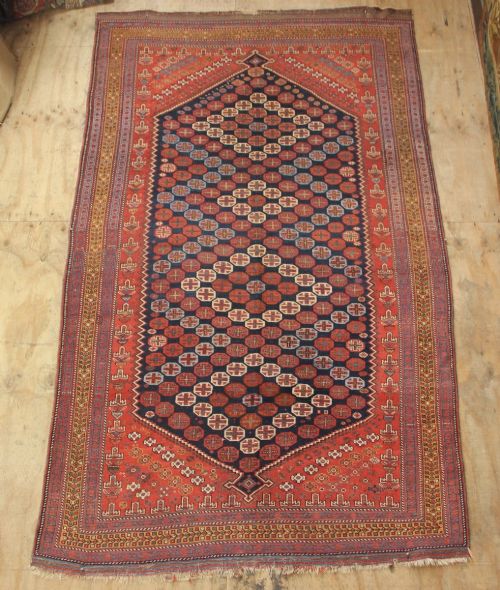
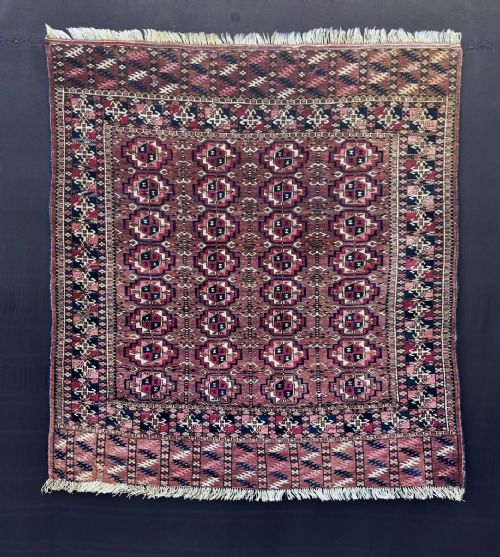
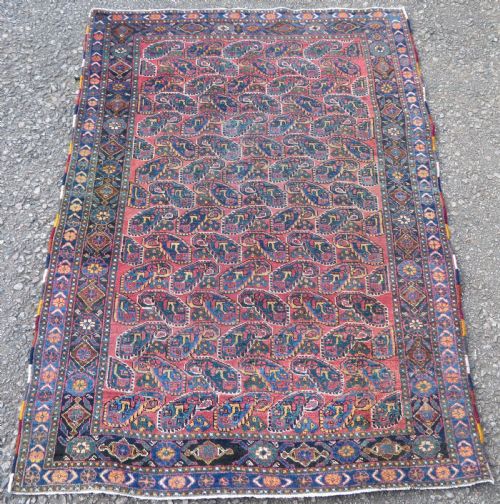
The most common examples met on this page are Persian tribal rugs and Central Asian pieces displaying traditional motifs like guls, medallions and geometric field patterns. Weavers produced these floor coverings for daily domestic use, travel and ceremonial purposes rather than for court commissions.
Forms vary from compact area rugs to large carpet formats, alongside flat-weave kilims and specialised formats such as wedding rugs and saddlebags. Each piece reflects the specific tribal identity and regional weaving traditions of its makers.
Evaluating quality and execution
Quality in these textiles rests upon the density of the weave, the handling of the hand-spun wool and the complexity of the tribal design. Tighter knotting and finer wool preparation distinguish the more accomplished weaving from simpler utilitarian items.
The depth and consistency of natural dye colours also separate better examples, showing subtle abrash where dye batches shift naturally across the field. Strong structural integrity in the foundation wool and secure selvedges mark the distinction between everyday items and superior survivals.
Nomadic Floor Rug Retail Price Guide 2026
Typical asking prices for nomadic floor rug among the pieces listed under this phrase on Sellingantiques today, from the lower quarter to the upper quarter. They describe what is for sale here now, not the wider market.
Listings show pieces spanning from the nineteenth century into the 1940s, utilising wool, cotton, goat hair and natural dyes across tribal forms.
The Nomadic Floor Rug Glossary
- Gul
- A repeating octagonal medallion motif frequently found in Turkmen, Baluch and Central Asian tribal rugs. This design acts as a primary emblem of tribal identification.
- Abrash
- A natural variation in colour shading caused by shifts in hand-spun wool dye batches over time. This characteristic confirms the use of traditional dyeing methods.
- Kilim
- A flat-woven carpet or rug produced without a pile by tightly interweaving warp and weft threads. These textiles often serve as lighter floor coverings or tent furnishings.
- Selvedge
- The finished side edges of a rug formed by wrapping the outermost warp threads. Secure selvedges protect the textile from fraying during daily use on the floor.
- Kelleh
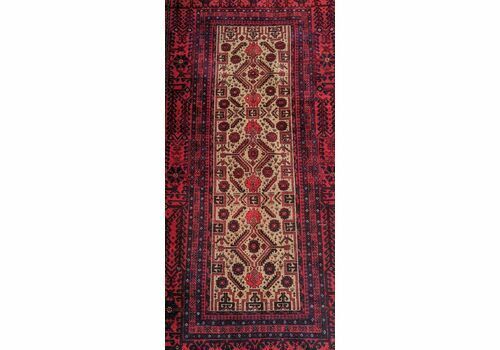
- A long, narrow format of carpet traditionally used in Persian domestic spaces. This rectangular shape fits specific architectural layouts within traditional tents and homes.
Nomadic Floor Rug: Frequently Asked Questions
How do I clean an old tribal rug?
Gentle surface cleaning and regular light vacuuming without a rotating brush help maintain wool pile. Professional specialist cleaning is necessary for deep washing to protect the natural dyes.
Avoid harsh chemical detergents and excessive water immersion, which can damage hand-spun wool foundations and cause dye migration.
Are these rugs suitable for heavy foot traffic?
Many of these pieces were constructed for daily utilitarian floor use by nomadic communities, utilising durable wool and sturdy knotting. Placing a quality underlay beneath the rug helps absorb impact and prevents slipping on hard floors.
Lighter flat-weave kilims or delicate antique formats benefit from placement in lower-traffic areas to preserve their historic structure.
How can I tell different tribal designs apart?
Tribal designs often rely on specific geometric vocabularies, such as the octagonal guls of Turkmen groups or the intricate field medallions of Qashqai and Khamseh weavers. Colour palettes, including deep reds, indigos and earthy browns, also offer clues to regional origins.
Consulting structural details like warps, wefts and side finishes helps connect a piece to its specific tribal provenance.
What is the difference between a rug and a main carpet?
Main carpets are larger room-sized textiles woven for central floor spaces within a tent or dwelling, requiring extended time and multiple weavers. Rugs and smaller format pieces serve more portable functions, including doorway hangings, bedding covers or saddle transport.
Both categories share traditional tribal motifs, but their scale reflects their original domestic purpose.