


Nineteenth Century Watercolour Picture
A nineteenth century watercolour picture brings the atmospheric landscapes and intimate domestic scenes of the Victorian era directly onto a wall.
Nineteenth Century Watercolour Picture
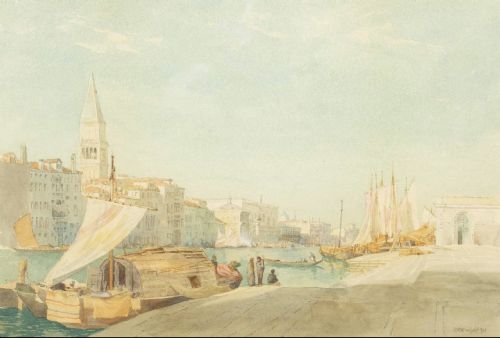
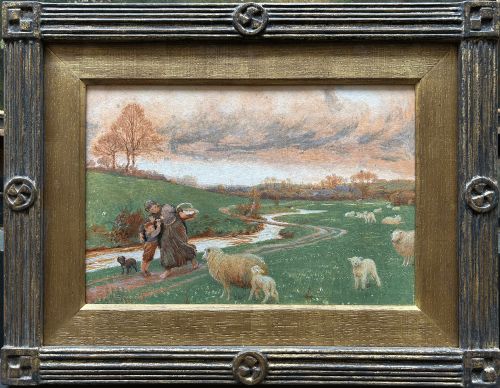
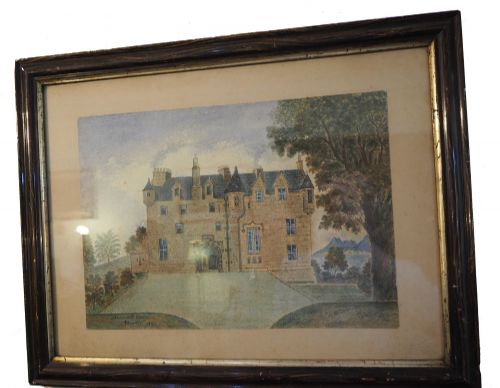
A nineteenth century watercolour picture captures subjects ranging from sweeping Venetian canals and Welsh river estuaries to quiet English village streets and pastoral countryside. These works reflect the diverse artistic output of the 19th Century, encompassing Victorian pastoral scenes, sporting subjects, and Romantic landscapes executed by both named artists and the broader English School.
Buyers examining this selection will encounter varied formats including framed waterpaintings, detailed portraits on card, and marine seascriptions depicting barque ships. Many pieces bear specific regional connections, recording locations from Yorkshire and Scotland to Italian lakes and the Norfolk coast.
The prevailing aesthetic draws on Victorian British Impressionism and the Idyllic School, prioritising natural light and tonal harmony over rigid academic formality. These watercolours survive in their original frames, often accented with gold leaf and glass protection.
Materials and Technique
Artists of this period applied watercolour pigment onto prepared surfaces of paper or card, utilising the natural reflectivity of the white ground to impart luminosity to skies and water. Pigments were bound with water-soluble agents, allowing for delicate washes alongside sharp, opaque details.
Framing typically involved wood mouldings finished with gold leaf or gilt, paired with glass to shield the fragile water-based pigments from environmental moisture and atmospheric dust.
Frogs engage in spirited combat on silk, proving that even Victorian animal painters enjoyed a theatrical battle.
Assessing Quality and Execution
Superior examples demonstrate confident brushwork and precise control over pigment density, whereas lesser pieces rely on stiff, formulaic application without atmospheric depth. The handling of light, particularly in landscape and marine subjects, separates accomplished hands from routine topographical recording.
The preservation of the paper support and the vibrancy of the original pigments heavily influence overall standing. Works that retain their original gilt wood frames and clear provenance maintain greater integrity within the historical record.
Richard Henry Wright·Frederick Walker·Cornelius Pearson·Basil Nightingale·Robert Winchester Fraser·Harry Bright·Frederick William Hattersley·Eloise Harriet Stannard·George Kilburne·Linnie Watt·Henry Birtles·Arthur Claude Strachan·William Powell Frith·Samuel John Milton Brown·Tom Dudley·Belisario Gioja·Frank Saltfleet·Harold Lawes·Arthur Anderson Fraser·Robert Thorne Waite
The Nineteenth Century Watercolour Picture Glossary
- Watercolour
- A painting method in which the paints are made of pigments suspended in a water-based solution. This medium allows for translucent washes of colour.
- Gilt Wood
- Wood that has been treated with a thin layer of gold leaf or gold paint. It provides an ornate and protective border for works on paper.
- English School
- A classification for artists working within England during a particular period. It groups together practitioners sharing similar stylistic influences.
- Card
- A thick, rigid paper stock utilised as a drawing or painting support. It offers greater durability than standard thin paper sheets.
Nineteenth Century Watercolour Picture: Frequently Asked Questions
How should I hang a nineteenth century watercolour picture?
Keep these works away from direct sunlight to prevent the pigments from fading over time. Indirect natural light suits them best.
Ensure they hang on interior walls where humidity and temperature remain stable to protect both the paper and the wooden frame.
Are these paintings signed by the artists?
Many pieces carry the signature or monogram of the creator, either within the painted composition or on the original mount. Some bear accompanying dates.
Works originating from the broader English School may remain unsigned while still exhibiting distinct regional styles and period characteristics.
What subjects are most common?
Landscapes and pastoral scenes dominate the selection, capturing rural life, coastal waters, and architectural views across Britain and continental Europe.
Other recurring themes include sporting events, botanical studies, and intimate domestic interiors reflecting Victorian tastes.
How do I identify the period?
Stylistic markers such as Victorian aesthetic preferences, clothing styles in portraits, and specific framing techniques point directly to the nineteenth century.
Inscribed dates, artist biography records, and traditional framing methods further confirm the era of production.