








Nineteenth Century Table Centrepiece
A nineteenth century table centrepiece brings a grand focal point to any dining setting, uniting porcelain, bronze and silver plate in elaborate decorative displays.
Nineteenth Century Table Centrepiece
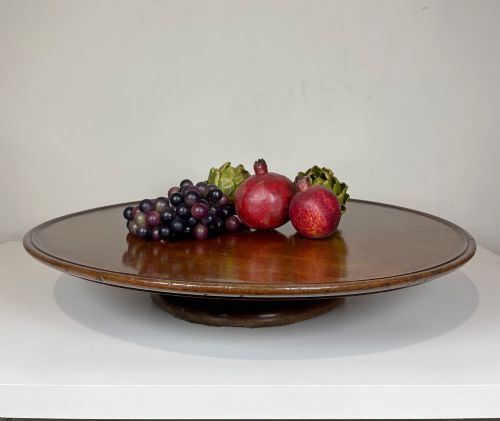
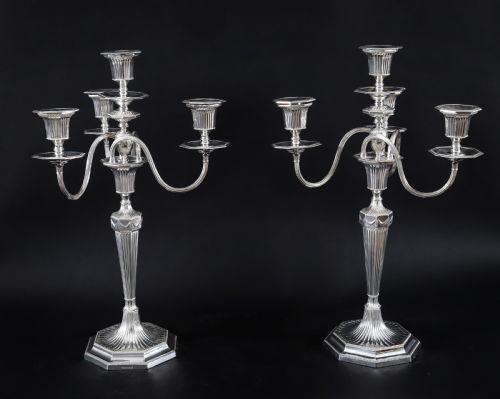
When searching for a nineteenth century table centrepiece, you encounter an array of grand dining table decorations, from elaborate porcelain bowls and tazzas to multi-branch candelabra and garnitures. These items served as the centre of attention for formal dining tables, designed to impress guests during Victorian and continental banquets.
The pieces on this page span the entirety of the nineteenth century, drawing heavily on French Regence, Rococo Revival, and Empire styles. You will frequently find matching pairs of candelabra and large bowls incorporating cherubs, crystal, and ornate metalwork.
What Varies in Quality
The refinement of the casting and the crispness of the chasing separate standard items from exceptional ones in gilt bronze and ormolu. Superior pieces display deep, detailed relief work on figures such as cherubs and botanical motifs.
Porcelain components demonstrate quality through hand-painted precision and the clarity of the glaze, particularly in pieces originating from factories like Sitzendorf, Dresden, and Samson. The weight and stability of the supporting metal base also indicate the original investment in manufacture.
Nineteenth Century Table Centrepiece Retail Price Guide 2026
Typical asking prices for nineteenth century table centrepiece among the pieces listed under this phrase on Sellingantiques today, from the lower quarter to the upper quarter. They describe what is for sale here now, not the wider market.
Cherubs appear with remarkable persistence to hold up your candles.
Hawksworth Eyre·Lerolle Fres·Sitzendorf Porcelain·Samson Porcelain·Elkington·German Dresden
The Nineteenth Century Table Centrepiece Glossary
- Ormolu
- Gilded bronze, where a layer of gold amalgam is applied to a bronze base. This technique creates a rich, warm golden surface finish popular in French decorative arts.
- Candelabra
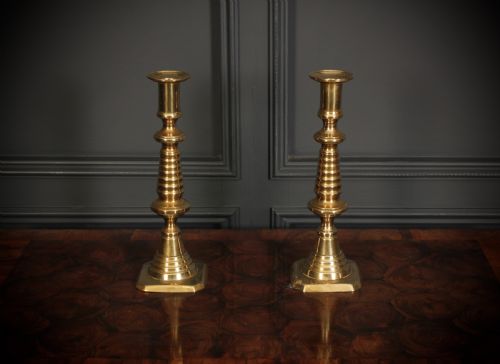
- A branched candlestick designed to hold multiple candles. These often form part of a larger table garniture.
- Tazza
- An ornamental shallow bowl or cup mounted on a stem and foot. They were frequently utilised for displaying fruit or sweetmeats on the dining table.
- Garniture
- A set of matching decorative objects for a table or mantelpiece, typically consisting of a central piece flanked by two matching vases or candelabra.
- Silver Plate
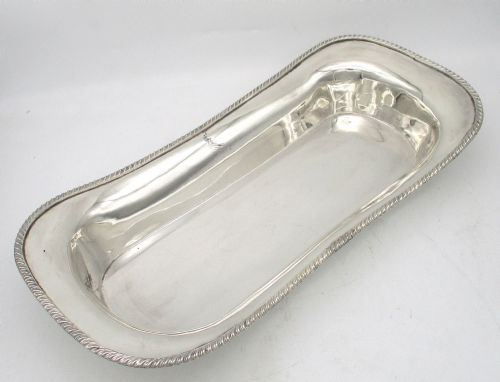
- A thin layer of silver bonded to a base metal such as copper or brass. It provided the appearance of solid silver at a more accessible cost during the Victorian era.
Nineteenth Century Table Centrepiece: Frequently Asked Questions
How were candelabra used on tables?
Candelabra served both a practical and decorative purpose on nineteenth century tables, providing ambient lighting before electric lamps became common. They were often arranged as matching pairs or alongside central bowls as part of a garniture.
Hosts used them to create height and visual interest down the centre of long dining tables, frequently matching the metalwork or porcelain style with other serving pieces.
How do I identify the period?
Identifying the period involves looking at the stylistic influences, such as Rococo Revival, Empire, or Régence style, alongside manufacturing techniques. Nineteenth century pieces often display registration marks, maker's stamps, or specific casting styles associated with Victorian and continental workshops.
Materials like hand-painted porcelain, gilt bronze, and heavy silver plate also point directly to nineteenth century production methods.
How do I clean gilt bronze?
Cleaning gilt bronze requires a very gentle approach to avoid damaging the thin layer of gold or patination. Dusting with a soft, dry brush is usually sufficient for regular maintenance.
Avoid using abrasive metal polishes or harsh chemical cleaners, as these will strip the delicate gilding and permanently ruin the surface finish.