



Nineteenth Century Spindle
Nineteenth century spindle pieces bring tactile turned elements and honest vernacular timbers directly into a room.
Nineteenth Century Spindle
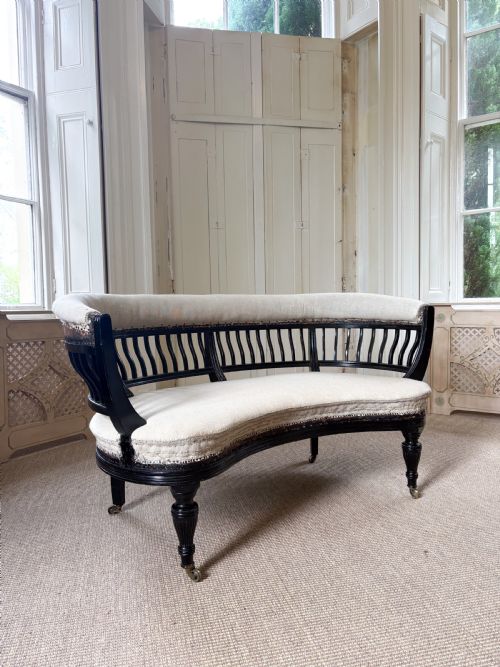
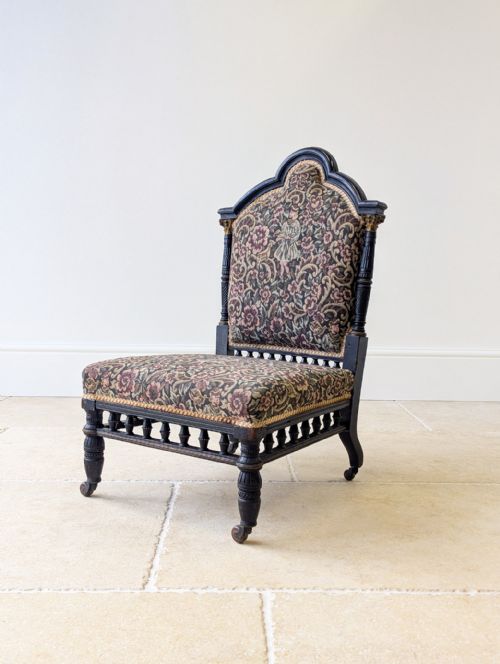
Nineteenth century spindle furniture encompasses seating, tables, and display pieces that rely on slender turned uprights for their structural framework. Buyers seek these forms for their combination of lightness and domestic utility.
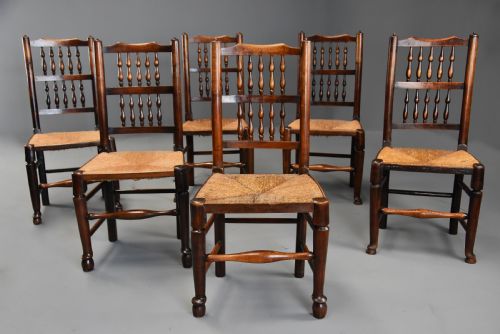
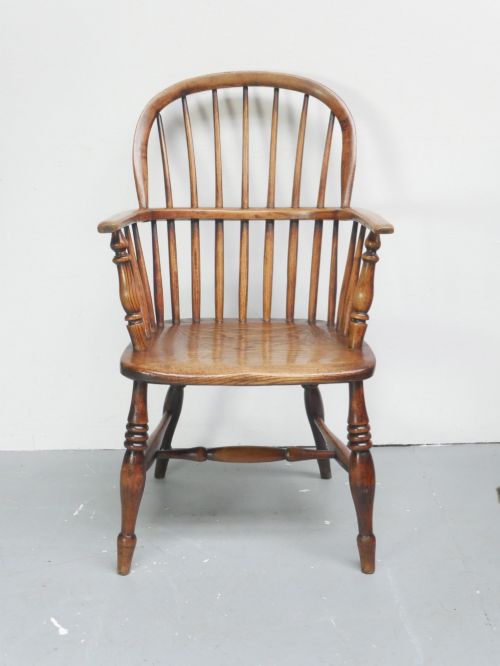
The version most commonly met on this page is the country chair, typically built with ash and elm frames and rush or wood seats. These vernacular items reflect regional British making traditions from the Victorian and earlier nineteenth century periods.
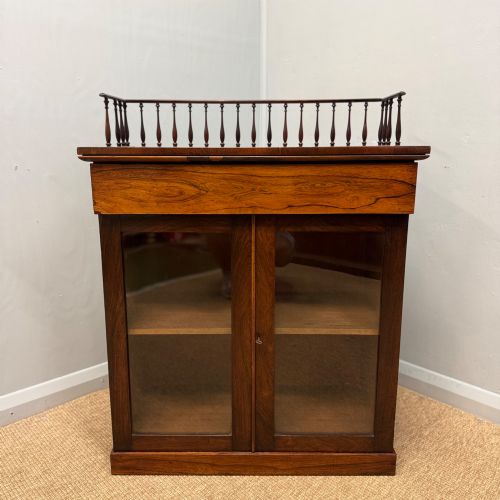
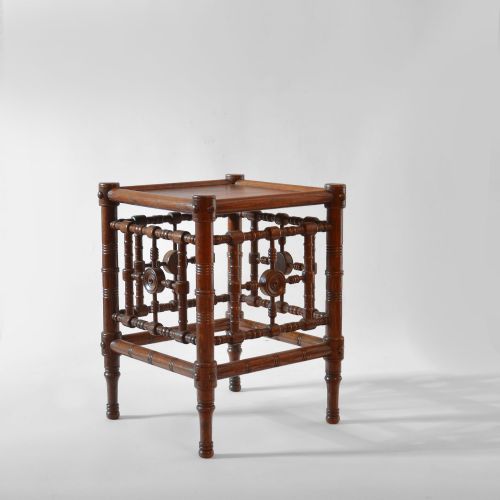
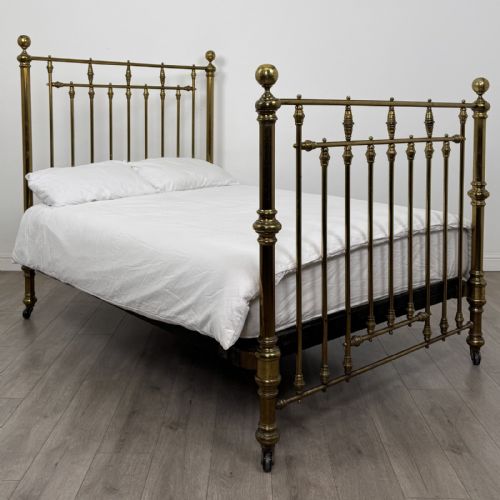
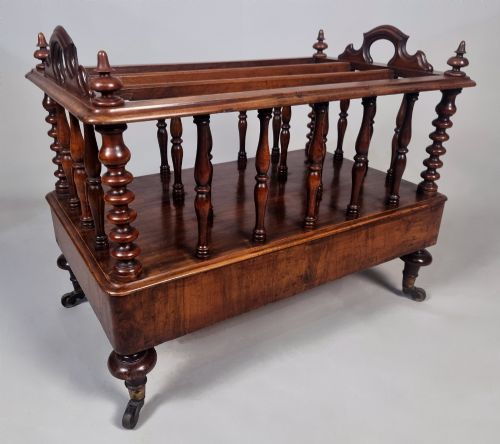
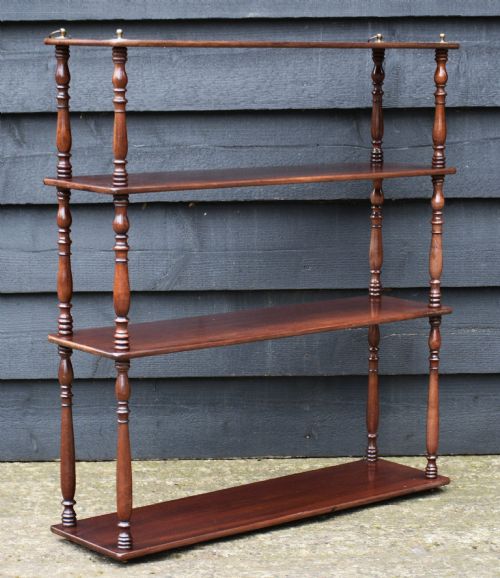
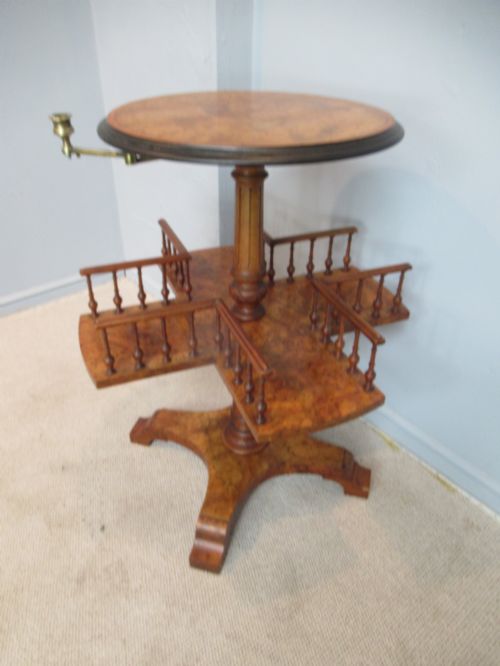
Beyond seating, the category includes occasional furniture such as mahogany whatnots, walnut canterburys, and brass beds featuring turned components. These diverse domestic objects share a reliance on linear turning to articulate their design.
Materials and Construction
Makers utilised native hardwoods such as ash, elm, beech, and mahogany, selecting each timber for its specific structural properties. Ash provided resilient bending strength for steam-bent bows, while elm offered tough, non-splitting qualities suited for solid saddle seats.
Lathe-turning formed the characteristic spindles and uprights, creating crisp profiles through hand-chiselling. These turned members were then joined using traditional mortise and tenon joinery, often secured with wedges for lasting stability.
Nineteenth Century Spindle Retail Price Guide 2026
Typical asking prices for nineteenth century spindle among the pieces listed under this phrase on Sellingantiques today, from the lower quarter to the upper quarter. They describe what is for sale here now, not the wider market.
A miniature travelling roulette wheel sits quietly among the heavy armchairs and beds, proving that nineteenth century entertainment came in remarkably portable formats.
Assessing Quality in Spindle Work
Quality rests in the crispness of the lathe work and the harmonious proportions of the turned members. Finer examples display balanced spacing between spindles and confident hand-shaping that avoids mechanical stiffness.
Original surface preservation heavily dictates distinction. Pieces retaining their early or original patinated finishes, paint, or polish hold greater integrity than those stripped or overly restored.
Edwards and Roberts·E W Godwin·Duncan McKellar·Gillows·John Shadford
The Nineteenth Century Spindle Glossary
- Spindle back
- A chair back constructed with a series of slender, turned vertical wooden rods. This design lightens the visual weight of the seating while providing robust spinal support.
- Windsor chair
- A wooden chair built with a solid saddle-seated base into which the legs and back spindles are directly joined. Regional variations often display distinct bow or comb top configurations.
- Canterbury
- A low, freestanding stand designed for holding sheet music, magazines, or books, typically featuring slatted or spindle dividers. Originating in the late eighteenth century, they remained popular throughout the Victorian era.
- Whatnot
- A set of open shelves supported by slender columns or spindles, used for displaying ornaments and books. These tier-based units grew in favour during the nineteenth century for domestic parlour use.
- Vernacular furniture
- Domestic items made by local tradesmen using regional materials and traditional methods rather than adhering to high-style metropolitan fashions. These pieces prioritise functional utility and local character.
Nineteenth Century Spindle: Frequently Asked Questions
What is a spindle back chair?
A spindle back chair uses a series of turned vertical wooden rods to form the support of the backrest. This construction method offers structural strength without excessive weight.
These chairs appear across various regional British vernacular traditions, particularly in ash and elm combinations.
How do I identify a Windsor chair?
A Windsor chair is characterised by a thick solid wooden seat into which the undercarriage legs and back components are bored directly. They often feature bentwood bows and sculpted seats for comfort.
Makers tailored these robust forms for both domestic dining and kitchen use throughout the nineteenth century.
What was a whatnot used for?
A whatnot served as an open tiered shelving unit designed for displaying small decorative objects, books, or parlour collections. Their slender upright supports kept the furniture visually light within crowded Victorian rooms.
They frequently stood in corners or against walls in sitting rooms to exhibit household possessions.
How should I care for antique wood?
Antique timber benefits from stable indoor humidity levels and protection from direct sunlight to prevent drying and warping. Regular dusting with a soft dry cloth maintains the surface.
Application of traditional wax polish helps nourish the historic finish without building up heavy chemical residues.