

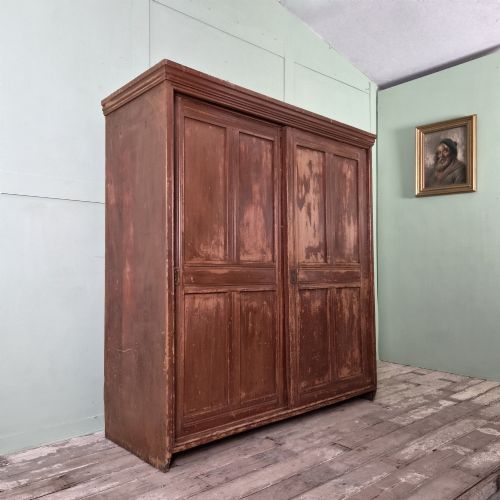
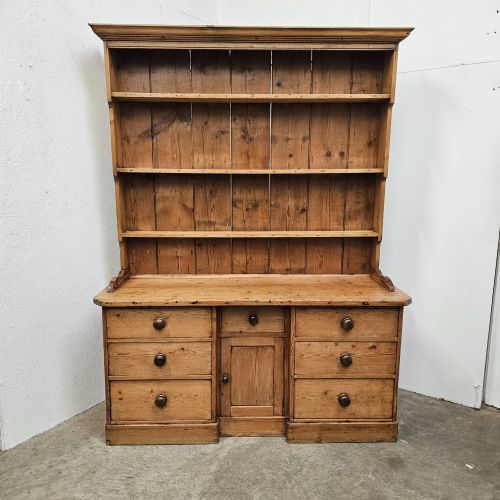
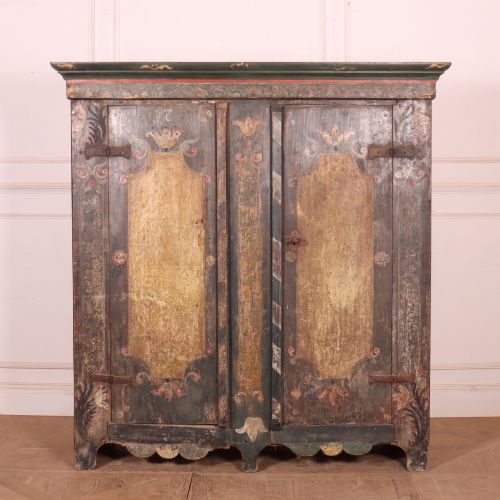
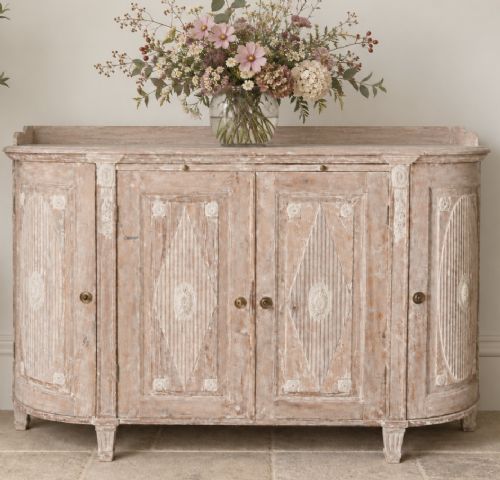
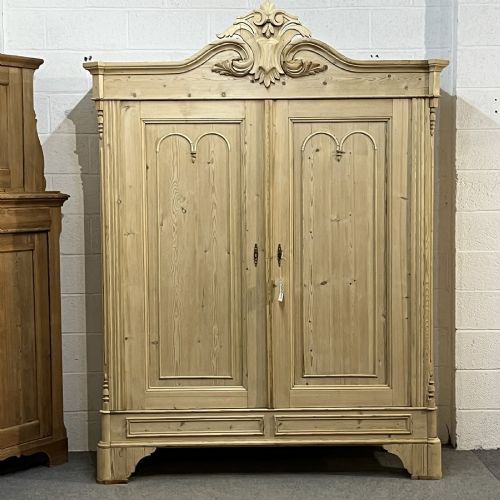
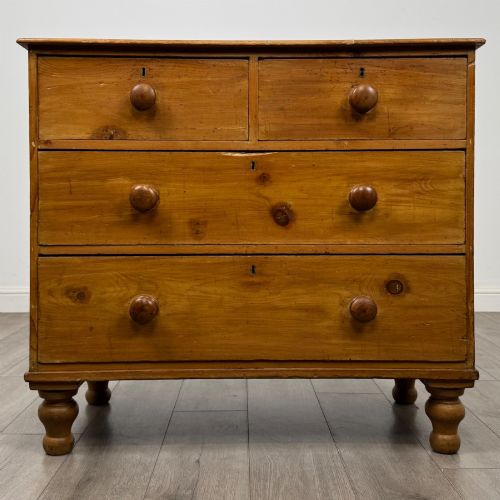
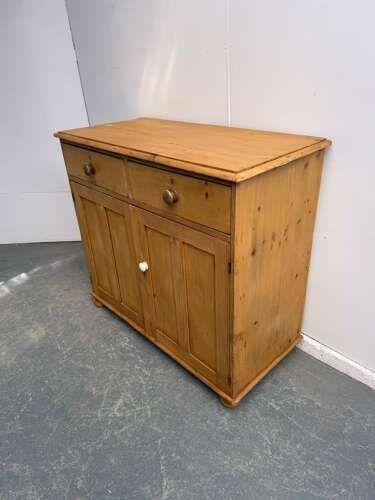
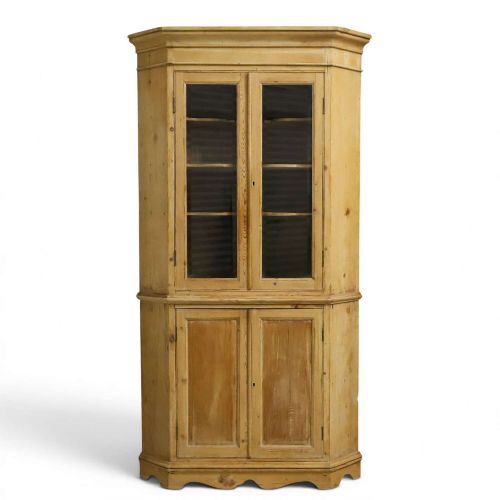
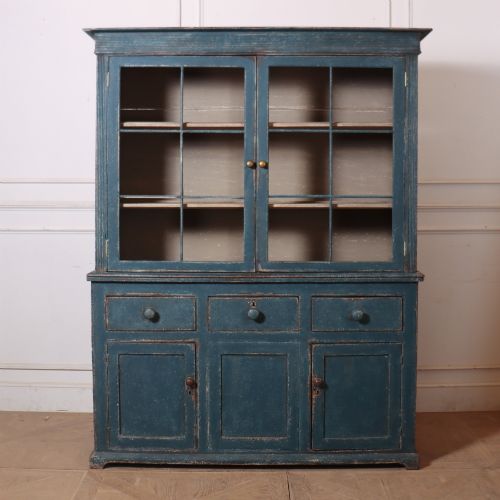
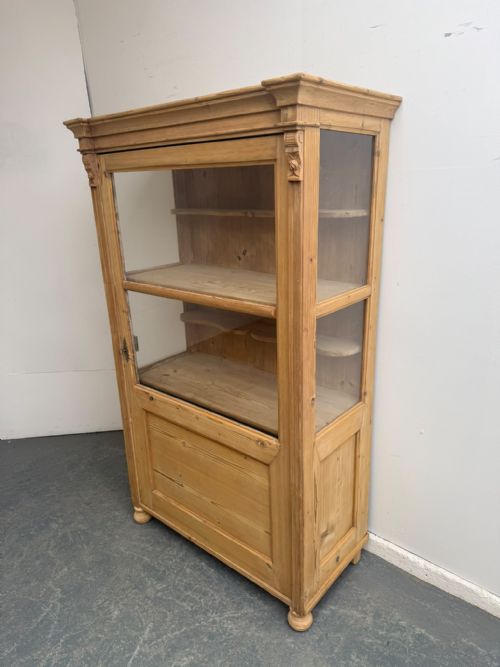
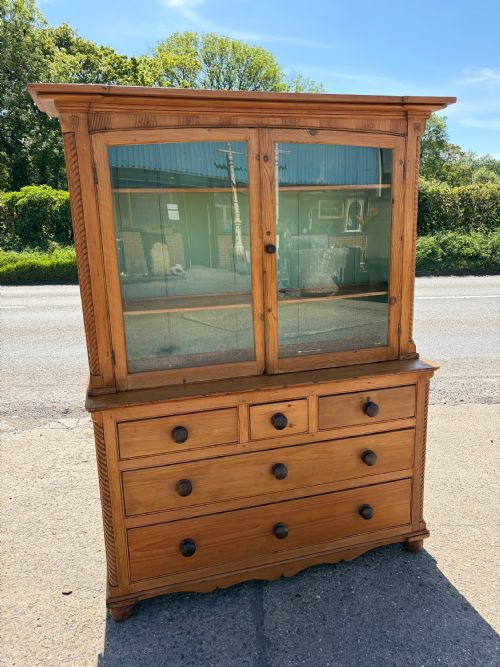


Nineteenth Century Pine Cabinet
Nineteenth century pine cabinets are practical storage pieces offering straightforward utility and rustic character for traditional interiors.
Nineteenth Century Pine Cabinet
A nineteenth century pine cabinet brings functional domestic storage from the Victorian era into modern spaces, spanning regional forms from the West Country, Wales, and Cornwall. Buyers inspecting this selection encounter a variety of practical furniture types built to handle everyday household demands.
The most frequent examples appearing on this page include dresser bases, corner cupboards, and multi-door storage cabinets. These items reflect traditional English country aesthetics, utilising sturdy timber construction suited for kitchens, living spaces, and hallways.
Beyond standard cupboards, the category encompasses specialised glazed display cabinets, chests of drawers, and two-part corner units. These utilitarian objects often display regional variations in form, ranging from painted kitchen dressers to waxed timber sideboards.
Materials and construction methods
Cabinet makers relied predominantly on solid pine timber, frequently finished with a traditional wax coating or decorative paint layers. The wood was selected for its availability and workability, providing a sturdy foundation for hardworking domestic furniture.
Hardware details incorporated functional brass and iron elements, including hinges, handles, and latches designed for daily use. Glazed upper sections in display cabinets and corner units integrated glass panels to protect stored contents while maintaining visibility.
Nineteenth Century Pine Cabinet Retail Price Guide 2026
Typical asking prices for nineteenth century pine cabinet among the pieces listed under this phrase on Sellingantiques today, from the lower quarter to the upper quarter. They describe what is for sale here now, not the wider market.
Regional English styles represented in the inventory include West Country, Cornish, and general English country vernacular forms.
Assessing craftsmanship and condition
The standard of a nineteenth century pine cabinet rests upon the integrity of its joinery, the thickness of the timber, and the preservation of its original surface treatment. Pieces that retain their early painted finishes or deep patinated wax display a more desirable visual depth.
Proportion and regional character also dictate distinction within the range, as pieces retaining untouched vernacular details command greater interest. Structural soundness in doors, drawers, and internal shelving remains central to evaluating the utility of each piece.
The Nineteenth Century Pine Cabinet Glossary
- Dresser base
- A low sideboard or cabinet featuring cupboards and drawers, historically used for food preparation and storage in country kitchens.
- Corner cupboard
- A specialised storage unit constructed with an angled back to fit neatly into the corner of a room, maximising floor space.
- Waxed timber
- Wood finished with a protective wax coating that nourishes the grain and develops a soft sheen through decades of handling.
- Painted finish
- A decorative surface treatment applied to timber, utilising historical paint formulations that often weather and patina over time.
- Two-part form
- A piece of furniture constructed in separate upper and lower sections to facilitate transport and placement within domestic interiors.
Nineteenth Century Pine Cabinet: Frequently Asked Questions
What rooms suit a nineteenth century pine cabinet?
These practical storage pieces fit naturally into kitchens, dining rooms, and hallways where utility and rustic character are desired. Their versatile dimensions allow them to function as sideboards, display units, or general storage cupboards.
Buyers often place them in living areas to introduce warmth and historical texture. The straightforward forms blend comfortably with both traditional and contemporary interior schemes.
How should I care for waxed pine furniture?
Maintaining waxed pine involves regular dusting with a soft, dry cloth to prevent the accumulation of dirt on the surface. Occasional application of a quality beeswax helps nourish the timber and preserves the soft sheen.
Avoid placing these cabinets in direct sunlight or near heat sources to prevent the wood from drying out or splitting. Gentle upkeep ensures the patinated surface continues to age gracefully.
What is a Cornish dresser?
A Cornish dresser is a regional variant of kitchen storage furniture originating from the county of Cornwall in southwest England. These pieces typically feature sturdy timber construction tailored to local domestic requirements.
They combine cupboard space with practical surface areas for food preparation or display. Their distinct regional style reflects the traditional craftsmanship of English country workshops.
Are these cabinets painted or natural wood?
The inventory includes both natural timber surfaces finished with wax and examples featuring historic painted finishes. Some pieces showcase original paint layers that have developed an appealing aged texture over time.
Buyers can select between the warm grain of waxed pine and the decorative charm of painted timber. Both finishes represent authentic historical treatments found on nineteenth-century domestic furniture.