
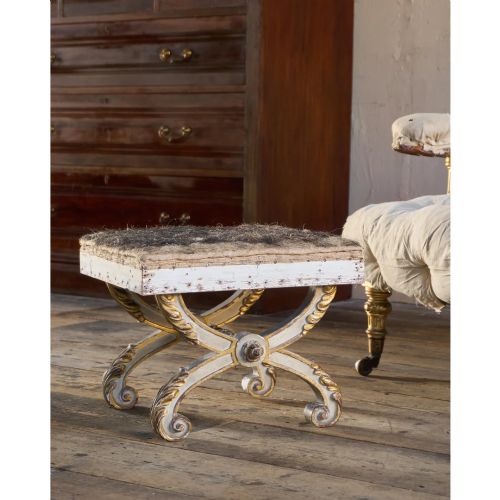
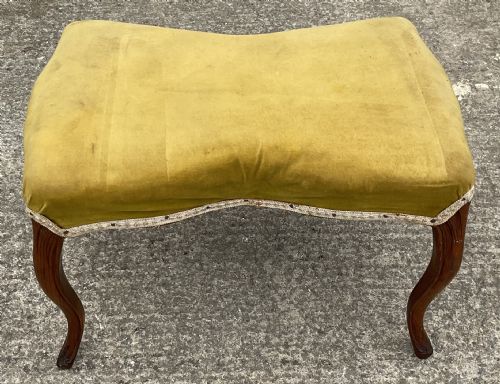
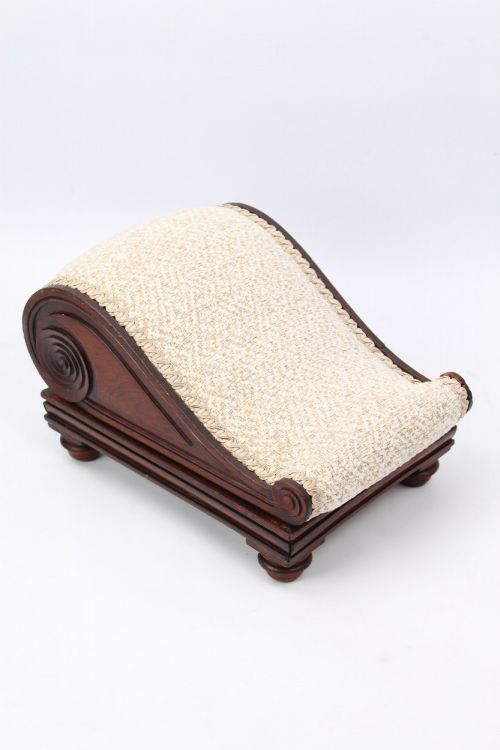


Nineteenth Century Ottoman
Nineteenth century ottoman pieces unite functional seating and textiles from an era of global craftsmanship, offering timeless utility and rich history.
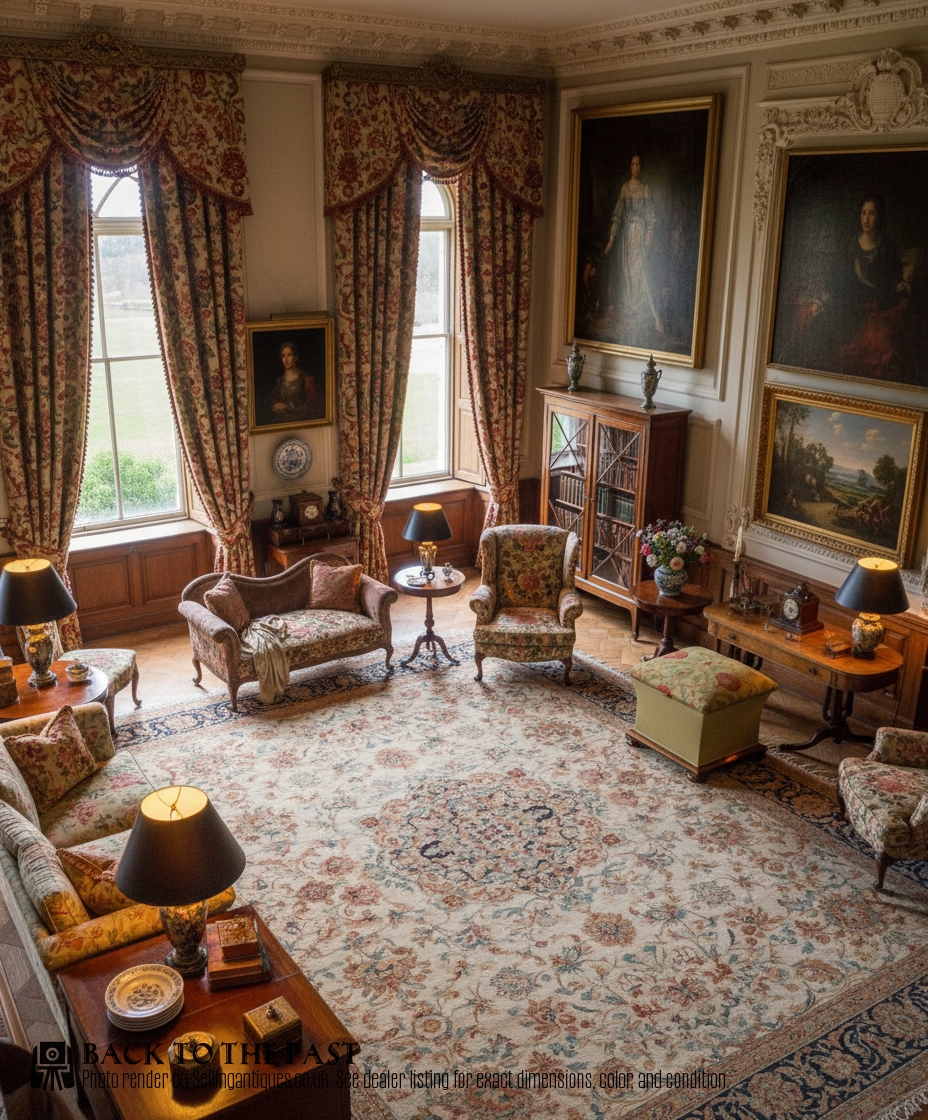
Nineteenth Century Ottoman
Nineteenth century ottoman selections encompass footstools, box ottomans, rugs, carpets, and textiles reflecting diverse cultural exchanges. Buyers encounter diverse seating furniture alongside woven carpets, arms, and garments from the nineteenth century.
The most common nineteenth century ottoman forms on this page include rosewood and mahogany footstools, upholstered box ottomans, and wool Ushak carpets. These items combine domestic utility with decorative textile arts.
Origins span across Turkey, Algeria, and Britain, showing how nineteenth century ottoman aesthetics integrated regional woodwork, brass fittings, and woven silk or wool.

Materials and construction
Makers utilised solid timbers such as mahogany, rosewood, walnut, and beech to build sturdy frames for stools and box ottomans. Brass elements appear in hardware, mounts, and firearm cladding.
Textiles form a major component, utilising wool, velvet, fabric, silk, and chenille for upholstery, rugs, carpets, and embroidered garments. Gold embroidery and bone inlays frequently embellish textile art and personal accessories.
Nineteenth Century Ottoman Retail Price Guide 2026
Typical asking prices for nineteenth century ottoman among the pieces listed under this phrase on Sellingantiques today, from the lower quarter to the upper quarter. They describe what is for sale here now, not the wider market.
Assessing quality in nineteenth century pieces
Quality separates through the integrity of timber joinery and the fineness of carved detailing on frames and legs. Superior pieces display dense rosewood or mahogany with precise carving and solid construction.
Textile quality hinges on the density of the weave in Ushak carpets and the intricacy of silk or gold thread embroidery on garments and scarves. Preserved original upholstery and untact bone or brass inlays elevate the standing of an item.
Miles and Edwards
The Nineteenth Century Ottoman Glossary
- Ushak
- A knotted carpet originating from the town of Ushak in Turkey, known for distinctive wool textures and traditional patterns.
- Box Ottoman
- A seated furniture piece featuring an internal compartment accessed by lifting the upholstered lid, often utilised as a work box or footrest.
- Miquelet
- A type of flintlock firearm mechanism common in Mediterranean and Ottoman arms during the eighteenth and nineteenth centuries.
- Curule
- A stool or chair design characterised by intersecting curved legs resembling ancient Roman magistrate seats.
- Tülbent
- A lightweight silk scarf or headcovering, historically associated with Ottoman textiles and fine gold embroidery.
Nineteenth Century Ottoman: Frequently Asked Questions
What is a nineteenth century ottoman box?
A nineteenth century ottoman box combines a padded seating surface with a storage compartment underneath. These pieces served practical domestic functions for needlework or resting feet.
They appear in timbers like mahogany and rosewood, often upholstered in leather, velvet, or chenille.
How do I identify an Ushak carpet?
Ushak carpets from the nineteenth century display traditional Turkish weaving techniques using wool. They feature distinct regional patterns and warm palettes suited to period interiors.
Inspect the density of the wool knotting and the edge bindings to understand their construction.
Were firearms made in the Ottoman empire?
Yes, Ottoman craftsmen produced functional firearms such as toe-lock muskets and miquelet belt pistols. These weapons often incorporated embossed brass cladding and bone stocks.
They represent North African and Balkan metalwork traditions from the eighteenth and nineteenth centuries.
How should I care for vintage textiles?
Vintage Ottoman textiles and embroidered silk scarves require protection from direct sunlight to prevent fading. Keep them in stable environments away from excessive moisture.
Gentle vacuuming with a mesh screen protects woven wool rugs and carpets during routine maintenance.