



Nineteenth Century Mahogany Sofa
A nineteenth century mahogany sofa brings profound architectural weight and rich grain figure to a room, standing among the most enduring seating forms.
Nineteenth Century Mahogany Sofa
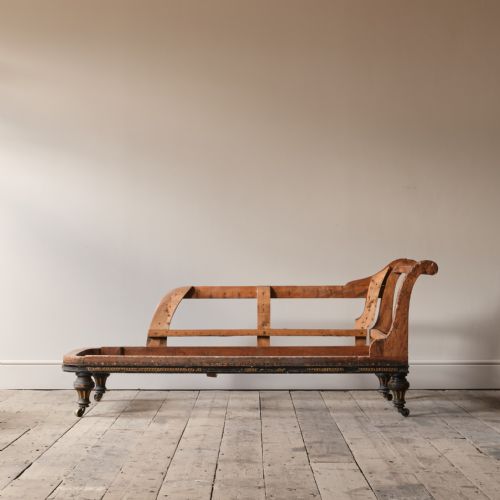
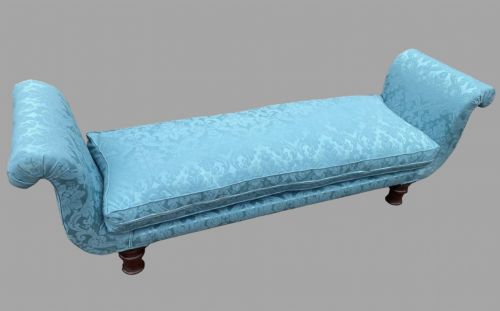
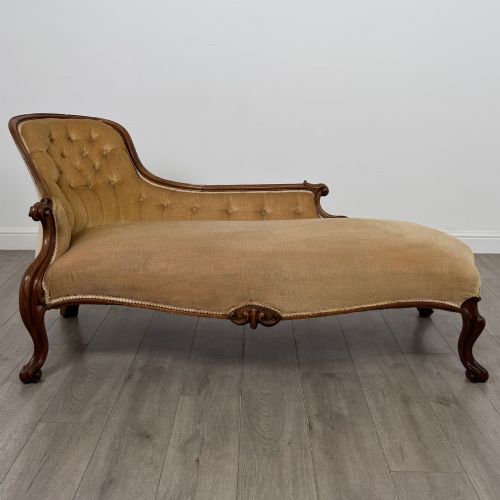
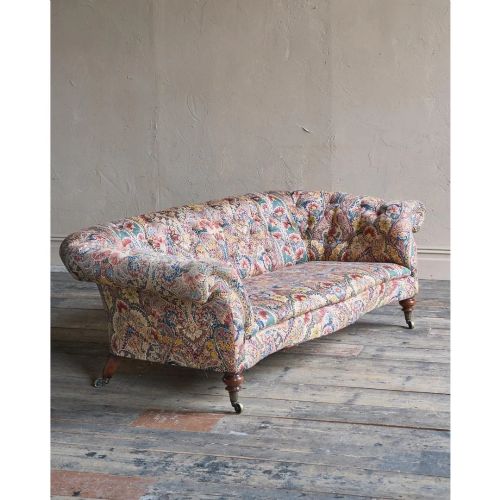
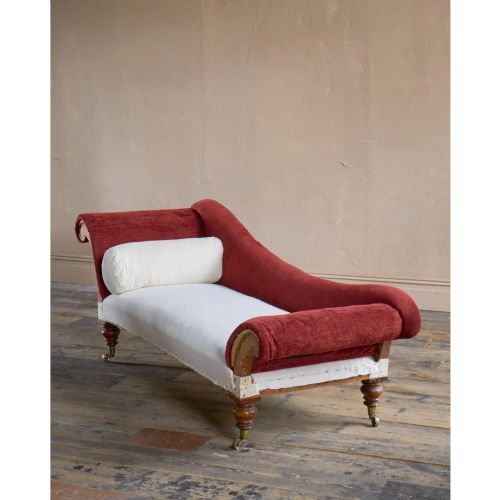
A nineteenth century mahogany sofa encompasses substantial multi-seater settees, scroll end day beds, chaise longues, and specific double-ended designs created for formal reception spaces. These pieces emerge across distinct stylistic revivals and periods, spanning Regency elegance through substantial Victorian upholstery.
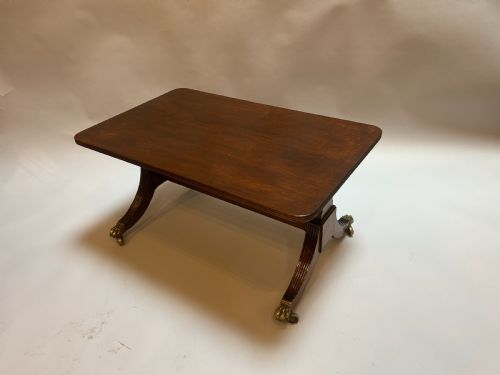
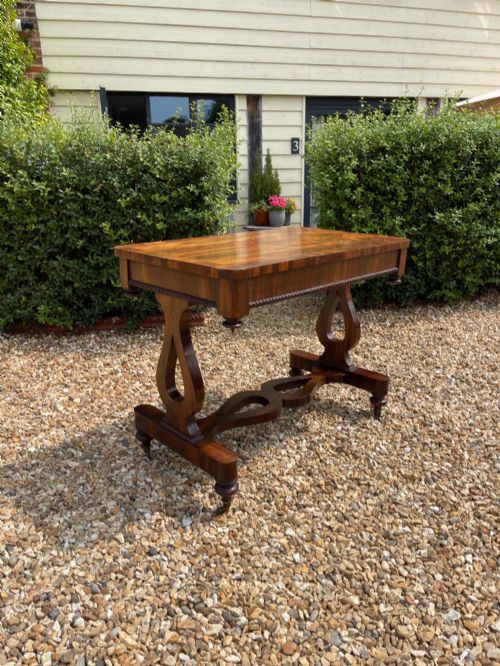
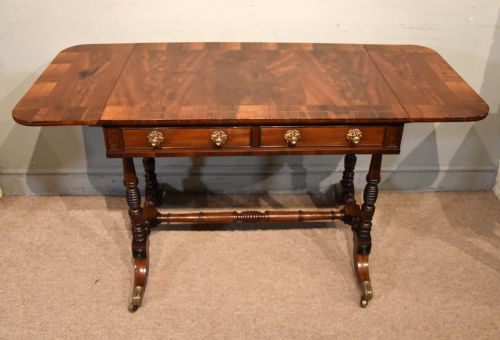
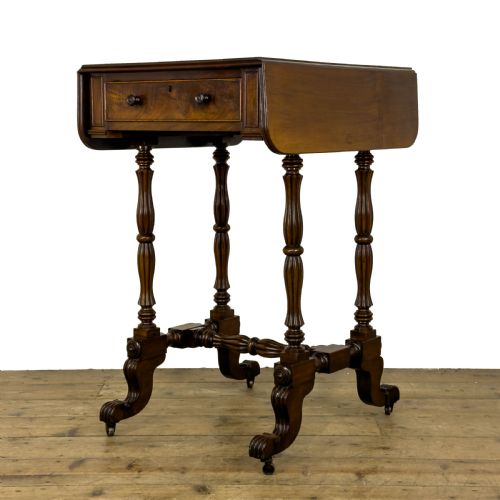
The most frequent examples encountered on this page display the characteristic scrolled ends and deep mahogany frames of the Regency and Victorian eras. Buyers also locate related library tables and occasional forms within the broader grouping, yet the core focus remains large seating built for interior display.
Materials and construction
Cabinet makers utilised dense solid mahogany and figured flame mahogany veneers over secondary timbers, often accentuating the primary wood with rosewood crossbanding, brass inlay, or parcel gilding. Structural integrity relied on heavy framing joined with traditional cabinet-making techniques.
Upholstered surfaces incorporated textiles such as velvet, silk, leather, and patterned fabric, frequently secured over deep buttoning or sprung foundations. Metal accents including brass castors and ormolu mounts completed the hardware of the finest framework.
Several pieces arrive ready for afternoon naps, having served that exact purpose since the reign of George IV.
Assessing quality and proportion
Superior examples separate themselves through the selection of highly figured flame mahogany veneers and the crispness of carved scrollwork or architectural mounts. The balance of proportion between the show wood frame and the upholstered body dictates the visual success of the piece.
Workshop attribution elevates certain items, particularly when timber selection shows exceptional grain movement and secondary woods are chosen with care. Finer pieces maintain original surface patination, whereas lesser versions show heavy alteration or coarse timber replacement.
Holland and Sons·Howard and Sons·James Mein Kelso·Gillingtons Dublin
The Nineteenth Century Mahogany Sofa Glossary
- Flame mahogany
- A veneer cut from the fork of the mahogany tree to produce a dramatic, flickering flame-like grain pattern. This decorative surface treatment was favoured on prominent exterior panels.
- Scroll end
- A sweeping, curved wooden terminal on a sofa or day bed arm, mirroring ancient classical forms. It defines much of the silhouette in Regency seating.
- Crossbanding
- A border technique where narrow strips of veneer are laid perpendicular to the main grain direction. It frames table tops and structural rails with a contrasting timber border.
- Ormolu
- Gilded bronze mounts applied to furniture surfaces for decorative contrast. These cast metal ornaments appear frequently on French Empire inspired pieces.
- Chaise longue
- An upholstered couch with one raised end, designed for reclining. Nineteenth-century variants range from formal scroll ends to deep Victorian reception pieces.
Nineteenth Century Mahogany Sofa: Frequently Asked Questions
How do I spot a Regency sofa?
Regency sofas are identified by classical architectural lines, scroll ends, and often substantial mahogany or rosewood timbers with brass mounts. These pieces reflect early nineteenth-century neoclassical tastes.
Makers of this era favoured clean structural silhouettes, sometimes incorporating lyre supports or carved wooden framing left exposed around the upholstered sections.
Where were these sofas used?
These seating forms occupied principal reception rooms, drawing rooms, and grand libraries within large nineteenth-century residences. Their scale was designed for formal entertaining and leisurely reclining.
In contemporary settings, they serve as focal seating in spacious living areas or studies where their strong timber frames can be viewed from all angles.
How do I care for mahogany?
Mahogany requires stable room humidity and protection from direct sunlight to prevent the deep reddish-brown timber from fading. Regular dusting with a dry lint-free cloth preserves the polished surface.
Avoid placing these pieces near intense heat sources or damp environments, as extreme temperature shifts can stress the underlying veneer and solid joints.