



Nineteenth Century Kitchen Chairs
Nineteenth century kitchen chairs are robust domestic seats shaped by local woods and regional traditions, offering tactile history and enduring utility.
Nineteenth Century Kitchen Chairs
When buyers search for nineteenth century kitchen chairs, they encounter sturdy wooden seating designed for daily domestic use in country homes and farmhouses. These pieces range from simple single chairs to matched sets and carvers, shaped by regional hands across Britain and France.
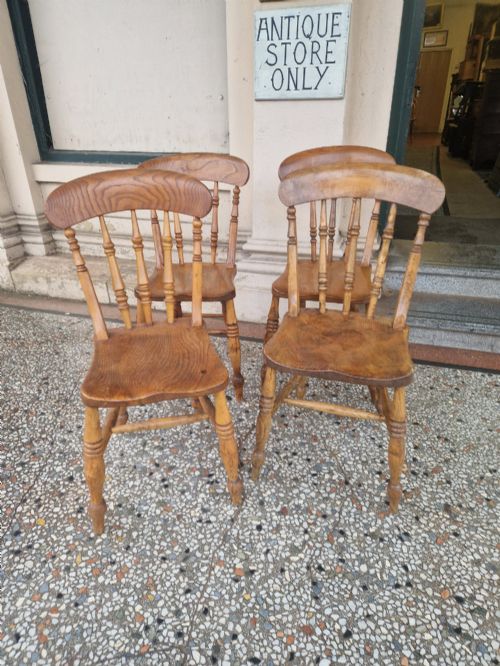
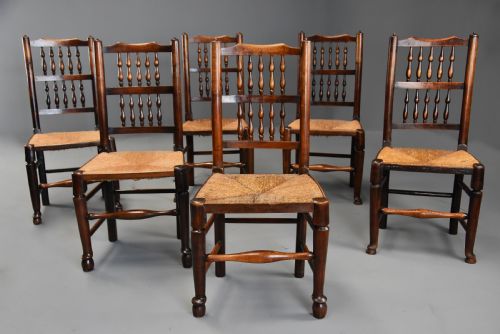
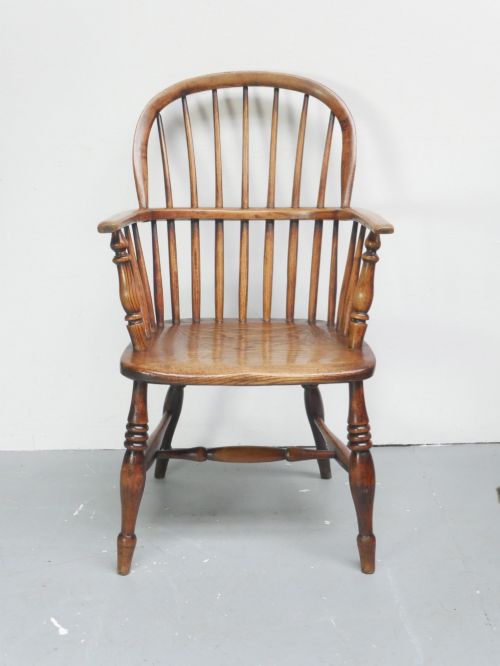
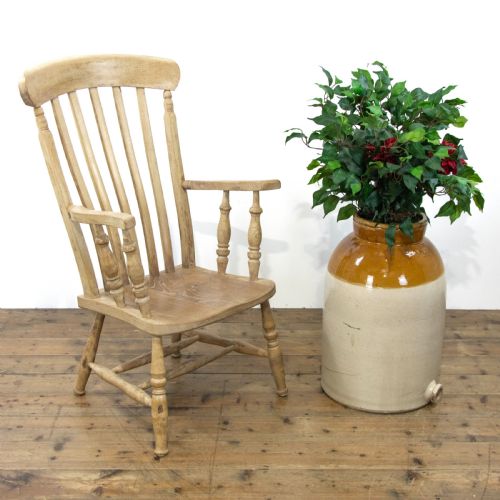
The most frequent examples on this page are vernacular country chairs built from mixed timbers like elm, ash, and beech. Makers fashioned them with spindle backs, ladder backs, or Windsor frames, frequently pairing solid timber seats with rush or wood.
Originating across the nineteenth century, including Victorian periods and specific decades up to nineteen hundred, these chairs reflect local workshops rather than grand urban factories. Their forms include dining chairs and armchairs intended for practical utility around the hearth or table.
How they were made
Country chairmakers relied on readily available local hardwoods, turning legs and spindles on pole lathes while shaping seats from solid blocks of elm. Ash provided resilient bending strength for ladder backs and Windsor bows, while beech and fruitwood served for turned structural framing.
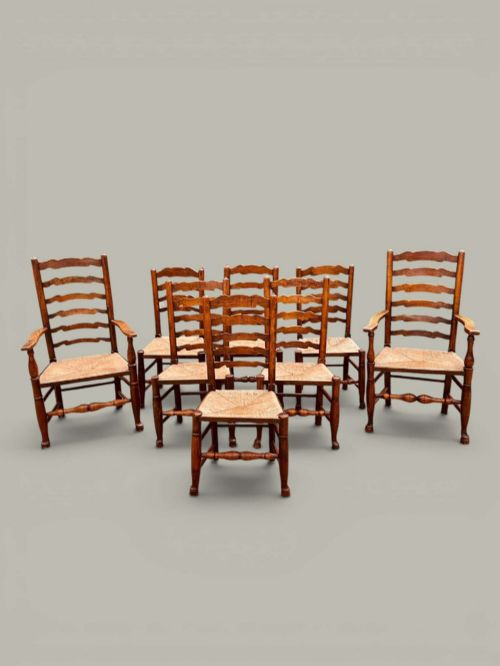
Construction techniques combined traditional joinery such as wedged tenons, steam bending, and pegged joints to withstand heavy domestic labour. Rush seating was woven directly onto frames where specified, creating durable pads that complemented wooden rails and spindles.
Nineteenth Century Kitchen Chairs Retail Price Guide 2026
Typical asking prices for nineteenth century kitchen chairs among the pieces listed under this phrase on Sellingantiques today, from the lower quarter to the upper quarter. They describe what is for sale here now, not the wider market.
Many a nineteenth century kitchen chair bears the subtle depression of generations of farmers sitting down to hearty suppers after long days.
What varies in quality
Quality in nineteenth century kitchen chairs rests upon the harmony of the timber selection and the integrity of the original construction. Chairs that combine contrasting woods like yew and elm with balanced proportions demonstrate superior regional craftsmanship.
The depth of surface wear and the preservation of original timber patination dictate the visual richness of a piece. Examples retaining their initial structural tightness without excessive replacement parts stand distinct from heavily restored alternatives.
The Nineteenth Century Kitchen Chairs Glossary
- Windsor
- A traditional wooden chair featuring a solid carved seat into which the legs, back bow, and spindles are directly socketed. This construction method ensures notable strength and structural longevity.
- Spindle back
- A chair back composed of multiple thin vertical turned wooden rods. These rods support the sitter and distribute pressure evenly across the top rail.
- Ladder back
- A style characterised by horizontal wooden slats fitted between two upright rear posts. These curved slats resemble the rungs of a ladder.
- Rush seat
- A seating surface woven from dried marsh rushes twisted into cords. This traditional technique yields a flexible and supportive base for country chairs.
- Patina
- The surface sheen and colour acquired by wood through decades of handling, polishing, and exposure to light. It signals age and organic use.
Nineteenth Century Kitchen Chairs: Frequently Asked Questions
How do I identify a Windsor armchair?
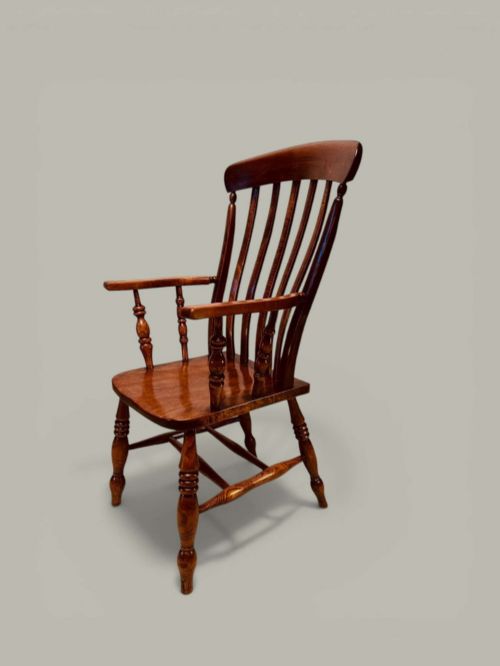
A Windsor armchair is distinguished by its thick solid wood seat, which serves as the central anchor for all other components. The legs and back spindles are wedged straight into bored holes rather than connected through a separate frame.
These chairs often feature a bentwood bow or a high spindle back, sometimes incorporating contrasting timbers like ash, elm, and yew in a single frame.
Are these chairs suitable for daily dining?
Nineteenth century kitchen chairs were built explicitly for heavy domestic labour and daily sitting around the hearth or table. Their robust construction using native hardwoods makes them well suited for contemporary dining use.
Care should be taken with rush seats or antique joints, ensuring they are placed on even floors to prevent undue strain on the legs.
What is a vernacular country chair?
A vernacular country chair is a piece made by local regional joiners and bodgers without adherence to formal London cabinet-making guilds. Makers utilised whatever timbers grew nearby, resulting in distinctive local variations in turning and back design.
These chairs prioritise functional utility and local material availability over standardised urban aesthetics.
How should I care for antique wood?
Maintain nineteenth century wooden chairs by keeping them away from direct heat sources and radical humidity shifts. Natural beeswax applied sparingly helps nourish dry timber and preserves the historical surface sheen.
Avoid modern liquid polishes containing silicone, which can penetrate open grain and alter the natural patina built over generations.