
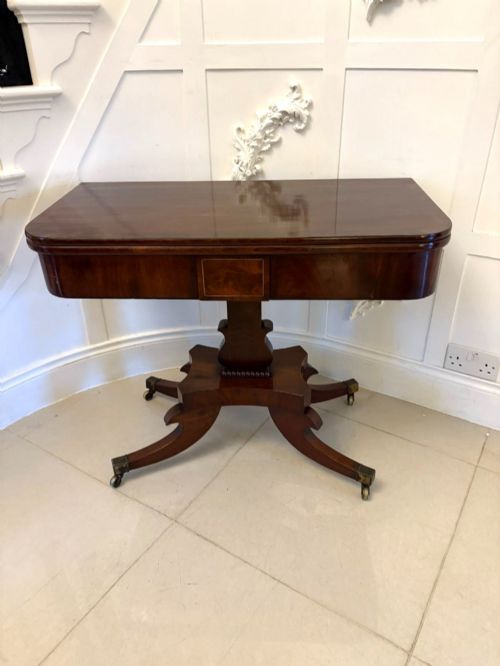
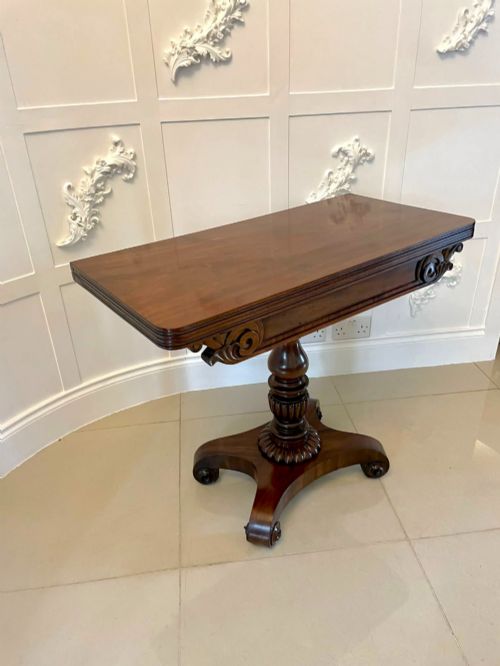

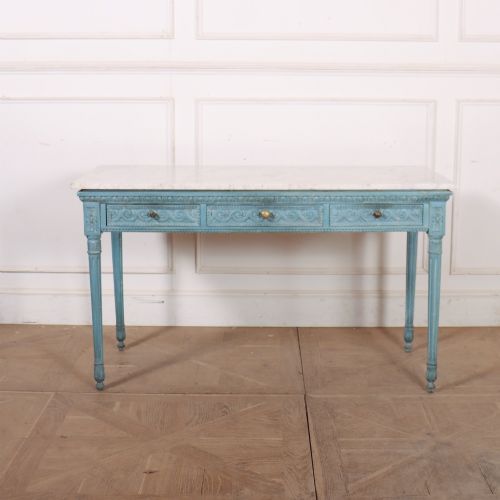
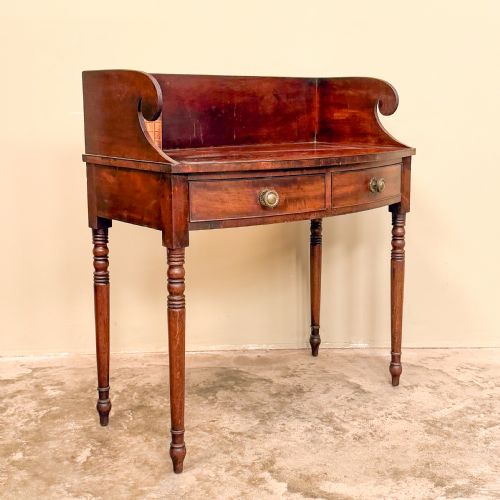
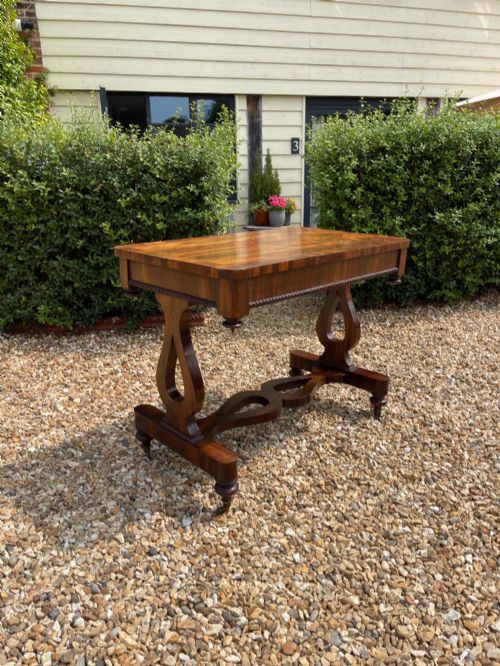
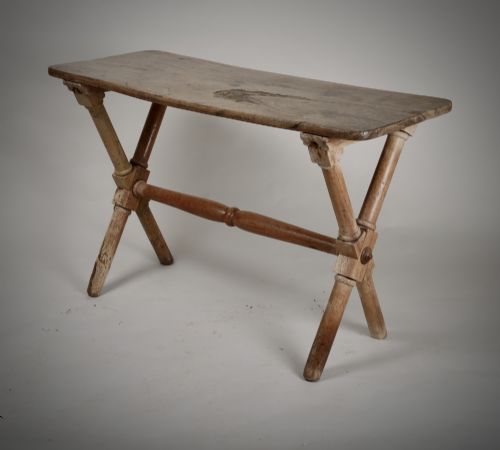
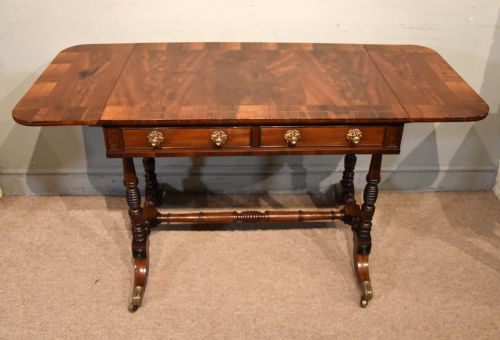
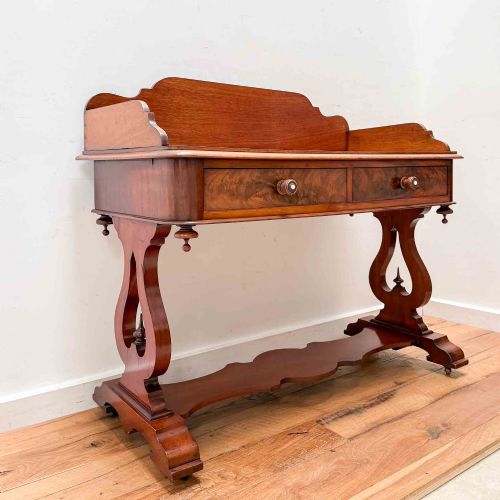


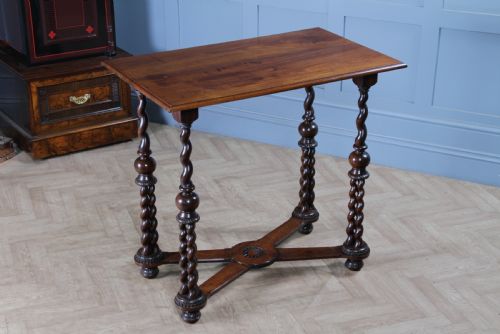


Nineteenth Century Hall Console
Nineteenth century hall console tables anchor an entranceway with timber and marble, offering a surface for letters and light.
Nineteenth Century Hall Console
A nineteenth century hall console serves as a narrow surface for an entrance passage, frequently taking the form of a console table, side table, or sofa table adapted for wall placement. These pieces emerge across the nineteenth century, encompassing Regency, Victorian, and William IV periods alongside specific decades like 1850, 1860, 1870, and 1880.
The material palette is dominated by timbers such as mahogany, rosewood, walnut, and oak, often paired with marble tops or glass elements. Regional origins span Britain, France, Italy, Spain, and India, reflecting varied domestic tastes in the nineteenth century.
Buyers meet forms ranging from simple mahogany side boards to elaborately carved Italian pieces and French two-drawer cherrywood formats. The selection includes specific configurations like D-shaped tea tables and centre tables positioned against walls in narrow spaces.
Materials and construction methods
Cabinetmakers utilised dense hardwoods including figured mahogany, flame mahogany, pollard oak, and rosewood, frequently applying crossbanding and ebony details. Structural support relies on turned legs, triple barley twists, or carved supports in walnut and giltwood.
Surface luxury is achieved through polished marble tops in pink Salome or standard white varieties, alongside cast or chased ormolu mounts. Painted wood and hand-painted finishes appear on specific dresser bases and decorative tables, showing diverse workshop traditions.
Listings feature timbers including mahogany, rosewood, walnut, oak, and cherrywood, combined with marble and glass.
Distinctions in construction and design
Superior examples display careful timber selection, such as highly figured mahogany veneers and matched crossbanding that accentuates the grain. The crispness of hand-carved elements, from neoclassical details to baroque flourishes, separates standard production from workshop masterpieces.
Structural integrity reveals itself in the joinery of drawers, the stability of heavy marble slabs, and the retention of original brass or ormolu hardware. Pieces attributed to notable makers demonstrate superior proportions and refined execution of stylistic idioms.
James Mein·Jean Joseph Chapuis·Gillows·Gillow Lancaster·Gillingtons Dublin·George Oakley
The Nineteenth Century Hall Console Glossary
- Console table
- A table designed to stand against a wall, frequently supported by wall brackets or front legs. These tables provide a decorative surface for halls and drawing rooms.
- Sofa table
- A rectangular table with drop leaves on either side, traditionally used in front of a sofa. Nineteenth century examples often feature dual pedestal ends or trestle supports.
- Crossbanding
- A decorative border of veneer laid with the grain running perpendicular to the main surface. This technique frames tabletops and drawer fronts in contrasting timber.
- Ormolu
- Gilded bronze mounts applied to furniture for decorative effect. It appears frequently on French and neoclassical tables of the nineteenth century.
Nineteenth Century Hall Console: Frequently Asked Questions
Where do you put a hall console?
These tables fit into entrance halls, narrow corridors, and passageways where floor space is restricted. Their shallow depth allows them to sit flat against a wall without obstructing movement.
They provide a functional surface for holding post, keys, or a decorative lamp while establishing the decorative tone of a home's entrance.
How do I identify a Regency console?
Regency pieces often display classical motifs inspired by ancient Greece and Rome, including brass inlay, ebony stringing, and heavy pillar supports. The timbers tend to be rich mahogany, rosewood, or pollard oak.
Look for architectural symmetry, restrained carving, and elements like D-shaped tops or giltwood accents typical of the early nineteenth century.
What is a marble top used for?
Marble tops provided a durable, cool surface resistant to moisture and heat from everyday items left in an entranceway. They added a formal, continental aesthetic to British and European interiors.
In practical terms, the stone offered a sturdy platform that resisted staining and wear better than bare wood.
Can I use a sofa table as a console?
Sofa tables function well against walls when the drop leaves are lowered or even when extended in wider hallways. Their original design permitted placement behind seating, but their proportions suit perimeter placement.
Many nineteenth century examples feature drawers and finished backs, making them versatile for hall use.