

Nineteenth Century Figure
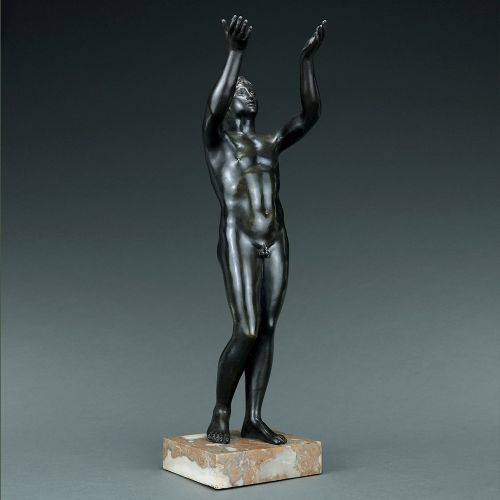
A nineteenth century figure brings classical myth and historic portraiture into a room through bronze, marble, and earthenware.
Nineteenth Century Figure
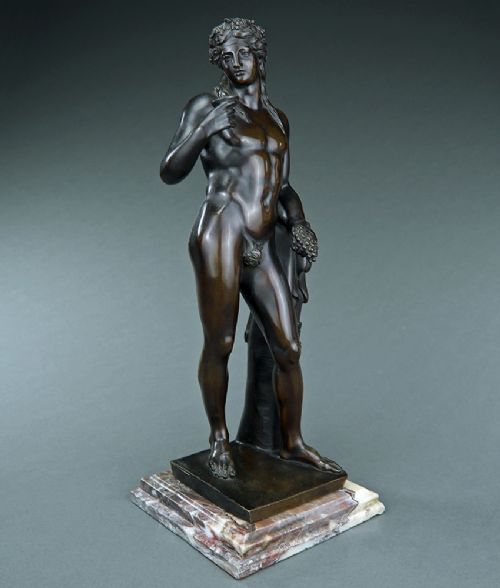
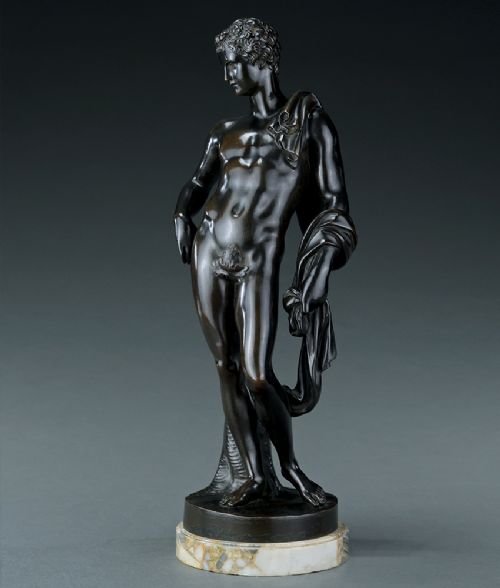
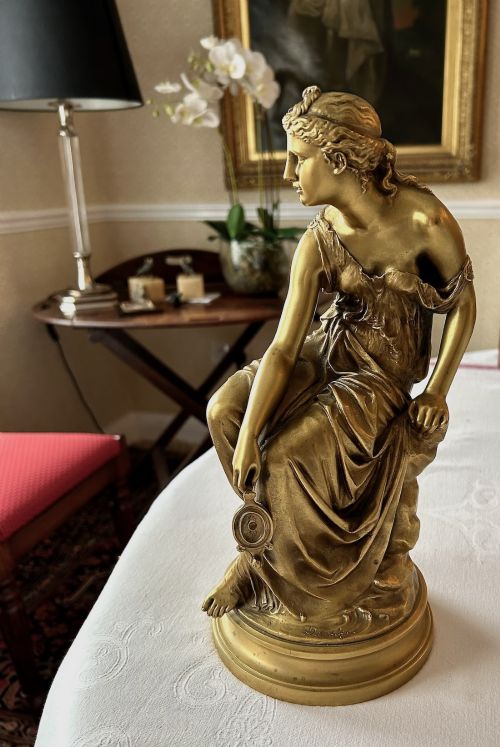
A nineteenth century figure encompasses sculptural works in bronze, marble, pottery, and terracotta produced across the Victorian, Georgian, and late nineteenth periods. Buyers seek these pieces to bring historical character, classical mythology, and finely rendered portraiture into domestic interiors.
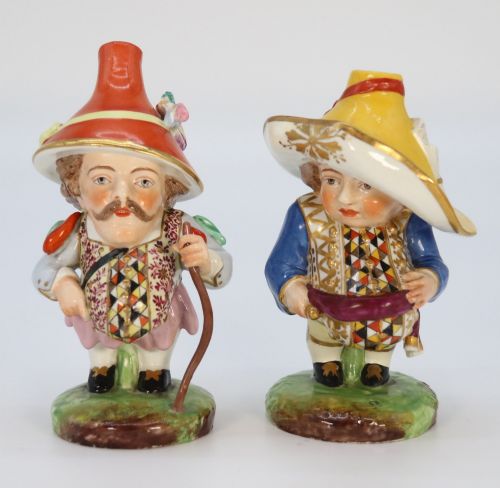
The selections on this page range from small cabinet bronzes and Grand Tour souvenirs to Staffordshire pottery pairs, Dutch Delft animals, and cast metal figures integrated into mantel clocks.
Origins span British earthenware workshops, French foundries, Italian marble studios, and German porcelain factories, reflecting the diverse manufacturing centres of the era.
Materials and production methods
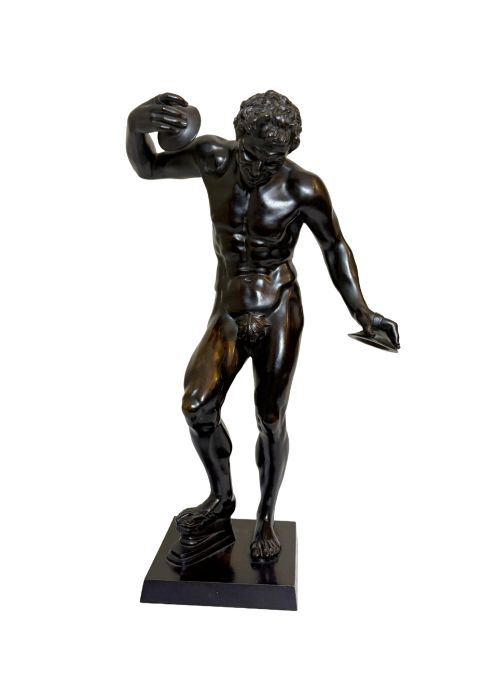
Foundries utilised the lost-wax casting technique for bronze sculptures, often applying chemical patination to achieve deep brown or green surface tones, alongside mercury gilding for gilt bronze highlights.
Carved marble figures relied on skilled stonemasons working with Carrara or serpentine marble, frequently mounted upon contrasting coloured marble bases.
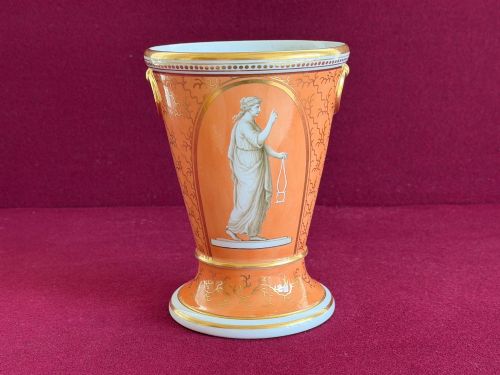
Earthenware and porcelain pieces combined slip casting or hand moulding with underglaze or enamel painting before kiln firing.
Listings feature materials spanning patinated bronze, Carrara marble, glazed earthenware, and carved hardwood across the nineteenth century.
Distinctions in craftsmanship
The refinement of the chisel work on cast bronze surfaces separates standard commercial foundry production from master-executed works signed by known sculptors.
For ceramic figures, the crispness of the moulded details and the control shown in hand-painted enamel colours define the execution standard.
Etienne-Henri Dumaige·Flight and Barr·Alfred Barye·Eugene Aizelin·Volkstedt Rudolstadt Factory
The Nineteenth Century Figure Glossary
- Grand Tour
- A traditional trip through Europe undertaken by upper-class young men to collect art and antiquities. These souvenirs often included small bronze reductions of famous classical sculptures.
- Patination
- The chemical or natural surface ageing on metal or bronze. Collectors value original patination for preserving the authentic visual history of the piece.
- Lost-wax casting
- A method of metal casting where a molten metal is poured into a mould that has been created by means of a wax model. This technique allows for intricate detail in bronze figures.
- Spill vase
- A hollow ceramic or wooden figure designed to hold wooden spills used for lighting candles or pipes. These domestic items were produced in pairs by Staffordshire potteries.
- Terracotta
- Fired clay used for sculptural models and finished figures. The reddish-brown earthenware medium records the direct touch of the modeller before firing.
Nineteenth Century Figure: Frequently Asked Questions
What is a Grand Tour figure?
A Grand Tour figure is a bronze or marble souvenir purchased by travellers visiting archaeological sites in Italy and Greece during the nineteenth century.
These pieces typically depicted classical deities, mythological scenes, or famous antique statues scaled down for domestic display.
How do I care for bronze figures?
Bronze requires minimal maintenance beyond occasional dusting with a soft, dry cloth to prevent the accumulation of airborne particles.
Avoid using water, oils, or chemical polishes, as these substances can damage the original patination on the metal surface.
What is an artist's lay figure?
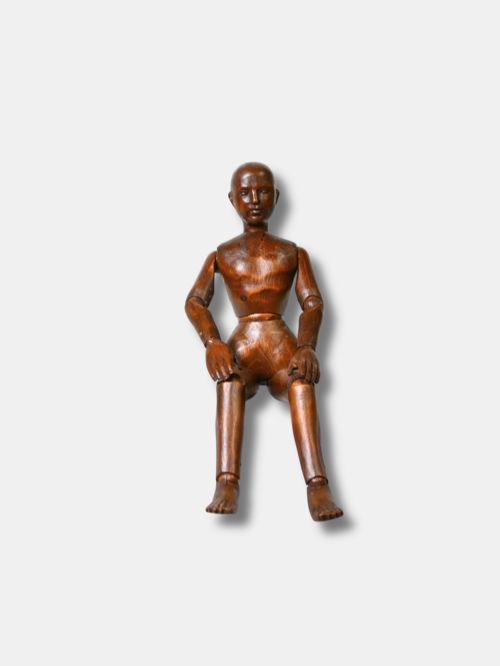
An artist's lay figure is a fully articulated wooden manikin used by painters and sculptors to study drapery, light, and human anatomy.
Jointed limbs allowed the creator to pose the figure accurately in the studio before transferring the composition to canvas or clay.
How are marble figures mounted?
Marble figures are frequently set onto contrasting circular or rectangular stone bases, such as Siena marble or grey marble.
This mounting technique provided structural stability to heavier stone sculptures while enhancing the visual display.