
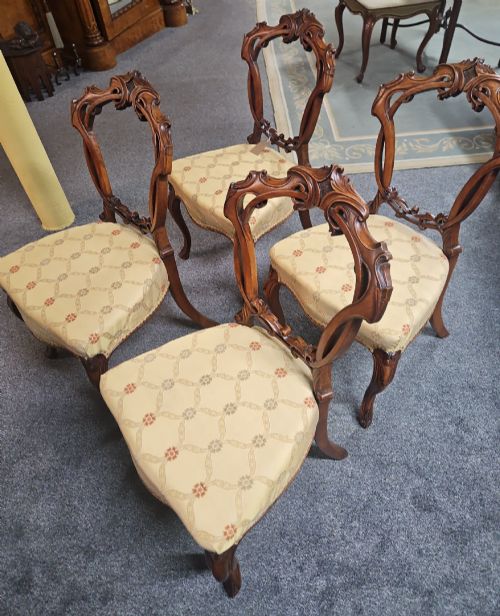
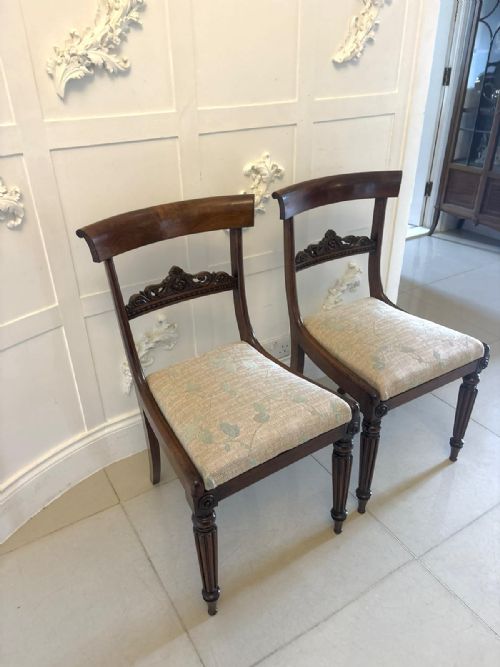
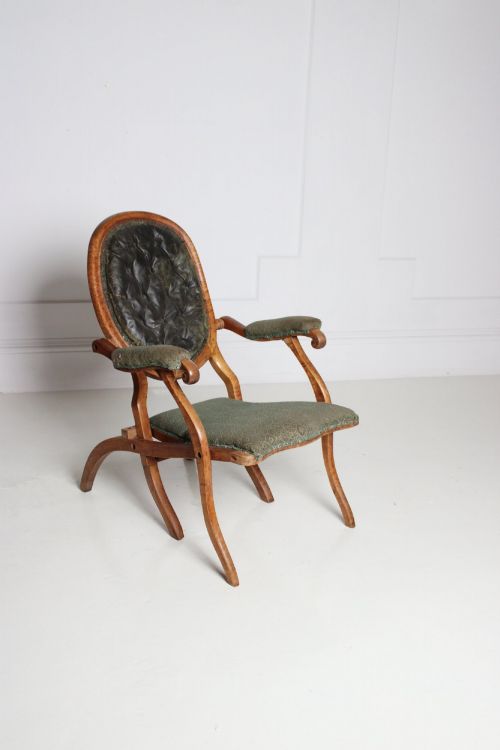
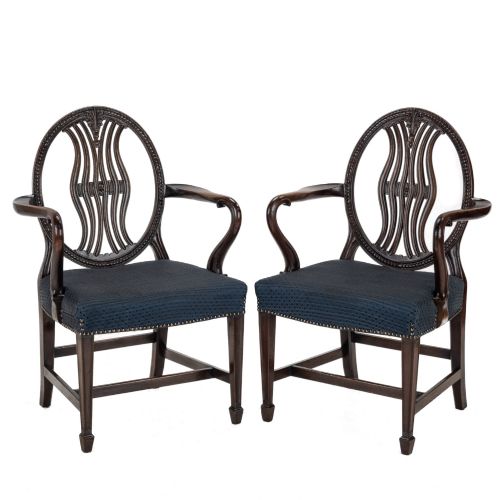


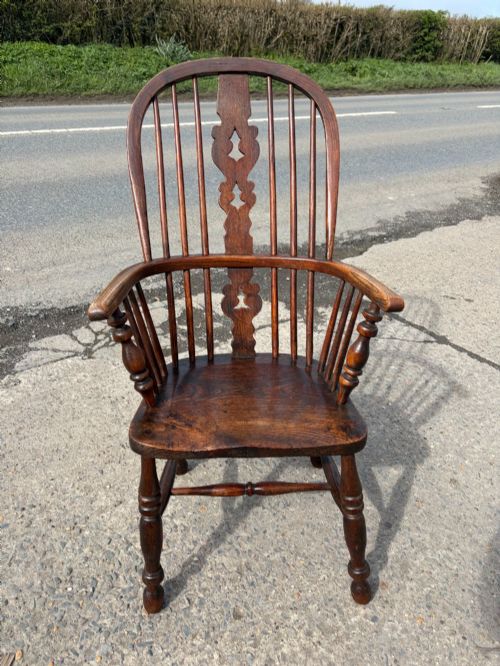
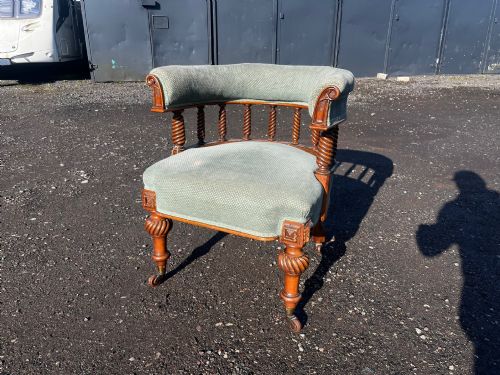


Nineteenth Century Desk Chair
A nineteenth century desk chair brings proper working weight and architectural timber to a study, built to anchor a room rather than tuck away.
Nineteenth Century Desk Chair
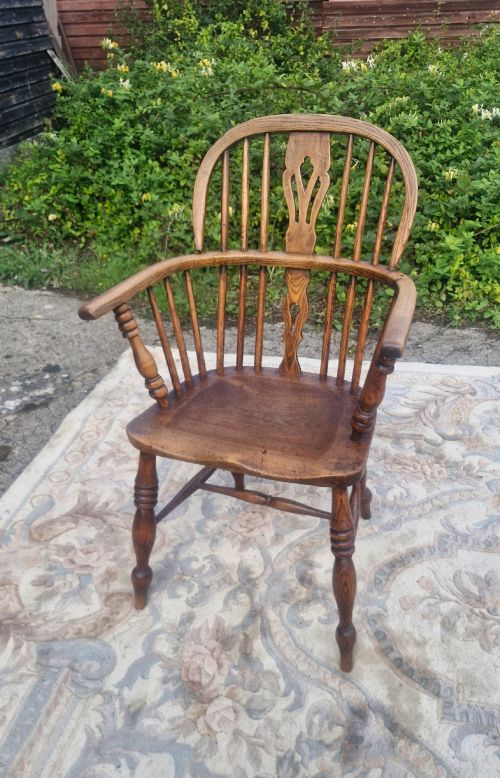
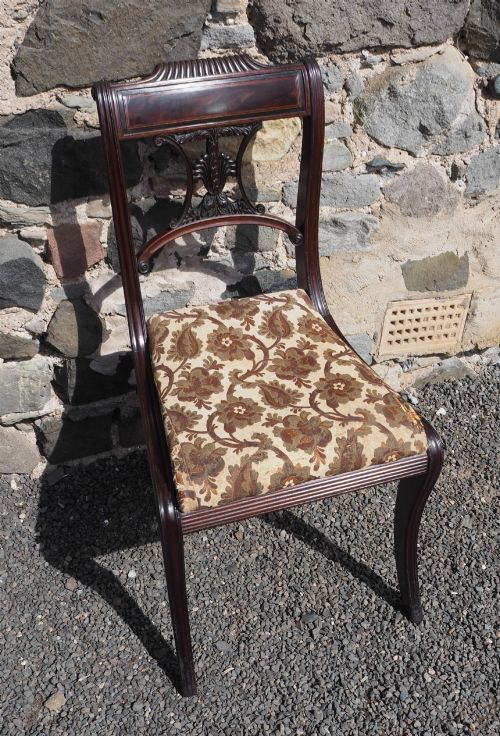
When hunting for a nineteenth century desk chair, expect to encounter sturdy revolving swivel models, leather-faced library armchairs, and timber-backed captain’s seats. The selection draws heavily on Victorian and Regency periods, leaning towards robust mahogany, walnut, and mixed fruitwood constructions.
Most examples originate from British workshops, though regional variations such as Scottish designs and country windsor armchairs appear frequently. These seats bridge the gap between domestic comfort and functional study furniture, often carrying the broader proportions typical of the nineteenth century.
Subtleties of standard
Quality rests in the integrity of the timber selection and the precision of the turning rather than mere ornamentation. Superior pieces demonstrate crisp carving in mahogany or walnut, with tight, uncompromised joinery at the stress points of the arms and back rail.
The sophistication of the mechanical parts separates standard seating from high-end library chairs. Smooth rotation in a swivel mechanism and original, patinated leather surfaces elevate an ordinary workspace seat into a notable example of period craftsmanship.
Several chairs bear the scars of nineteenth century readers who apparently found reading heavy volumes required vigorous spinning.
C. Hindley & Sons·Boston Chair Company·Holland & Son's·Gabbitass of Worksop
The Nineteenth Century Desk Chair Glossary
- Captain's chair
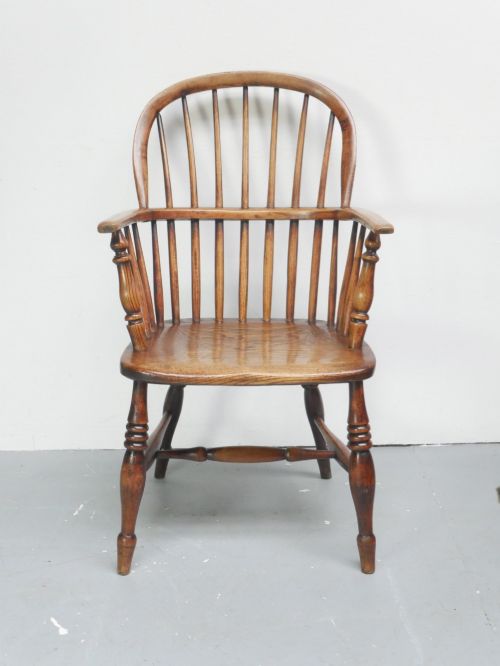
- A low-backed wooden armchair designed with a rounded top rail supported by spindles. These originated for practical use in offices and ships before finding favour in domestic studies.
- Windsor
- A traditional wooden chair constructed with a solid elm or hardwood seat into which the legs and back spindles are wedged directly. Regional variations include low-back and smokers bow formats.
- Swivel
- A mechanical pivot mechanism placed beneath the seat base to allow rotation. Nineteenth century versions often combined iron spindles with wooden underframes.
- Elbow chair
- A term historically used for any armchair with distinct arm supports flanking the seat. They provide a compact alternative to heavy library armchairs.
- Carver
- A nineteenth century term for an armchair that matched a set of smaller side dining chairs. They sat at the head of the table or served as occasional desk seating.
Nineteenth Century Desk Chair: Frequently Asked Questions
How do I identify a genuine period swivel chair?
Look beneath the seat for heavy iron and brass mechanisms that show hand-forged components and wear patterns consistent with age. The timber underframe should integrate the pivot housing without modern replacement screws.
Check the timber species and hand-cut joinery around the spindle junctions. True nineteenth century swivel actions move with a heavy, deliberate resistance unlike modern lightweight pivots.
Are these chairs suitable for daily computer work?
Many people use nineteenth century desk chairs daily, provided the seat height matches modern desk requirements. Solid wood and leather-faced versions offer robust support for writing and typing.
Keep in mind that older swivel mechanisms may not offer height adjustment. Adding a discreet, period-appropriate leather cushion can improve comfort without altering the chair.
What is the difference between a library chair and a captain's chair?
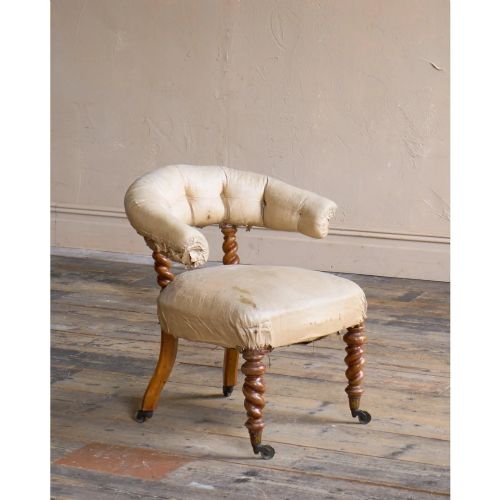
Library chairs are typically upholstered in leather or fabric with padded arms designed for long periods of reading. They prioritise cushioned comfort over exposed woodwork.
Captain's chairs feature exposed wooden staves, curved back rails, and solid timber seats. They function primarily as sturdy task seating rather than lounge furniture.
How should I care for nineteenth century leather upholstery?
Treat the leather surface with traditional animal fats or neutral waxes to maintain flexibility and prevent cracking. Avoid modern chemical cleaners that strip the original patina.
Position the chair away from direct sunlight and heat sources to protect the hide and the underlying horsehair stuffing from drying out.