


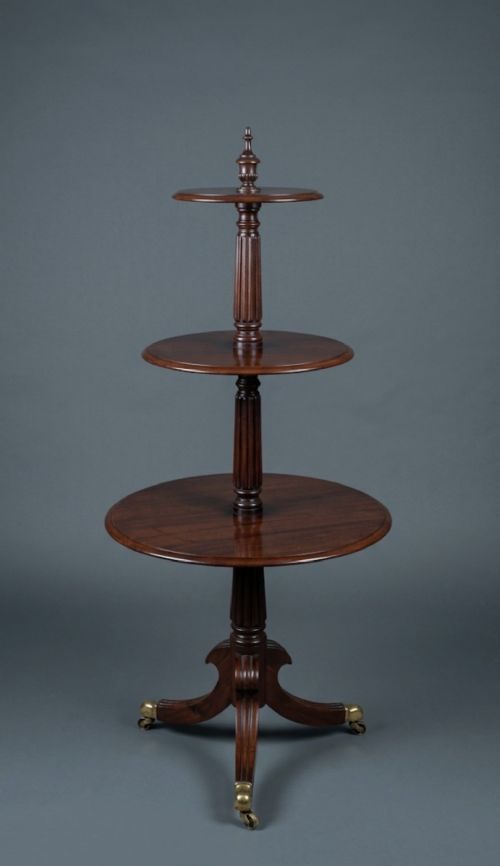

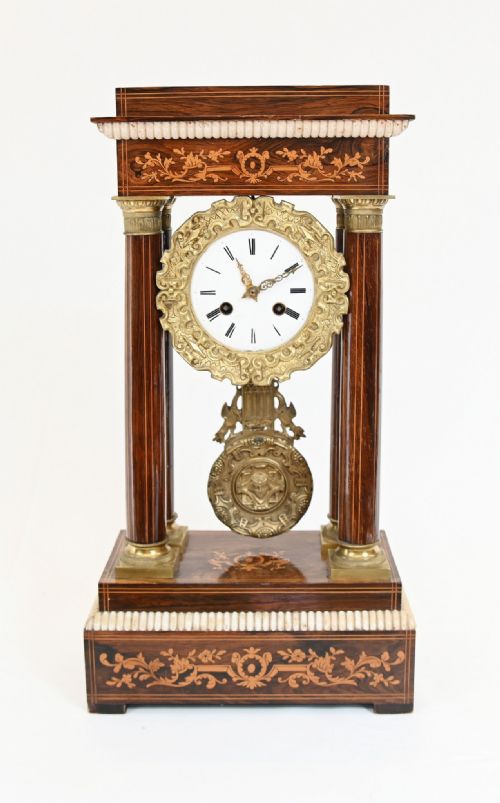
Nineteenth Century Columns
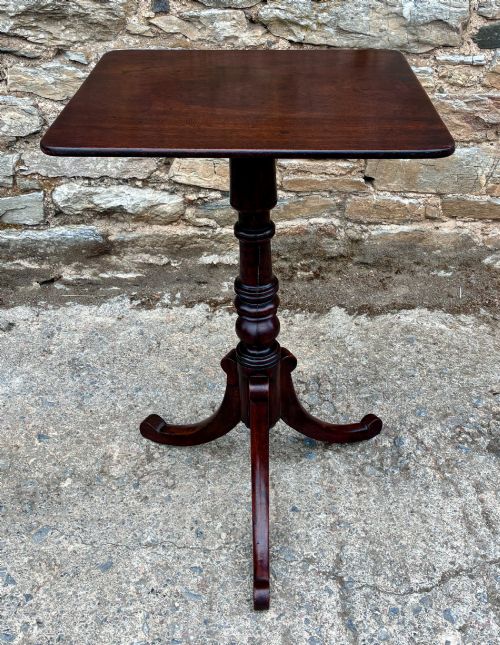
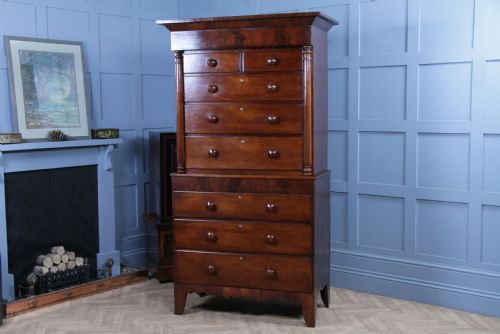
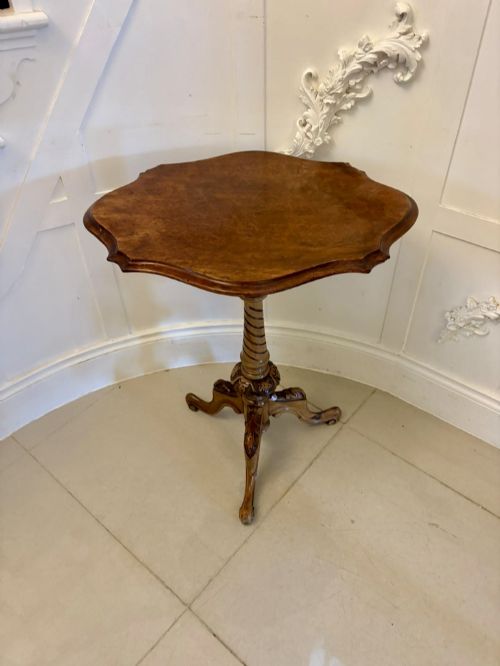
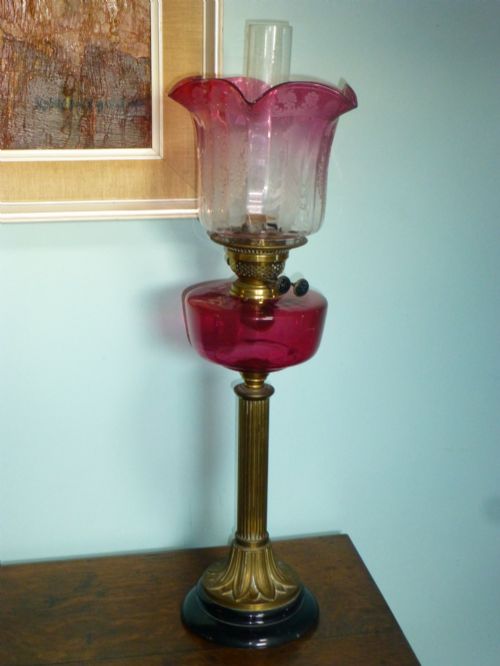
Nineteenth century columns bring structural elegance and classic proportions to a room, functioning as striking architectural display stands or lamp supports.
Nineteenth Century Columns
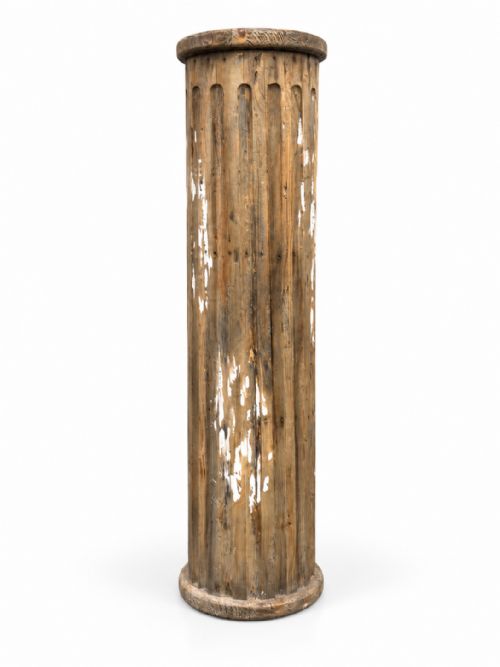
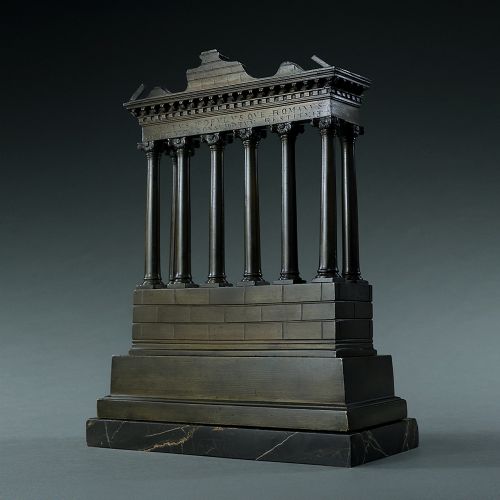
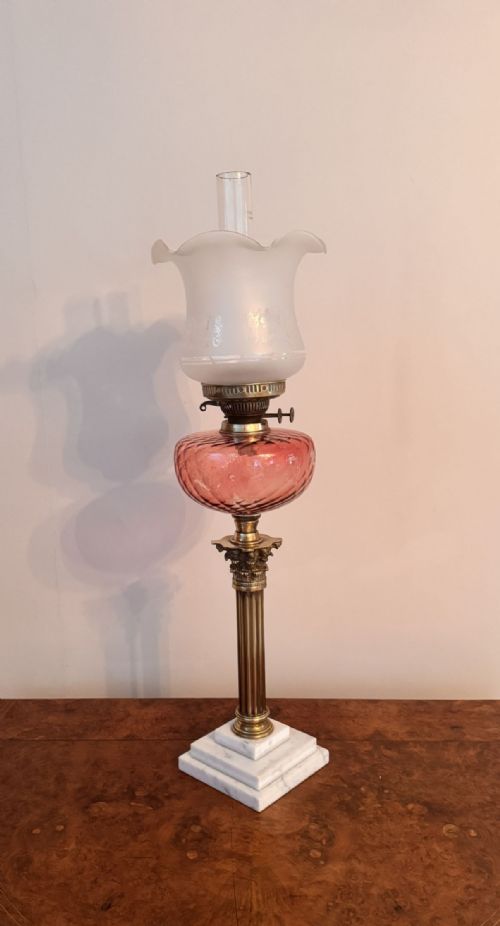
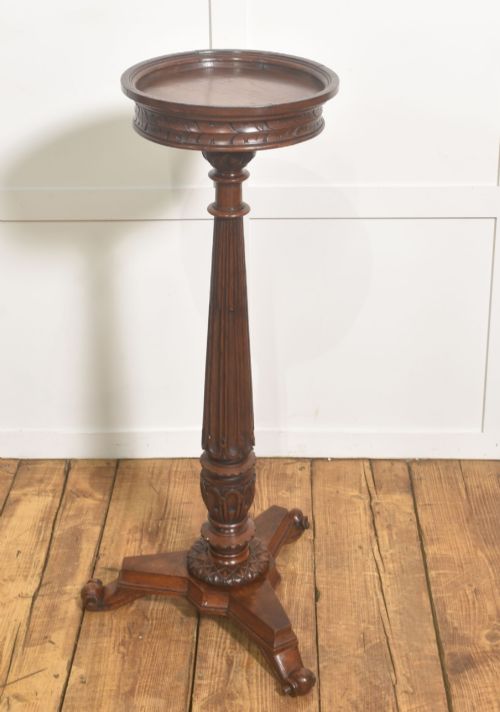
Nineteenth century columns appear across this page in various decorative forms, serving primarily as pedestals, plinths, and architectural lamp supports. Buyers searching for nineteenth century columns will encounter items ranging from tall display pedestals to bronze and marble lighting components.
The objects span multiple periods within the nineteenth century, including Regency, Victorian, and Georgian eras. Materials extend from rich hardwoods like mahogany and walnut to metals such as bronze, brass, and ormolu, alongside natural marble.
Form functions vary from French portico clock housings and plant stands to torcheres and specialised table lamps. Pieces frequently incorporate classical architectural orders, translating monumental stone architecture into domestic scale furniture and decorative arts.
Materials and Construction
Construction relies heavily on traditional cabinet-making techniques applied to dense timbers like mahogany, rosewood, and walnut, often paired with cast metals. Ormolu, bronze, and brass provide structural or decorative column shafts, sometimes accented with gilding or parcel-gilt details.
Stone elements utilise solid or veneered marble, including verde antico varieties, mounted on timber cores or metal bases. Turnery and joinery create the cylindrical or fluted profiles characteristic of column forms, occasionally incorporating hand-carved leaf motifs or lion's paw feet.
Nineteenth Century Columns Retail Price Guide 2026
Typical asking prices for nineteenth century columns among the pieces listed under this phrase on Sellingantiques today, from the lower quarter to the upper quarter. They describe what is for sale here now, not the wider market.
Evaluating Quality
Quality reveals itself in the crispness of the carving and the precision of the joinery where the column shaft meets its base and capital. Superior examples maintain structural integrity without excessive timber shrinkage or looseness in turned joints.
The choice and application of materials distinguish finer pieces, such as the depth of gilding on bronze mounts, the figuring of walnut or mahogany veneers, and the harmonious veining of marble sections. Metal components show refined chasing rather than crude casting marks.
The Nineteenth Century Columns Glossary
- Ormolu
- Gilded bronze, commonly utilised for decorative mounts, clock cases, and column capitals during the nineteenth century. This technique involves applying a mercury and gold amalgam to cast bronze before heating.
- Pedestal
- A free-standing vertical support or plinth designed to elevate a sculpture, vase, or lamp. These architectural supports often take the cylindrical form of a classical column.
- Torchere
- A tall stand or ornamental candlestick intended to hold a light source. In nineteenth-century examples, these frequently adopt the shape of a classical column.
- Portico clock
- A mantel clock featuring a architectural case supported by columns, reminiscent of a classical portico. These French timepieces often incorporate marble or mahogany structures.
- Verde antico
- A dark green serpentine marble breccia utilised for decorative columns and architectural elements. This stone presents distinctive white and lighter green veining throughout the surface.
Nineteenth Century Columns: Frequently Asked Questions
How were nineteenth century columns used?
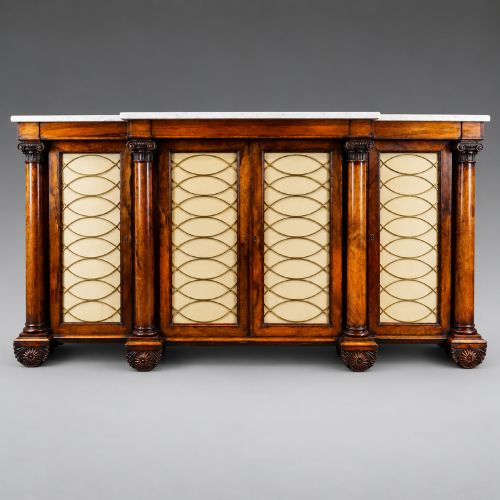
Nineteenth century columns served primarily as decorative display stands for sculptures and urns, or as architectural bases for lighting such as oil lamps and torcheres. Some forms were integrated directly into furniture like portico clocks, side cabinets, and console tables.
Domestic interiors utilised these items to introduce classical proportions and elevate decorative objects to eye level. Their dual function as structural supports and ornamental pieces made them versatile additions to grand reception rooms.
What materials are typical for these columns?
Common materials include dense hardwoods such as mahogany, walnut, and rosewood, often shaped into turned shafts. Metal elements like brass, bronze, and ormolu frequently provide contrasting capitals and bases.
Marble also appears regularly, ranging from solid column sections to decorative veneers like verde antico. Gilding, parcel-gilt accents, and faux lapis lazuli finishes further enhance the decorative surfaces of these pieces.
How do I date a nineteenth century column?
Dating relies on stylistic markers associated with specific periods like Regency, William IV, or Victorian eras. Examining construction methods, timber species, and mount styles helps narrow the production window.
For example, heavier neoclassical proportions often point toward the earlier decades, while later Victorian pieces may feature more eclectic or revivalist decorative details. Comparing the turning technique with documented cabinet-making styles provides additional chronological context.
Where should I place a column in my home?
Columns function effectively as freestanding display pedestals in corners, hallways, or living spaces to showcase sculptures, plants, or decorative vessels. Table lamps utilising column bases suit side tables, desks, or mantelpieces.
Ensuring stable floor placement is essential for taller wooden or marble pedestals, particularly in high-traffic areas. Pairing them with complementary period furniture helps integrate their classical architectural presence into a modern interior.