





Nineteenth Century Brass Weights
Nineteenth century brass weights are heavy, utilitarian objects of brass that bring tangible historic weight and genuine period character to modern spaces.
Nineteenth Century Brass Weights
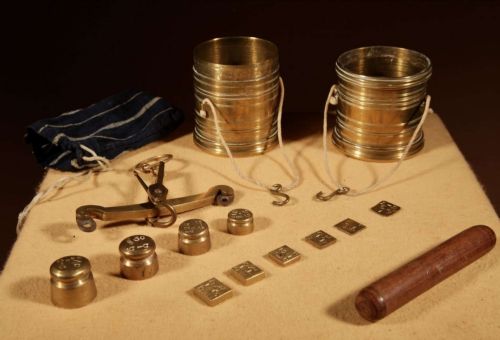
Nineteenth century brass weights encompass standard measuring sets such as imperial standards seen from the Victorian period. These items originate from utilitarian origins in trade and domestic spaces, surviving as collectable metalwork.
Buyers encountering nineteenth century brass weights typically find complete sets or individual pieces fashioned during the Victorian era. The evidence points directly to sets like imperial standard weights used for precise measurement.
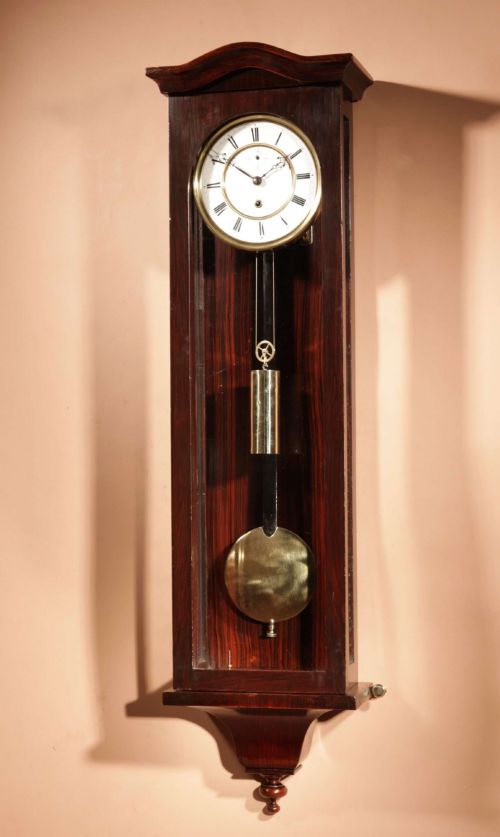
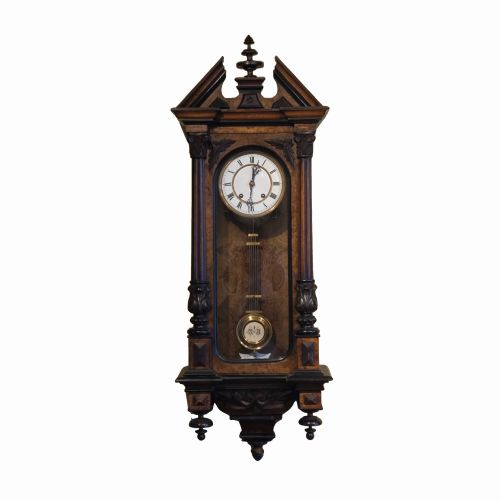
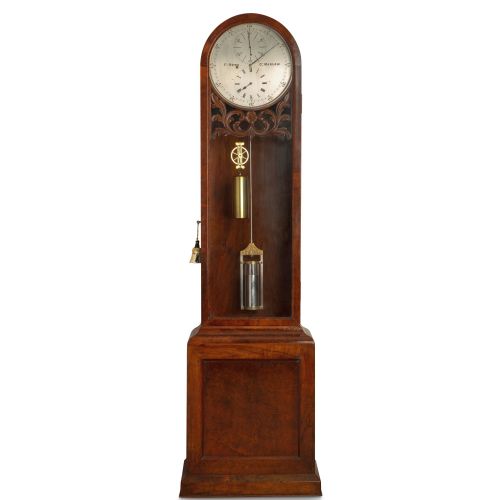
Beyond standard sets, related items from the same era incorporate brass components alongside wood and glass materials. These pieces reflect the broader material culture of nineteenth century craftsmanship.
How nineteenth century brass weights were made
Makers utilised cast brass to form the body of nineteenth century brass weights, ensuring durability and sufficient heft for accurate measurement. The metal was cast and finished to meet strict standards of the period.
Associated items from the evidence demonstrate the combination of brass with other materials such as wood, glass, and textile elements. This mixed-material approach highlights the varied construction techniques employed across nineteenth century workshops.
Nineteenth Century Brass Weights Retail Price Guide 2026
Typical asking prices for nineteenth century brass weights among the pieces listed under this phrase on Sellingantiques today, from the lower quarter to the upper quarter. They describe what is for sale here now, not the wider market.
Thirteen sturdy pieces make up the recorded imperial standard weight set, ready to hold down papers with historic authority.
What varies in quality in nineteenth century brass weights
The standard of nineteenth century brass weights depends on the precision of the casting and the clarity of any standardisation marks or stamps. Finer examples retain crisp surfaces and uniform proportions without excessive wear.
Completeness dictates distinction among surviving examples, particularly when evaluating sets of multiple pieces. Complete sets matching their original configuration hold greater integrity than scattered individual items.
The Nineteenth Century Brass Weights Glossary
- Imperial standard
- A legally defined measurement standard used in trade throughout the British Empire. Sets of these standards ensured uniformity across commerce.
- Cast brass
- An alloy of copper and zinc poured into a mould to shape objects. This technique provided the necessary density for accurate weighing equipment.
- Victorian
- Relating to the reign of Queen Victoria, spanning the nineteenth century. This period saw extensive standardisation in trade and manufacturing.
- Regency
- Pertaining to the period preceding the Victorian era, noted for specific stylistic developments in domestic and scientific objects.
Nineteenth Century Brass Weights: Frequently Asked Questions
What were nineteenth century brass weights used for?
Nineteenth century brass weights served an essential role in trade, commerce, and domestic settings for verifying accurate measurements.
They provided the exact counterbalance needed in scales to ensure fair exchange of goods in markets and shops.
How do I display nineteenth century brass weights?
These dense metal objects suit simple display on open wooden shelving or tabletops where their metallic finish stands out.
Grouping complete sets together preserves their historic context and visual impact within a room.
Are nineteenth century brass weights heavy?
Brass is a dense alloy, making these pieces surprisingly heavy for their physical size. This heft was necessary to function correctly on traditional balance scales.
Care must be taken when placing them on delicate surfaces to avoid scratching or indentations.
How do I identify Victorian brass weights?
Identification relies on observing standard shape, material composition, and any official verification stamps or markings present on the brass surface.
Comparing individual pieces against known imperial standard sets from the nineteenth century confirms their origin.