



Nineteenth Century Bottle
A nineteenth century bottle brings tactile domestic history to your room, spanning elegant scent flasks, decanters and utilitarian vessels.
Nineteenth Century Bottle
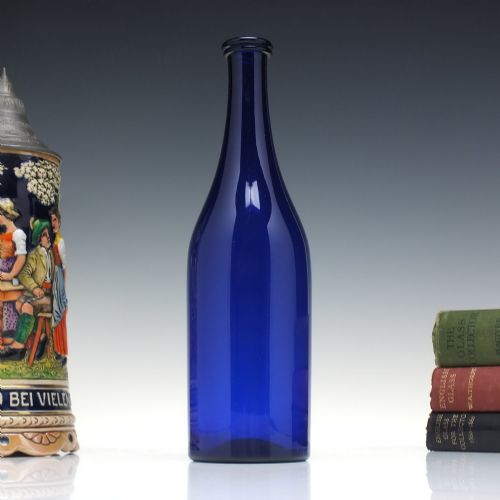
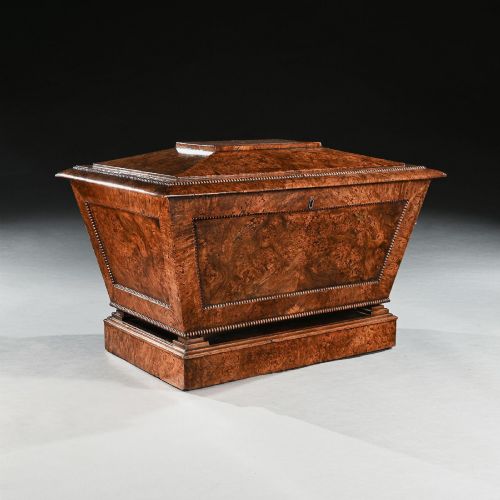
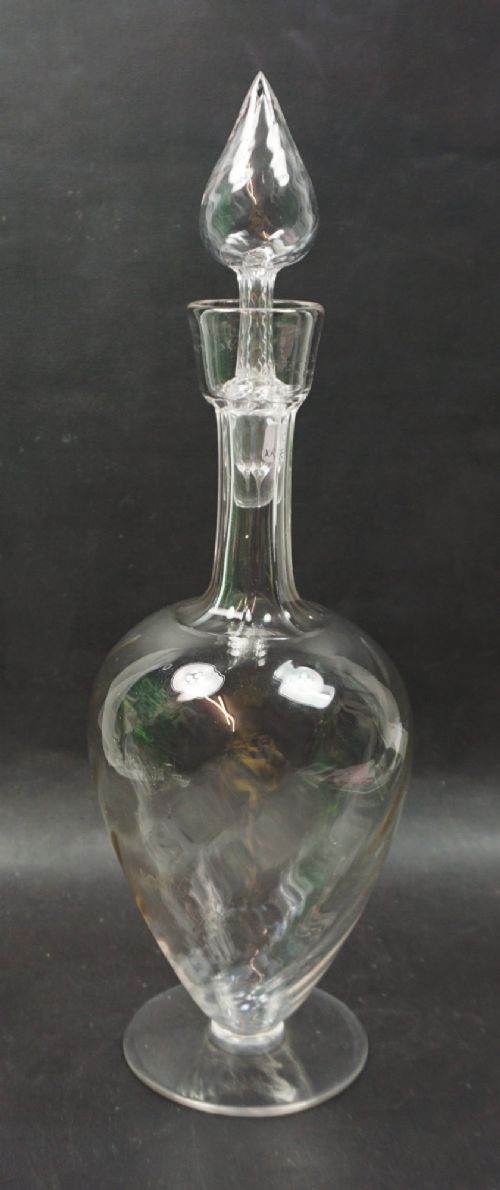
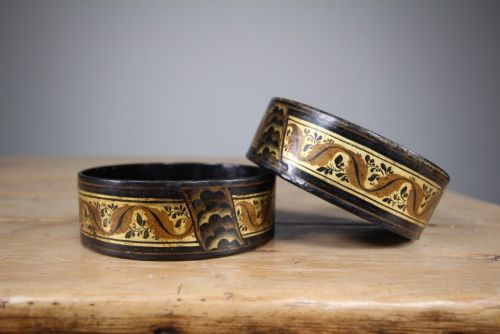
When you search for a nineteenth century bottle, you encounter a surprisingly broad range of domestic objects encompassing glass scent flasks, ceramic vases, and large mahogany wine cellarettes. These pieces originate from Victorian, Regency, and Georgian periods, showcasing diverse international influences from French workshops to Persian Qajar traditions.
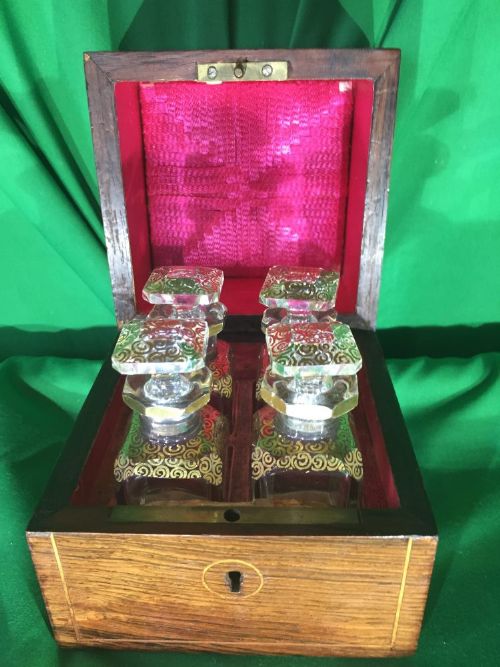
The versions you meet most often on this page are glass scent bottles housed in fitted rosewood or velvet-lined boxes, alongside crystal decanters and wooden wine coolers. Such vessels served practical storage and display functions in wealthy nineteenth-century households, reflecting the social rituals of dining and personal grooming.
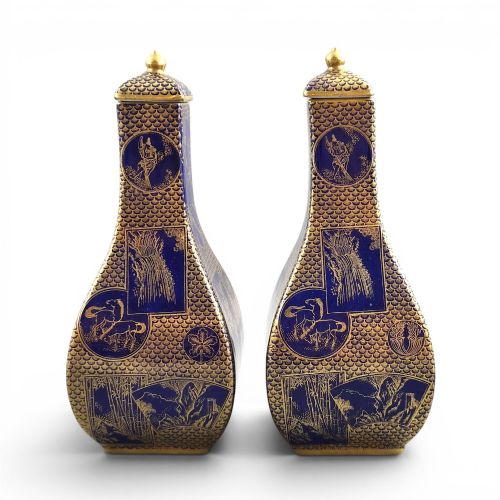
Makers utilised various regional styles, producing everything from folk art whimseys to elaborate Baccarat perfume sets and Mason's ironstone vases. Each object captures the distinct material culture of the nineteenth century, bridging utilitarian needs and decorative arts.
Materials and construction
Makers fashioned these pieces primarily from dense timbers such as mahogany and rosewood, often mounting them with brass details for durability and visual contrast. Woodworkers constructed cellarettes and cased boxes using traditional joinery, integrating fitted interiors to hold glass decanters and scent bottles securely.
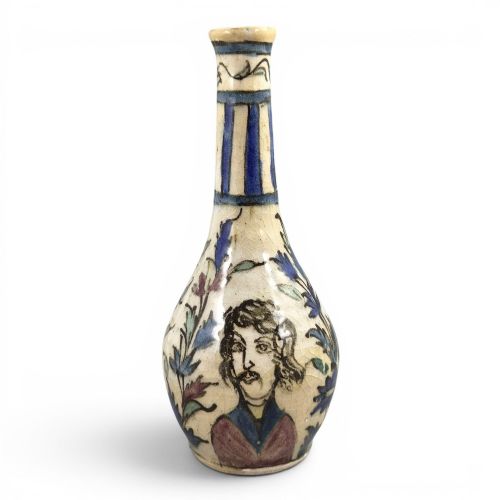
Glassworkers shaped crystal and colour over crystal glass through blowing and cutting techniques, occasionally incorporating sulphide figures like thistles. Potters utilised ironstone and earthenware, finishing vessels with painted or transfer-printed decoration such as portrait motifs.
Nineteenth Century Bottle Retail Price Guide 2026
Typical asking prices for nineteenth century bottle among the pieces listed under this phrase on Sellingantiques today, from the lower quarter to the upper quarter. They describe what is for sale here now, not the wider market.
Prisoners of war carved intricate glass and bone whimsey bottles during long maritime conflicts.
Evaluating quality and execution
Quality reveals itself in the crispness of the cut glass facets and the precision of brass mounts on wooden cases. Superior pieces display harmonious proportions, whether in the architectural lines of a mahogany cellarette or the delicate proportions of a silver-capped scent bottle.
The refinement of surface decoration distinguishes finer examples, from hand-painted Qajar pottery portraits to cleanly executed sulphide inclusions within solid glass dumps. The integrity of fitted interiors and original hardware further elevates a piece within its period.
Mason's·Baccarat
The Nineteenth Century Bottle Glossary
- Sulphide
- A small ceramic cameo embedded within clear glass during manufacturing. This technique produced white silhouette designs like thistles and portraits.
- Ironstone
- A heavy, durable type of ceramic patented in the nineteenth century as an alternative to porcelain. It accepted bright underglaze colours readily.
- Colour over crystal
- A glass manufacturing method involving a clear crystal core encased in a layer of coloured glass. Artisans then cut through the outer layer to reveal the clear glass beneath.
Nineteenth Century Bottle: Frequently Asked Questions
How do I display a glass scent bottle?
Glass scent bottles look effective placed on dressing tables, mantelpieces or within glass-fronted cabinets where light can pass through the material. Many nineteenth-century examples were originally housed in fitted wooden boxes lined with silk or velvet.
Keeping them out of direct, prolonged sunlight helps protect any delicate pigments or historic box linings.
What is a glass dump?
A glass dump is a heavy, solid glass object produced as a decorative paperweight or doorstop, often incorporating decorative air bubbles or sulphide figures inside. Workers typically made them from leftover molten glass at the end of a working day.
They display distinctive weight and tactile qualities that set them apart from hollow vessels.
How do I tell a Regency decanter from a Victorian one?
Regency decanters often feature geometric cut patterns, heavy target stoppers, and distinct ring collars around the neck reflecting neoclassical tastes. Victorian examples frequently embrace more eclectic styles, including colour over crystal techniques or engraved botanical motifs.
Examining the pontil mark on the base and the depth of the glass cutting helps indicate the period of manufacture.