




Neutral Lounge Chairs
Neutral lounge chairs are versatile seating options that bring understated elegance and comfort to any interior scheme.
Neutral Lounge Chairs
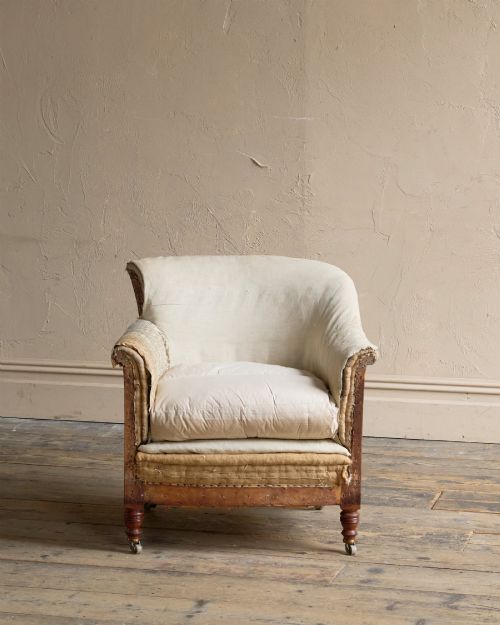
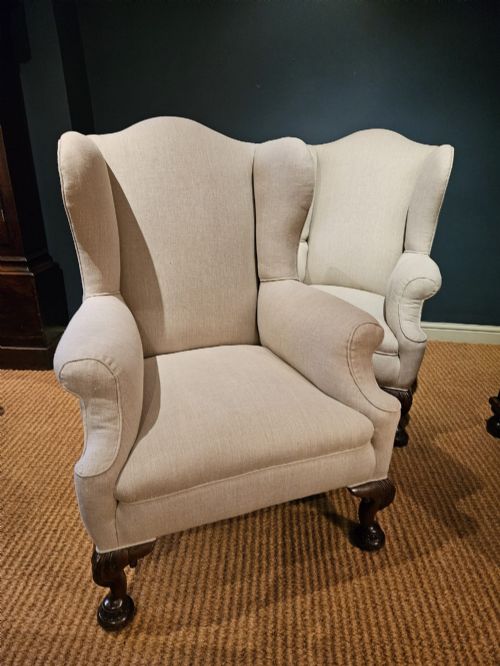
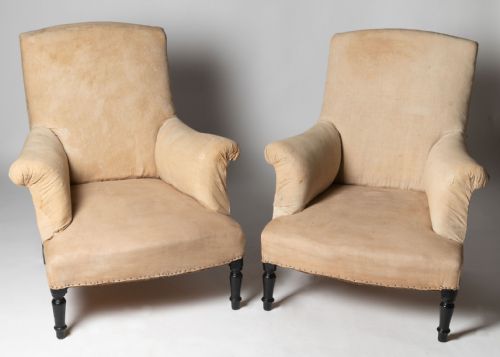
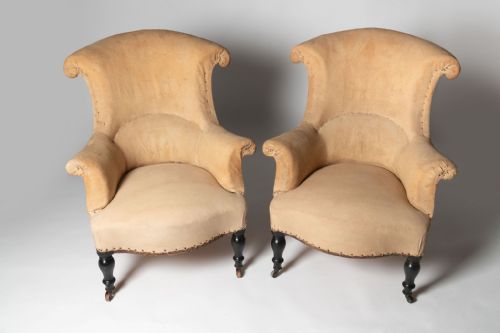
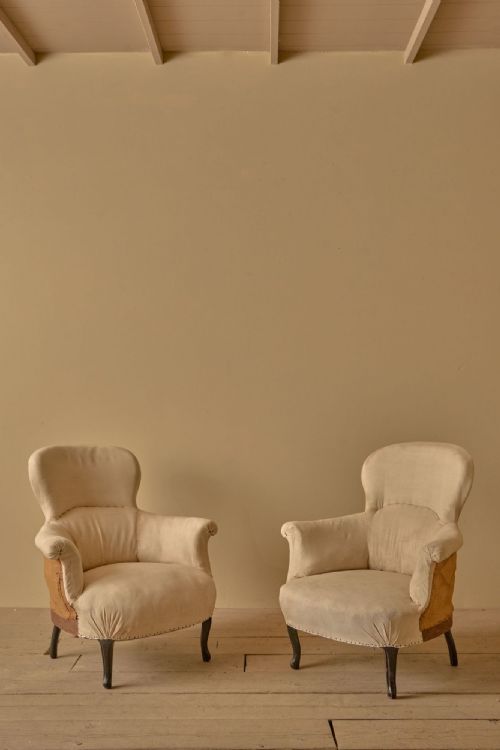
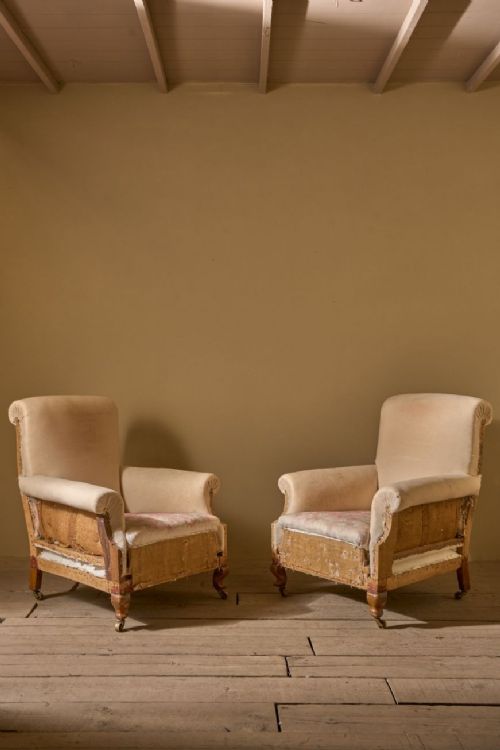
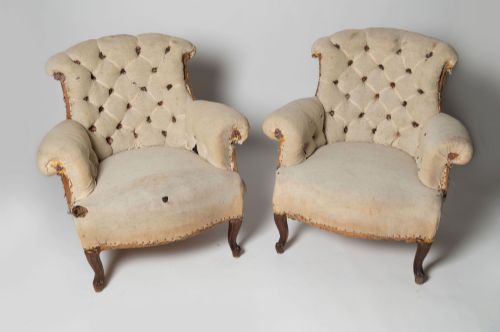
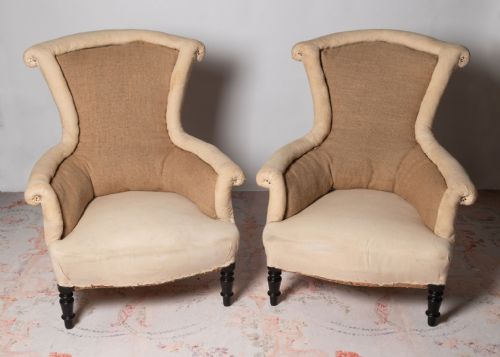
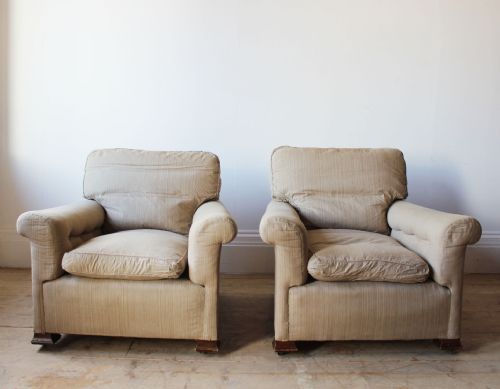
Neutral lounge chairs encompass an array of comfortable armchairs and chaise longues spanning the nineteenth century, the Edwardian era, and mid twentieth century production. These seats offer restful seating through deep proportions and supportive backs.
Chaise longues appear alongside standard armchairs, including Regency rosewood examples and antique upholstered variants with concealed storage. Styles draw upon English country house traditions, French Napoleon III design, and Swedish Gustavian aesthetics.
How they were made
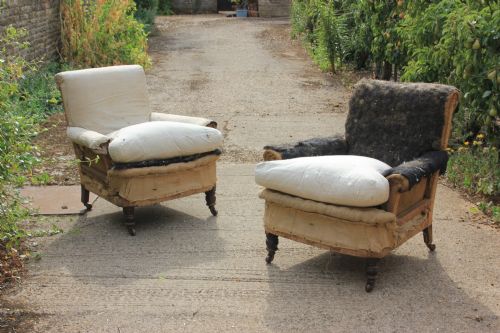
Framings rely on traditional timbers including beech, rosewood, and general wood or timber. These robust internal structures provide the necessary foundation for deep seated upholstery and supportive scroll backs.
Upholstery relies on tactile natural textiles such as linen, calico, hessian, and brass details. Painted finishes and exposed woodwork complete the construction of these historical seats.
Neutral Lounge Chairs Retail Price Guide 2026
Typical asking prices for neutral lounge chairs among the pieces listed under this phrase on Sellingantiques today, from the lower quarter to the upper quarter. They describe what is for sale here now, not the wider market.
One antique chaise longue includes concealed storage, perfect for keeping stray reading materials out of sight.
What varies in quality
The distinction between ordinary and superior pieces rests upon the integrity of the wooden framework and the fidelity of the designated style, whether English country house or French Louis. Heavier timbers like rosewood and beech indicate enduring structural pedigree.
Upholstery choices also define the tier of a piece, with high quality calico, linen, and hessian foundations providing superior tactile presence. Subtle decorative elements such as brass detailing elevate certain examples above simpler vernacular builds.
The Neutral Lounge Chairs Glossary
- Calico
- A plain woven cotton textile often used as an initial upholstery layer or a neutral top cover. It provides a clean, understated aesthetic suited to traditional armchair frames.
- Hessian
- A coarse woven fabric typically utilised for internal webbing and upholstery support in antique seating. This durable material underpins the deep comfort of traditional armchairs.
- Scroll back
- A chair back design curving outward at the top rail in a scroll shape. This profile characterises nineteenth century English country house armchairs.
- Gustavian
- A Swedish neoclassical style originating in the late eighteenth century and extending into the nineteenth century. It is known for restrained forms and pale painted finishes.
Neutral Lounge Chairs: Frequently Asked Questions
What defines a neutral lounge chair?
Neutral lounge chairs are seating pieces upholstered in understated fabrics like linen, calico, and hessian. They span various historical periods from the nineteenth century to the twentieth century.
These chairs prioritise comfort and versatility, blending seamlessly into diverse interior schemes through muted tones and classic silhouettes.
How do I identify a Regency chaise longue?
Regency chaise longues date from the early nineteenth century and typically exhibit classical architectural lines. They are designed for reclining and often feature exposed timbers such as rosewood.
These elongated seats combine supportive backrests with extended platforms for resting the legs, reflecting the neoclassical tastes of the period.
Where do English country house armchairs originate?
English country house armchairs emerge from a tradition of domestic comfort prioritising deep proportions and relaxed cushioning. They often feature scroll backs and traditional upholstery materials.
These pieces were built for country residences where comfort and durability were paramount, resulting in inviting seating designs that endure today.
What is Swedish Gustavian style?
Swedish Gustavian style draws upon French neoclassical design adapted to a lighter, more restrained Scandinavian aesthetic. It frequently incorporates pale painted woodwork and balanced proportions.
Pieces from this tradition offer a serene visual quality that complements neutral textiles and contemporary minimalist interiors alike.