




Neoclassical Wall Paper
These neoclassical wall paper pieces are framed prints and architectural engravings that bring classical antiquity into a room.
Neoclassical Wall Paper
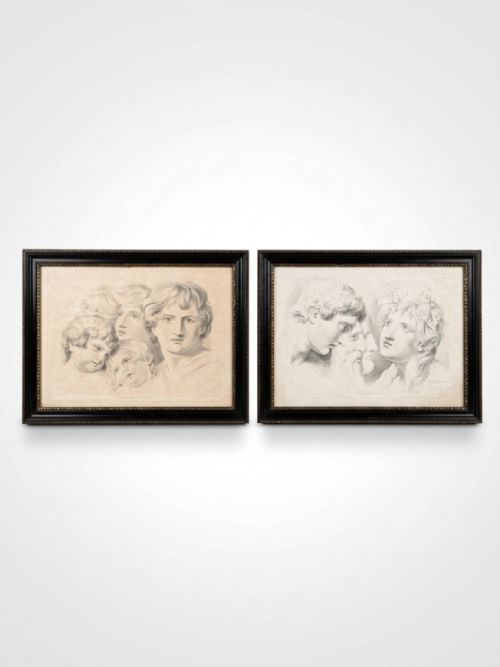
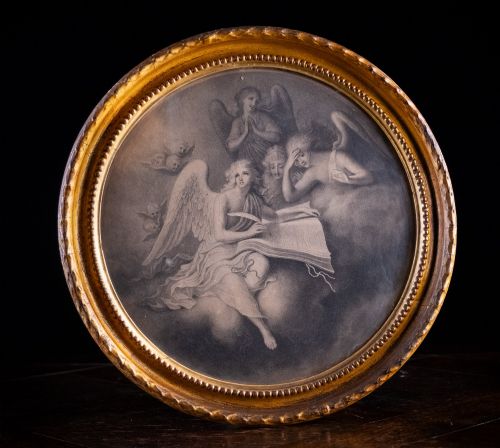
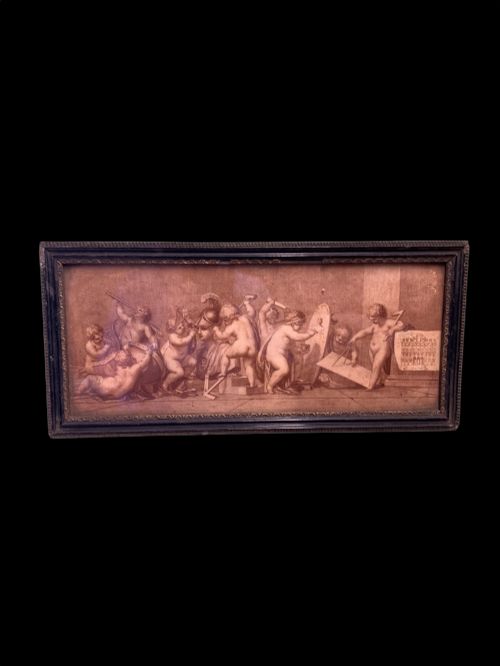
When searching for neoclassical wall paper, buyers discover framed prints, architectural engravings, and watercolours that reflect classical design. These works record ancient temples, mythological figures, and classical motifs intended for interior decoration.
The pieces appearing on this page span the seventeenth, eighteenth, and nineteenth centuries, alongside later twentieth-century examples. Eighteenth-century engravings form the core of the selection, documenting architectural ruins and classical sculpture.
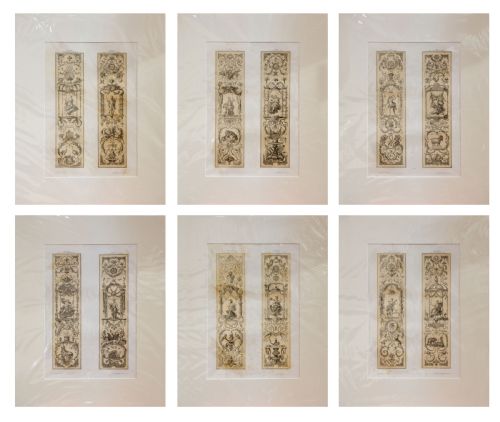
Subjects range from the Vatican loggie and Athenian antiquities to Grand Tour watercolours of Pompeii. Buyers select these works to mount on walls in the manner of period paper panels or decorative schemes.
Materials and methods
The works utilise paper as the primary support, marked with ink through engraving, etching, or lithography. Some sheets receive hand-applied watercolour to heighten architectural details and figures.
Surviving examples frequently retain wooden framing, occasionally complemented by glass and giltwood mouldings. Gold leaf highlights appear on select pieces to accent the classical subjects.
Printmakers employed steel or copper plates to transfer intricate lines onto paper. Charcoal and ink drawings provide alternative graphic mediums within the selection.
Several eighteenth-century plates meticulously record mythological serpents and satyrs from Athenian antiquities.
Judging the work
Quality rests upon the crispness of the plate impression and the fidelity of the architectural draughtsmanship. Earlier printings from eighteenth-century copper plates yield sharper lines than subsequent impressions.
The condition of the paper substrate and the integrity of any applied watercolour pigment influence the visual impact. Untouched sheets with strong plate margins command greater attention from collectors.
The involvement of documented engravers and publishers elevates certain prints above standard decorative plates. Provenance connecting pieces to Grand Tour collections adds historical context.
Simon François Ravenet·Pierre Buillon·Henri Chatillon·Francesco Piranesi·James Basire·Edward Rooker·Ottaviani·Pablo Picasso
The Neoclassical Wall Paper Glossary
- Engraving
- A printmaking technique where an artist cuts lines into a metal plate using a burin. The resulting incisions hold ink to produce detailed, sharp imagery on paper.
- Grand Tour
- A traditional trip through Europe undertaken by upper-class Europeans to study classical art and architecture. Travellers collected prints, watercolours, and antiquities to bring home.
- Lithography
- A planographic printing process based on the mutual repulsion of oil and water. Artists draw on limestone or metal plates to create multiple impressions.
- Giltwood
- Wood carved and coated with a thin layer of gold leaf or powder. This finish appears on period frames enclosing classical prints.
- Vatican Loggie
- A corridor in the Apostolic Palace decorated with Raphael's Renaissance grotesques and classical motifs. Eighteenth-century printmakers recorded these designs in extensive series.
Neoclassical Wall Paper: Frequently Asked Questions
How do I hang architectural prints?
These framed prints mount securely on walls using standard picture hooks suited to the weight of the wood and glass. Grouping matching sets in symmetrical arrangements reflects historic display methods.
Keep frames away from direct sunlight to protect the paper and ink from fading over time. Stable indoor humidity preserves the condition of both the paper and the framing.
What periods do these prints cover?
The listings span from the seventeenth century through to the twentieth century, with a concentration of eighteenth-century material. Each era brings distinct printing techniques and stylistic interpretations of classical subjects.
Eighteenth-century plates often document Athenian antiquities and Roman architecture with rigorous precision. Later twentieth-century works offer modernist interpretations of classical forms.
Are these original eighteenth-century prints?
The selection includes period engravings produced during the eighteenth and nineteenth centuries from contemporary plates. Paper stocks, plate marks, and printing characteristics help identify the era of production.
Examining the ink and paper under magnification assists in verifying the age of each print. Publisher details and plate numbers frequently appear in the margins.
How were classical prints used originally?
Wealthy collectors bound architectural engravings into large volumes or framed them to adorn panelled walls. These images served as educational tools and decorative reminders of classical travels.
Series depicting the months or ancient ruins were often hung together as unified decorative schemes. They allowed owners to display an appreciation for classical antiquity within domestic interiors.