


Neoclassical Pedestal
When you search for a neoclassical pedestal, you find classical stone columns, marble columns, and sturdy bases designed to elevate sculpture, urns, and lamps.
Neoclassical Pedestal
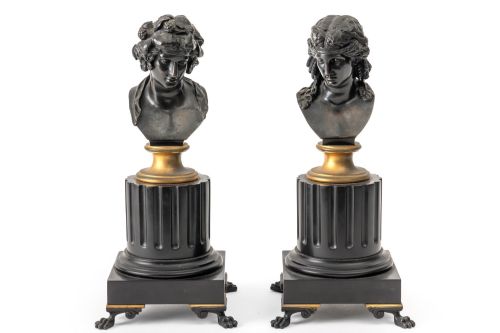
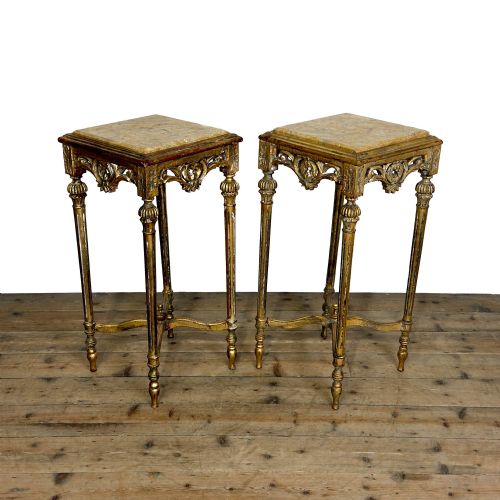
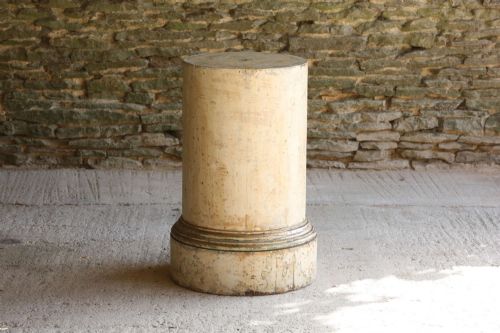
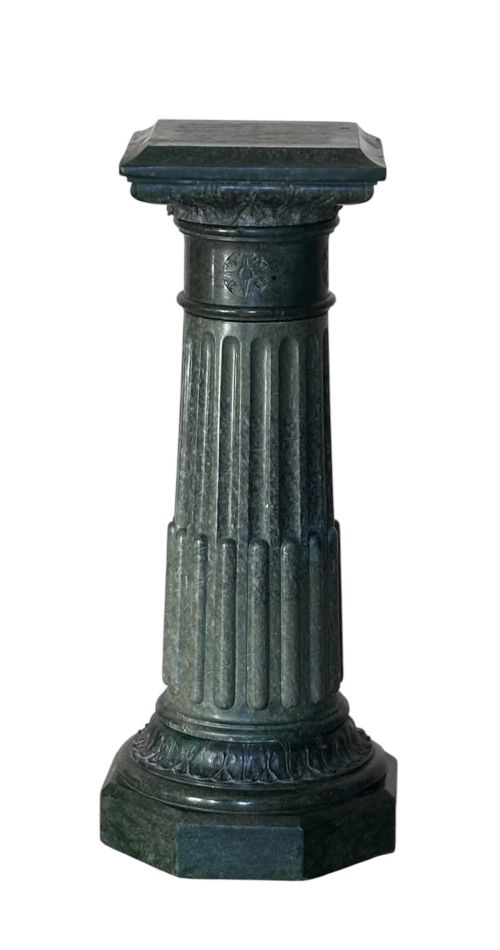
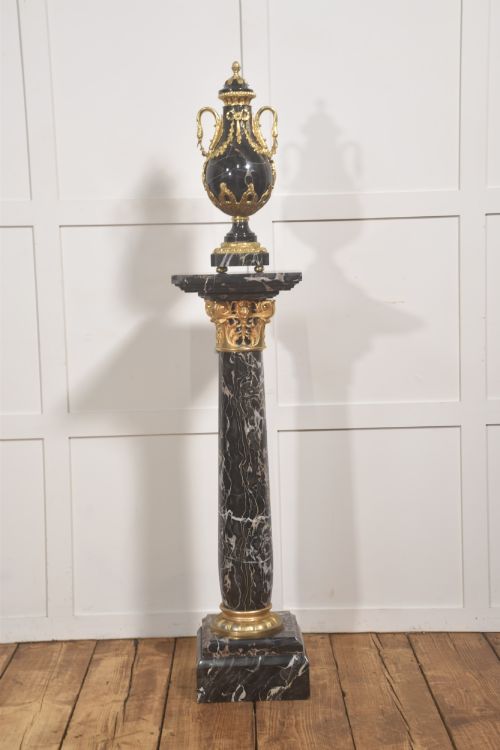
A neoclassical pedestal serves as a sturdy architectural support for decorative urns, busts, and lighting. These pieces take the form of stone columns, marble plinths, and fitted stands originating from the nineteenth century, Georgian, and Victorian eras.
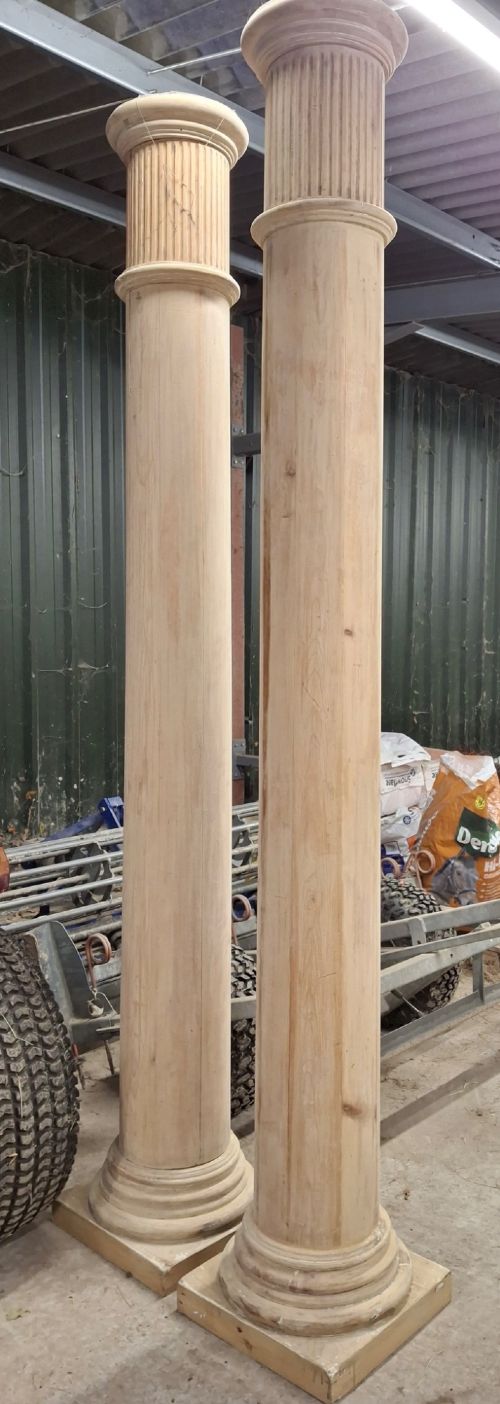
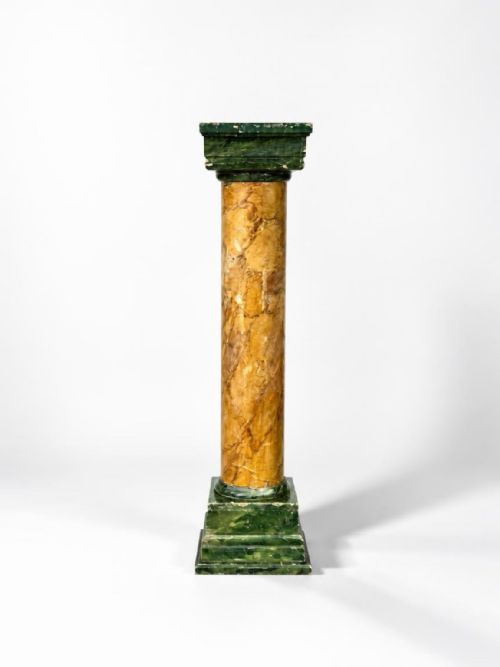
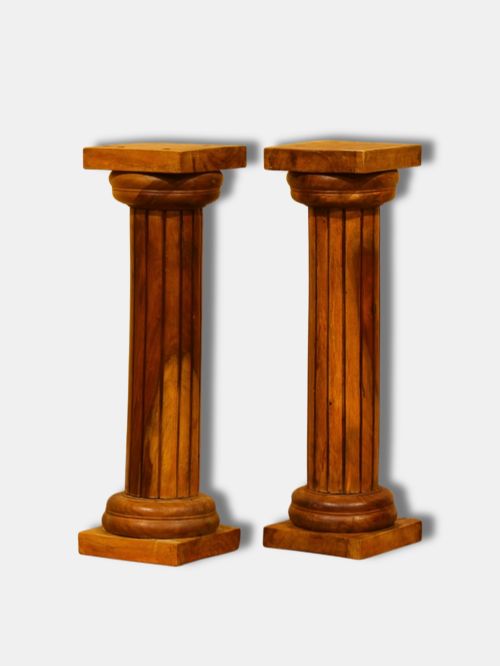
In this selection, buyers frequently encounter heavy stone columns in onyx, Bardiglio, and Carrara marble, alongside cast stone garden bases and occasional wood designs. They carry the classical proportions, fluting, and restrained ornamentation associated with the revival of antiquity.
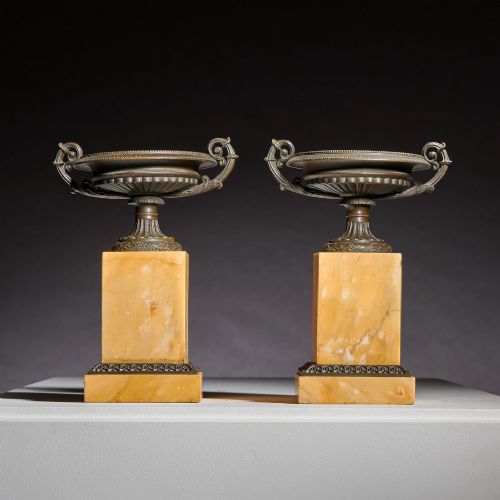
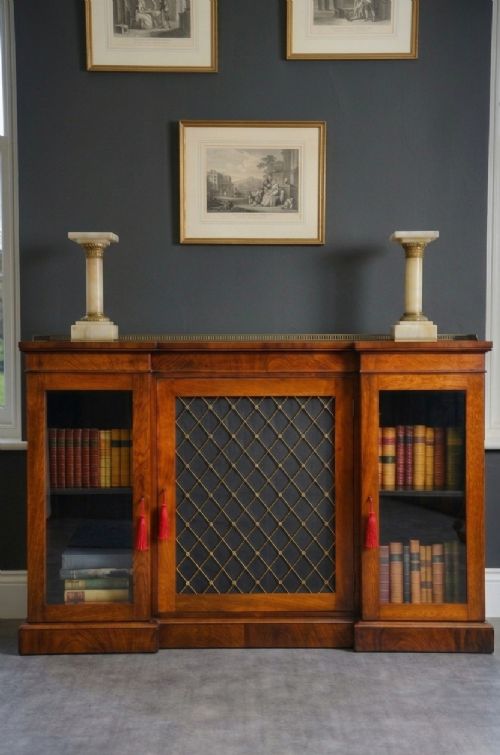
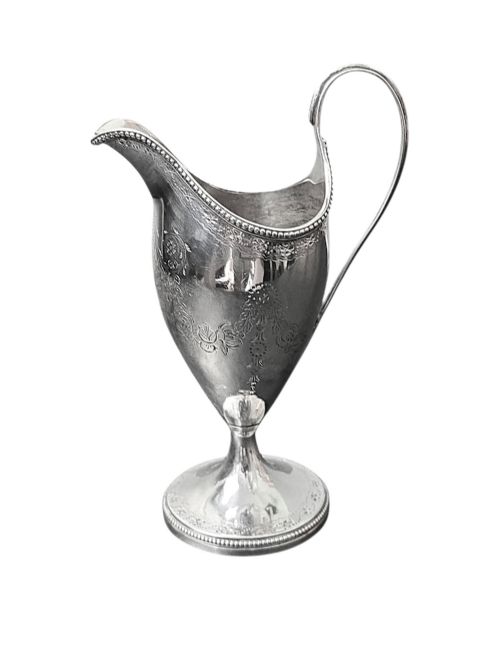
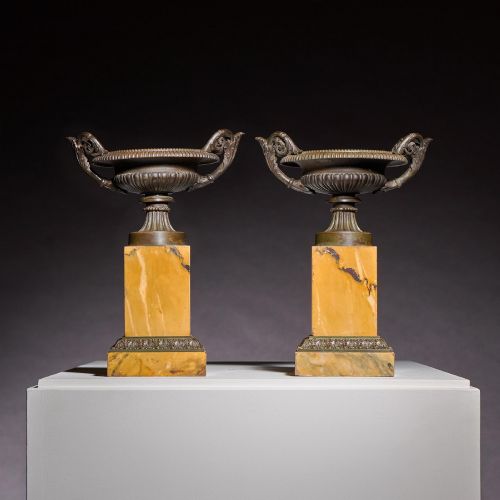
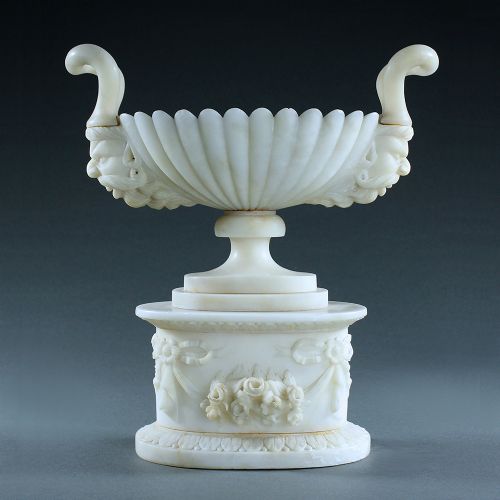
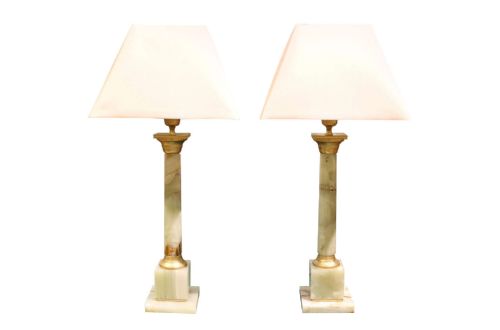
The objects atop or associated with these stands range from bronze and Siena marble tazzas to porcelain vases and alabaster lamps. Each configuration reflects the enduring nineteenth-century fascination with Grand Tour antiquities and classical design principles.
Materials and construction
Makers utilised a combination of hardstones, cast metals, and dense timbers to construct these supports. Marble, alabaster, and cast stone provide the solid mass required for columns and basin bases, while bronze and ormolu supply crisp ornamental collars and mounts.
Lapidary techniques shaped the variegated marbles such as Rosso Antico and Verde Antico into smooth columns and carved tazzas. Foundry casting produced detailed bronze and brass components, which were then hand-chased and fire-gilded to complement the polished stone surfaces.
Neoclassical Pedestal Retail Price Guide 2026
Typical asking prices for neoclassical pedestal among the pieces listed under this phrase on Sellingantiques today, from the lower quarter to the upper quarter. They describe what is for sale here now, not the wider market.
Listings feature 19th-century marble and bronze items alongside Edwardian cast stone pieces and 1920s alabaster lamps.
Judging quality in neoclassical pieces
Quality rests upon the selection of materials and the precision of the carving. Superior examples display tightly figured marble with harmonious veining, clean architectural fluting, and sharply cast ormolu mounts that fit flush against the stone.
Lesser items rely on simpler cast stone without hand-finishing or feature mismatched components assembled at later dates. The integration between the column shaft, capital, and base reveals the hand of a skilled workshop rather than standard production.
Benedetto Boschetti·Mercier Frères·Helena Wolfsohn·Henry Chawner
The Neoclassical Pedestal Glossary
- Grand Tour
- A traditional trip through Europe undertaken by young upper-class men to collect art and antiquities. Souvenirs from these journeys included miniature bronzes and marble architectural fragments.
- Ormolu
- Gilded bronze produced by applying a mercury and gold amalgam to cast bronze. This technique creates a rich golden surface found on mounts and decorative vessels.
- Tazza
- A shallow saucer-like dish mounted on a stem and foot, often used for display. In neoclassical design, these are carved from solid marble or cast in bronze.
- Scagliola
- A composite material made from selenite, glue, and pigments, mimicking true marble. Artisans inlay and polish this mixture to create convincing faux-stone columns and table tops.
- Rosso Antico
- A deep red antique marble prized for classical sculpture and architectural ornaments. Roman quarries originally sourced this dense stone.
Neoclassical Pedestal: Frequently Asked Questions
What is a neoclassical pedestal used for?
These pieces function primarily as elevated platforms to display bronze sculptures, marble busts, and large decorative urns. By raising the artwork, they draw the eye and provide a distinct focal point within a room.
They also serve as structural bases for heavier table lamps and jardinières. Their solid weight ensures stable support for valuable decorative objects.
How do I identify nineteenth-century marble?
Examine the weight, temperature, and natural veining patterns of the stone surface. Nineteenth-century pieces often utilise specific regional marbles like Carrara, Siena, or Bardiglio, showing hand-polished finishes rather than modern machine perfection.
Look closely at the underside and joinery points for signs of hand-chiselling or older assembly methods. The presence of aged patina and minor wear along the base edges confirms long periods of use.
Where should I place a stone column?
Position these heavy supports in corners, entryways, or flanking a fireplace where they will not be easily knocked over. Their considerable mass requires stable flooring, particularly when holding heavy marble or bronze objects.
Ensure the surrounding space allows the architectural lines of the column to remain visible without crowding. Placing a compatible urn or bust on top completes the traditional display arrangement.
What is the difference between cast stone and marble?
Cast stone is a manufactured mixture of cement, aggregates, and pigments poured into moulds to replicate carved stone. It provides a heavy, durable option well-suited for garden urns and architectural planters.
Natural marble is quarried from the earth, possessing unique crystalline structures and natural veining that cannot be duplicated in a mould. Marble pieces are typically polished to a smooth finish and reserved for indoor display.