

Neoclassical Metal Urn
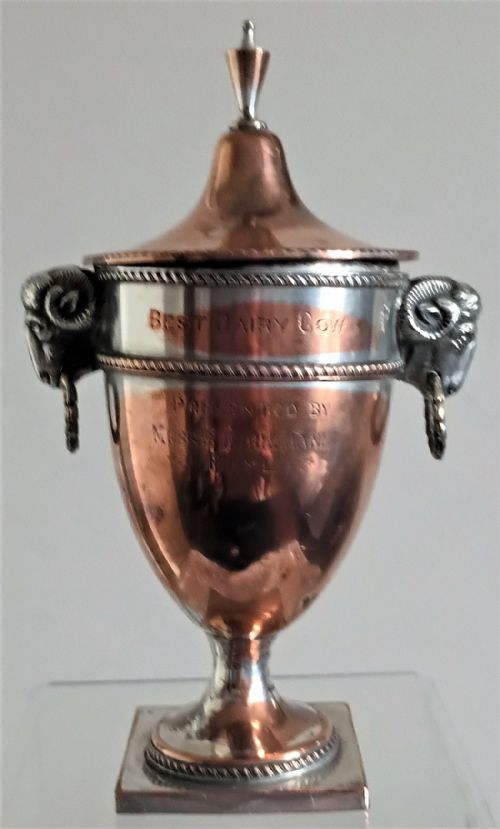
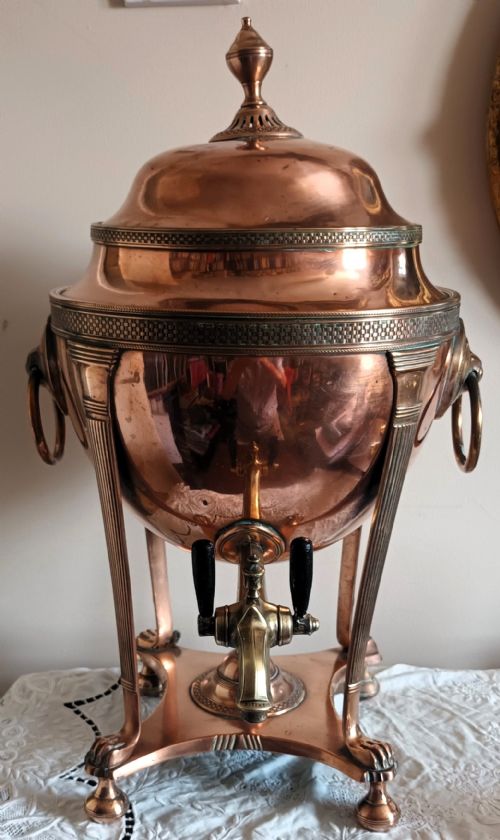
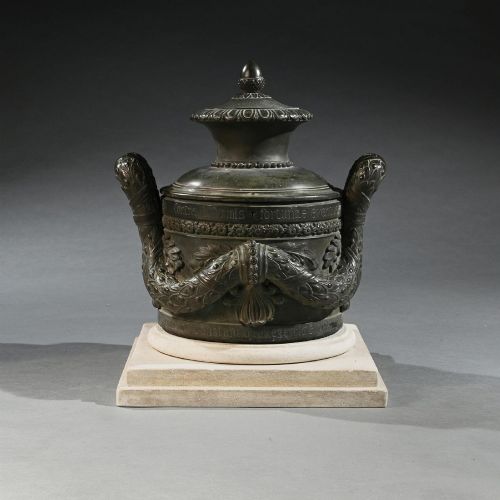
A neoclassical metal urn brings formal classical proportion to a room through cast bronze, marble and ormolu.
Neoclassical Metal Urn
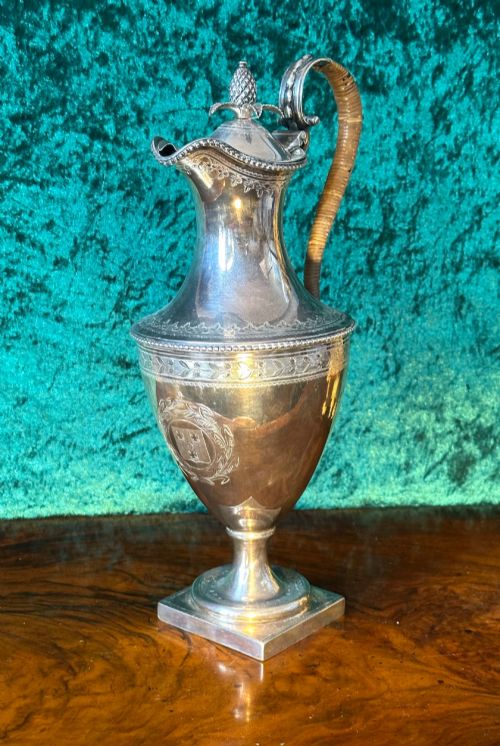
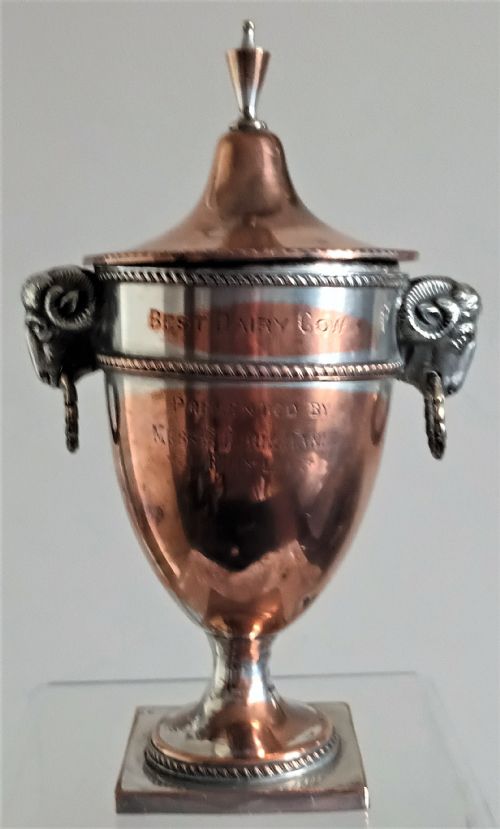
A neoclassical metal urn takes formal cues from antiquity, channelling archaeological discoveries into decorative objects, garden vessels and table lamps. These pieces draw on Georgian, Victorian, French Empire and Regency design vocabulary, translating ancient forms into domestic ornaments.
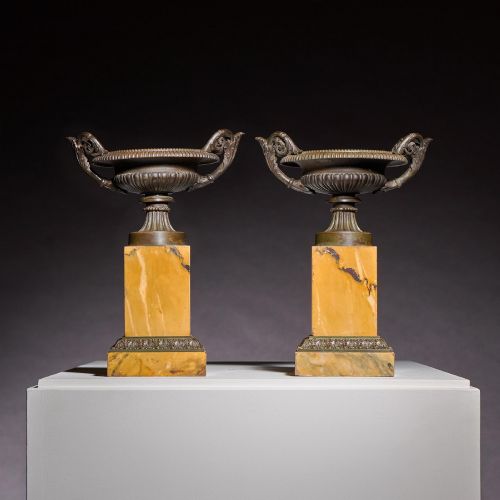
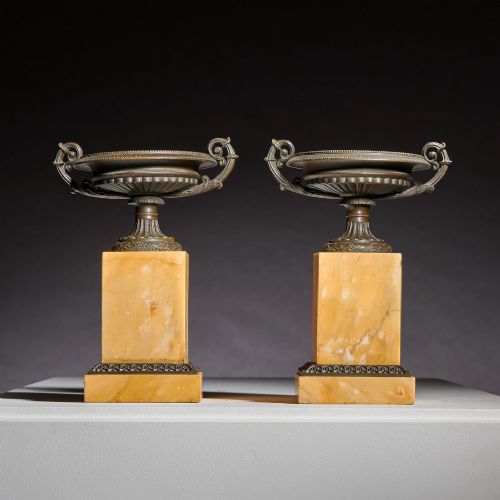
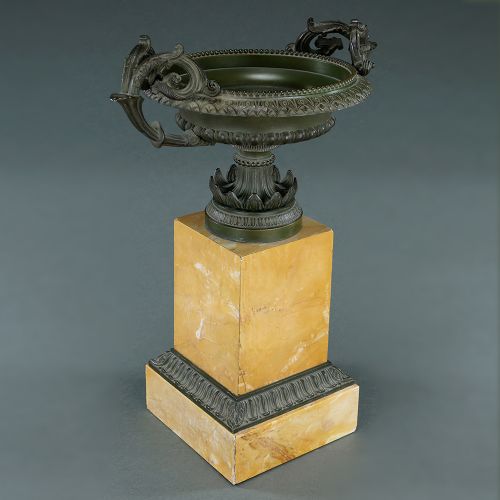
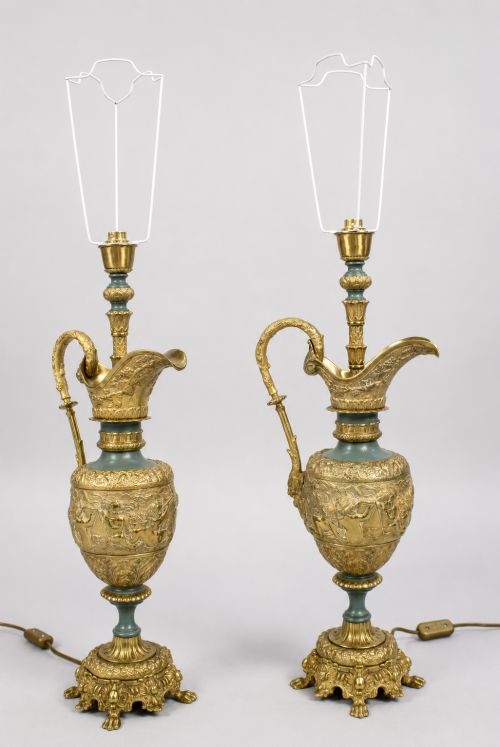
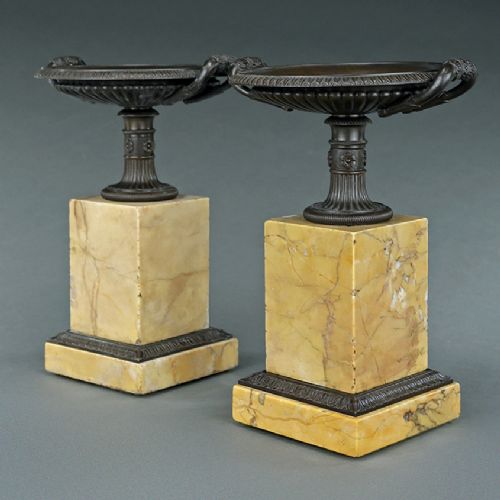
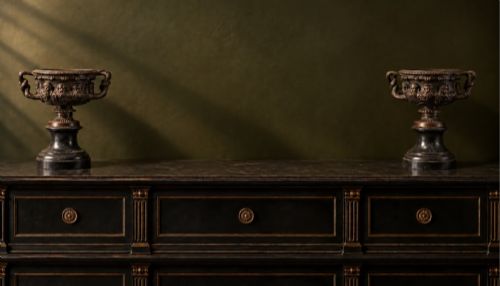
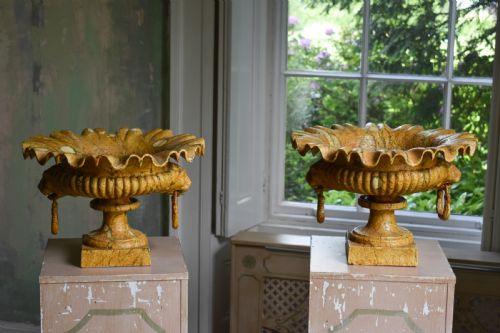
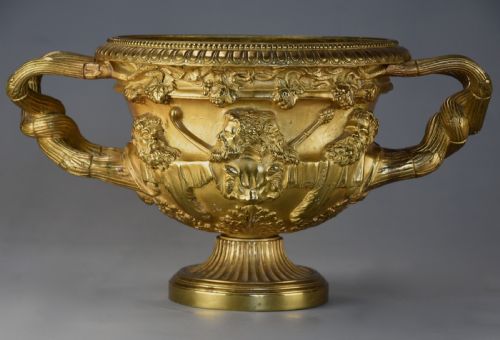
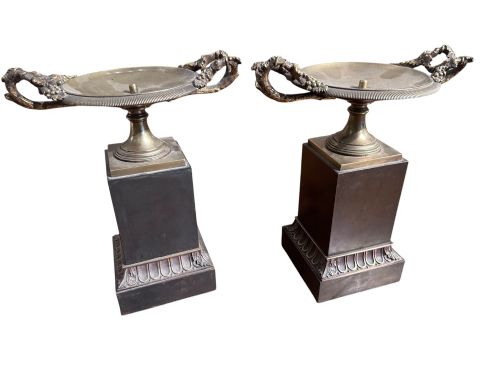
The most common examples on this page are decorative bronze urns, grand tour reductions of famous vases like the Warwick or Albani, and tazzas mounted on marble bases. Buyers also encounter cast iron garden urns, ewers and occasional lighting adaptations.
Originating largely from 18th and 19th-century workshops in France, Britain and Italy, these vessels reflect a sustained European fascination with classical Greece and Rome. They function as focal points on pedestals, sideboards and mantels.
Materials and construction
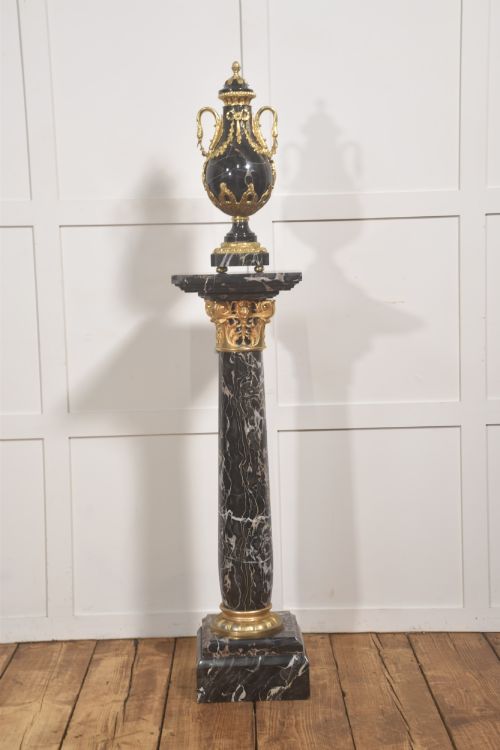
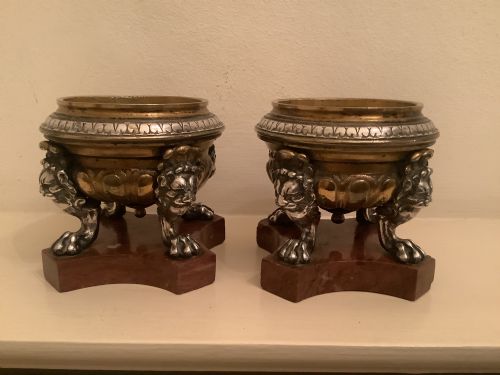
Makers utilised cast bronze, brass and spelter as the primary structural metals, often combining them with contrasting ormolu mounts and gilt highlights. Marble plinths in Siena or black varieties provide a heavy, stable base for the metal bodies.
Techniques relied on lost-wax or sand casting for the metal components, followed by meticulous chasing, patination or gilding by hand. Ormolu elements required mercury gilding or fire-gilding processes to achieve a durable, warm metallic lustre.
Neoclassical Metal Urn Retail Price Guide 2026
Typical asking prices for neoclassical metal urn among the pieces listed under this phrase on Sellingantiques today, from the lower quarter to the upper quarter. They describe what is for sale here now, not the wider market.
Listings feature pieces spanning the 18th century, Georgian era, Victorian period, and 19th century, utilising bronze, marble, ormolu, brass, cast iron, and paint.
Distinctions in craftsmanship
Quality rests in the crispness of the chasing and the weight of the metal cast, where finer examples display sharp acanthus leaves and well-defined classical masks. Inferior pieces rely on softer spelter castings with blurred surface details and superficial patination.
The integration of materials dictates the overall success of the piece, particularly how cleanly the bronze meets the marble base or how securely ormolu mounts are pinned. Superior objects demonstrate rigorous structural joins and harmonious proportions between vessel and plinth.
The Neoclassical Metal Urn Glossary
- Ormolu
- Gilt bronze, created by applying an amalgam of gold and mercury to a bronze base and heating it. This technique produced a rich, durable golden finish popular in French decorative arts.
- Tazza
- A shallow saucer-like vessel mounted on a stem and foot, frequently utilised as a decorative centrepiece or fruit dish in classical interiors.
- Campana
- A bell-shaped urn profile with an everted rim and a pedestal foot, heavily favoured for both interior decorative objects and garden vessels.
- Grand Tour
- A cultural journey undertaken by wealthy young Europeans to study classical antiquities, inspiring the production of scaled-down bronze and marble souvenirs.
- Ewer
- A large jug with a wide spout and a shaped handle, often rendered in bronze or brass as a purely decorative classical ornament.
Neoclassical Metal Urn: Frequently Asked Questions
Where should I place a metal urn?
These vessels suit prominent locations where their classical proportions can be appreciated, such as the centre of a large sideboard or atop a wooden pedestal.
Smaller examples function effectively on library tables or mantelpieces, while heavier cast iron versions belong in garden settings.
What is a Grand Tour souvenir?
Grand Tour souvenirs were high-end objects purchased by travellers visiting archaeological sites in Italy and Greece during the eighteenth and nineteenth centuries.
These included miniature bronze reductions of famous ancient sculptures and vases designed to display classical erudition at home.
How do I distinguish bronze from spelter?
Bronze is a heavy, copper-alloy metal that takes a deep, complex patina and resists scratching easily. Spelter is a softer zinc-based alloy that feels lighter and often shows grey metal beneath worn paint or gilding.
Checking the underside or unexposed areas usually reveals the harder nature of bronze.