



Nautical Tool
These pieces of nautical tool antique design are working instruments and heavy trunks built to guide ships and run decks.
Nautical Tool
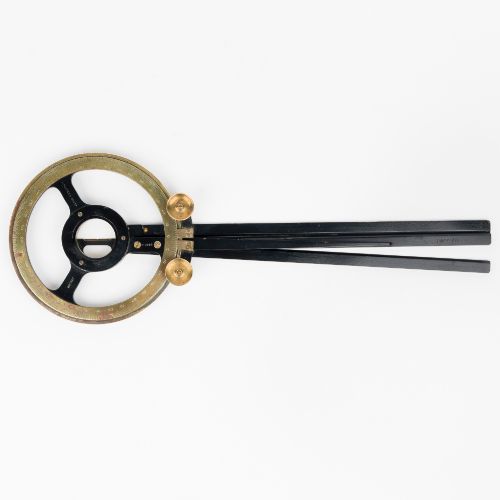
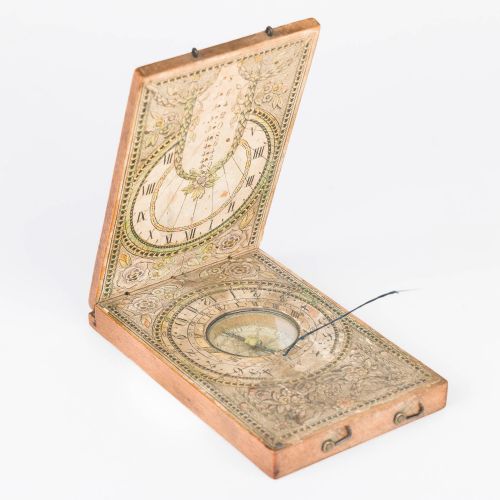
When you search for a nautical tool antique, you are looking at instruments and gear built for navigation, shipboard work, and life at sea. The selection here ranges from tiny pocket sundials to large pine trunks and heavy brass navigational instruments.
You are most likely to meet Victorian and early twentieth century pieces made in brass, wood, and bone. These objects come from scientific workshops, naval manufacturers, and sailors themselves.
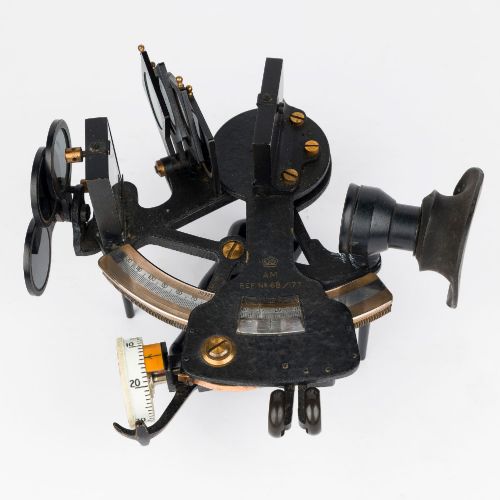
The forms divide into navigation aids like octants and sextants, deck tools like fids and seam rubbers, and heavy storage chests. Each piece carries the marks of its service on the water.
How they were made
Makers shaped these objects from durable materials chosen to withstand salt air and heavy use, relying heavily on brass, mahogany, pine, and bone. Brass provided rust resistance for delicate navigation scales, while dense hardwoods and bone formed sturdy deck tools.
Workshops combined metal casting, glass fitting, and hand carving to build instruments that required absolute precision. Sailors and local craftsmen also carved functional gear like fids directly from available timber.
Nautical Tool Retail Price Guide 2026
Typical asking prices for nautical tool among the pieces listed under this phrase on Sellingantiques today, from the lower quarter to the upper quarter. They describe what is for sale here now, not the wider market.
Listings feature items spanning the eighteenth through the twentieth centuries, including Victorian scientific instruments and WWII aviation gear.
What varies in quality
Quality in these instruments rests on the precision of the engraved scales and the clarity of the original optics and glass. Instruments signed by established makers with intact fitted cases sit at the top of the range.
With trunks and deck tools, quality shows in the choice of timbers like rosewood or ebonised finish and the heft of the bone or metal. Simple vernacular pieces made for daily work display a different character from presentation grade equipment.
Hughes And Son·H Hughes·John Lilley And Son London·A Hurlimann Paris
The Nautical Tool Glossary
- Octant
- A reflective navigation instrument used to measure the angle between an astronomical object and the horizon. It predates the modern sextant and measures up to ninety degrees.
- Sextant
- A precision instrument used to measure angles for navigation and celestial positioning. It superseded the octant with a frame spanning one sixth of a circle.
- Fid
- A tapered tool of wood or bone used by sailors to open strands of rope for splicing. These working tools were often carved by the sailors themselves.
- Clinometer
- An instrument used for measuring angles of slope or tilt aboard a ship. It helped crews gauge the roll and list of a vessel.
- Artificial horizon
- A device used with a sextant to determine altitude when the natural horizon is obscured. These sets often utilised black glass and a spirit level.
Nautical Tool: Frequently Asked Questions
What is a nautical tool antique?
A nautical tool antique is a historical instrument or piece of equipment used for navigation, ship maintenance, or life at sea.
These items range from brass sextants and clinometers to bone sail makers tools and wooden sea chests.
How were navigation instruments used?
Navigators used instruments like octants, sextants, and artificial horizons to measure angles of celestial bodies and determine latitude at sea.
These measurements allowed ships to maintain their course across open water before electronic systems existed.
What materials are common in these pieces?
Common materials include polished brass, heavy glass, bone, and dense timbers such as mahogany, rosewood, and pine.
Makers selected these substances to endure the damp conditions and heavy demands of maritime service.
How do I identify nineteenth century pieces?
Nineteenth century pieces often feature maker signatures, specific brass construction methods, and materials like ebonised wood or bone.
Stylistic markers range from strict Victorian scientific design to traditional maritime folk art.
Where were these items made?
These items were produced in maritime centres and scientific workshops across Britain and Europe, including London and Paris.
Many practical deck items were also shaped directly aboard ships by sailors.