


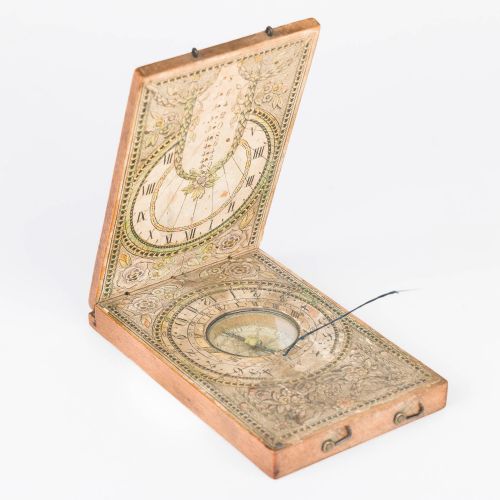


Nautical Scientific Instrument
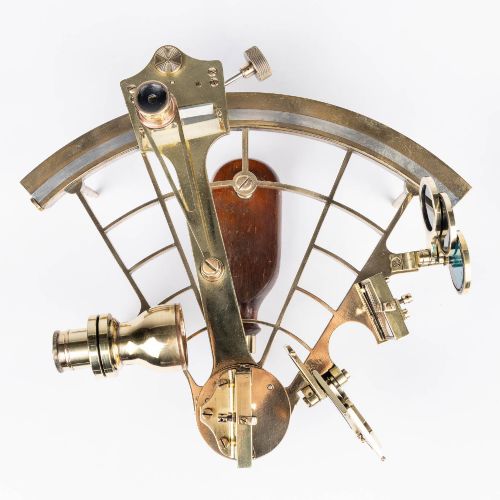
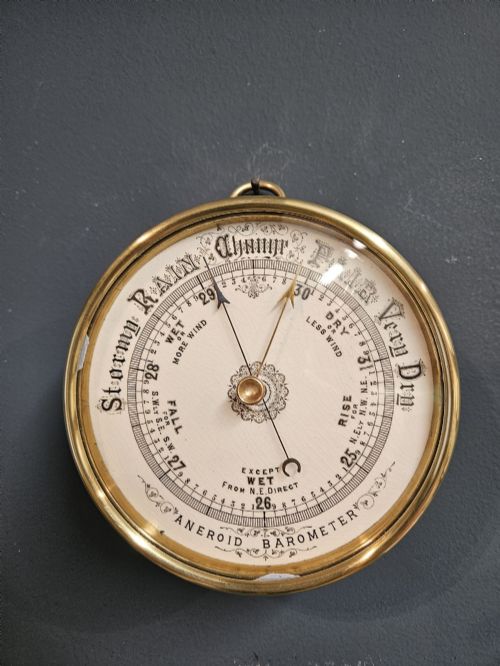
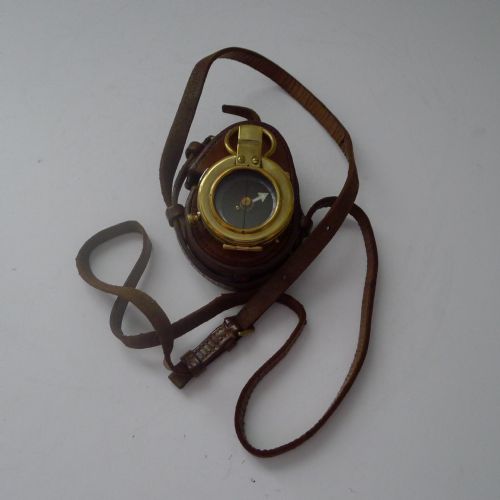
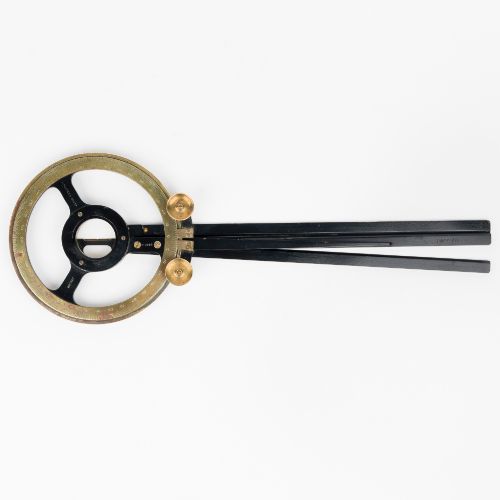
These brass and mahogany nautical scientific instrument pieces measure time, weather, and distance across sea and land.
Nautical Scientific Instrument
When someone searches for a nautical scientific instrument, they encounter brass telescopes, barometers, compasses, and sundials dating from the eighteenth century to the early twentieth century. These apparatuses served navigators, surveyors, and scientists who mapped oceans and charted the stars using precise mechanical calculations.
The most common forms on this page are multi-draw brass telescopes housed in mahogany or wrapped in leather, alongside stick barometers and various pocket or desk compasses. Originating primarily from English and European makers, these instruments bridge practical maritime utility and fine decorative craftsmanship.
How they were made
Makers relied heavily on polished brass for structural bodies, dials, and fittings, combining the metal with turned hardwoods such as mahogany, rosewood, and fruitwood. Lenses of clear optical glass focused light within extending brass tubes, while leather coverings provided secure grips for portable field use.
Precision graduation of scales on paper, card, and metal required steady hands and specialised dividing engines. Casings were dovetailed and fitted to safeguard delicate needles, mercury tubes, and glass components during long voyages.
Nautical Scientific Instrument Retail Price Guide 2026
Typical asking prices for nautical scientific instrument among the pieces listed under this phrase on Sellingantiques today, from the lower quarter to the upper quarter. They describe what is for sale here now, not the wider market.
An eighteenth-century mariner peering through a non-achromatic decagonal reverse taper telescope saw the world through ten flat sides.
What varies in quality
Quality rests in the crispness of the engraved markings, the smooth draw of telescopic tubes, and the original integrity of the lenses and mirrors. Superior examples retain signed maker details on silvered brass dials and show robust, uncompromised cabinetry.
Lesser items display worn graduations, sluggish compass needles, replacement lenses, or dents to soft brass housings that interfere with proper optical alignment and measurement.
Nairne & Blunt of London·French Ltd·Clarkson London·Steward of London·Newton & Co·A Hurlimann Paris·Stanley London·Negretti & Zambra·L Casella London·Alexander Adie of Edinburgh·Chadburn Brothers of Sheffield·Davis of London·James Murray·John Lilley & Son London·John Gilbert
The Nautical Scientific Instrument Glossary
- Barometer
- An instrument used to measure atmospheric pressure in order to forecast weather changes. Marine versions often utilise mercury columns or aneroid capsules housed in wood or brass.
- Theodolite
- A precision optical instrument used for measuring horizontal and vertical angles in surveying. It typically rests on a rotating base with spirit levels.
- Hypsometer
- A device used to calculate height or elevation by determining the boiling point of a liquid under specific atmospheric pressure.
- Terrestrial telescope
- A spyglass designed for viewing objects on land rather than stars. It employs an erecting lens system to ensure the image appears right side up.
Nautical Scientific Instrument: Frequently Asked Questions
What is a nautical scientific instrument?
A nautical scientific instrument is a historical tool used for navigation, observation, and measurement at sea or in the field. Examples include brass telescopes, barometers, compasses, and theodolites.
These pieces combine functional mechanics with durable materials like brass, mahogany, and glass to withstand demanding maritime environments.
How do you use an antique telescope?
To use a draw telescope, you pull the sliding brass tubes outward until the internal lenses align properly and the distant object comes into focus. Terrestrial models use extra lenses to display an upright image.
Support the extended brass barrel steadily against a solid surface or mount it on an original folding tripod stand for clear viewing.
How are different periods identified?
Periods are identified through material choices, typography styles on engraved brass plates, and mechanical construction methods. Georgian pieces often feature simpler hand-finished parts, while Victorian items show wider industrial standardisation.
Maker signatures and patent dates stamped onto the metal casings provide precise clues to the decade of manufacture.
How do you display these items?
These instruments display well on library tables, desks, or within wooden cabinets where their polished brass and dark hardwoods catch the light. Placing them on stable surfaces protects delicate lenses and moving parts.
Keep them away from direct heat sources and excessive moisture to preserve the original wood finishes and metal patination.