


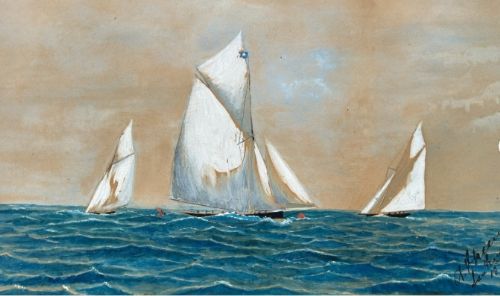


Nautical Paper Art
Nautical paper art brings together historic paintings, watercolours, and etchings that capture harbours, shipping, and coastal life.
Nautical Paper Art
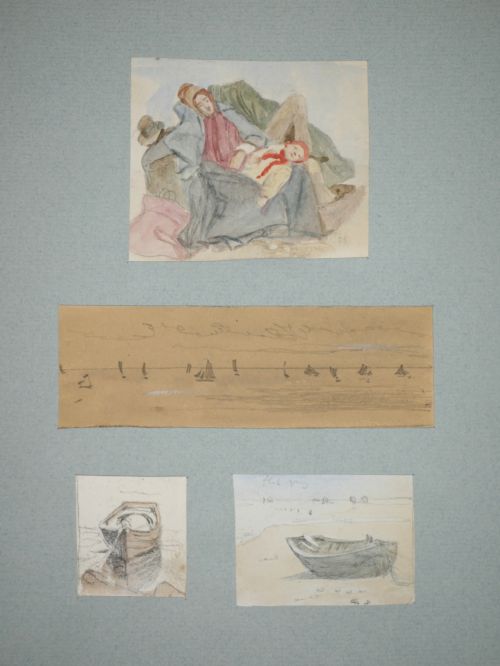
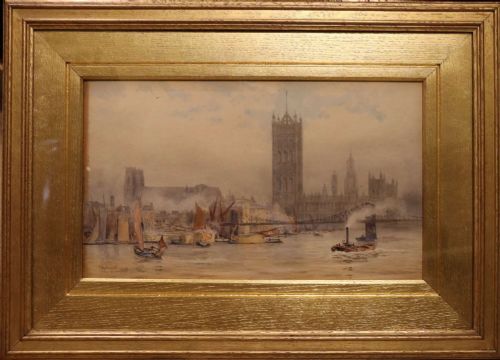
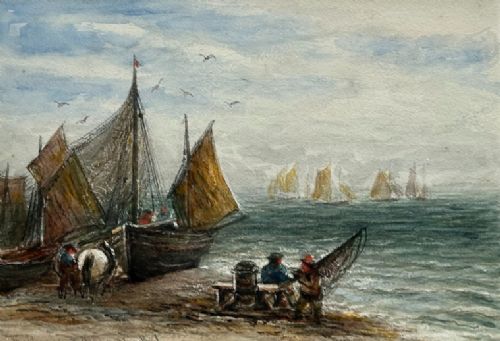
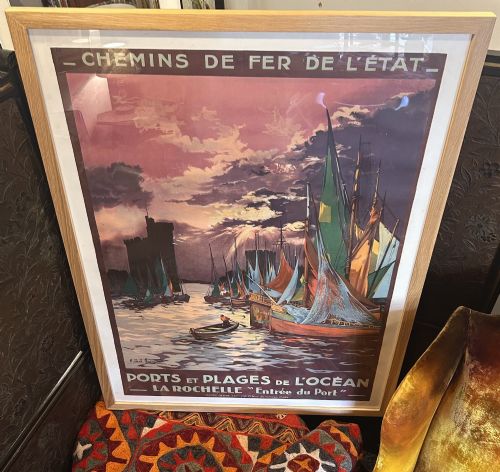
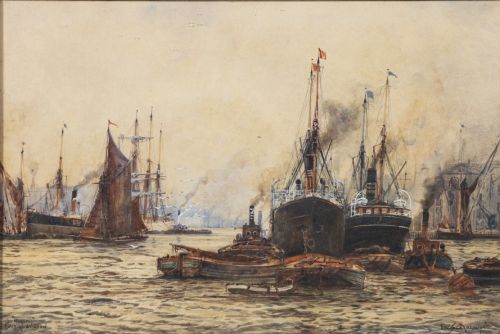
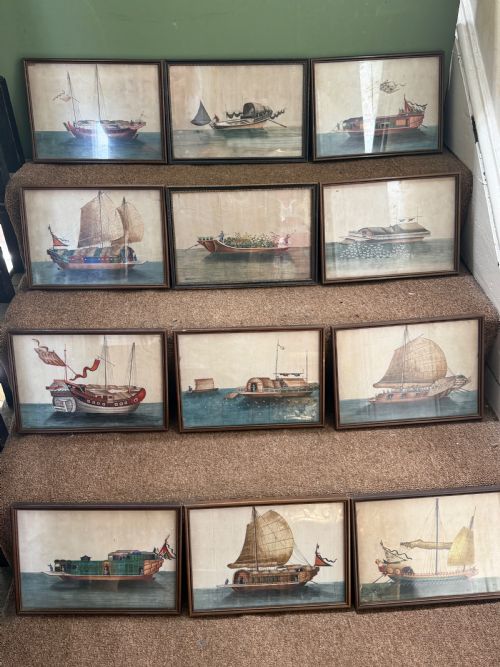
Nautical paper art centres on works executed on paper, encompassing watercolours, gouache paintings, ink drawings, etchings, and lithographs. The items gathered under this phrase record maritime scenes, including fishing boats, tall-masted ships, docks, and coastal landscapes.
The selections span from the nineteenth century through the mid-twentieth century, capturing periods such as the Victorian era, Edwardian maritime movements, and mid-century modernism. Buyers encounter framed paintings, detailed wall art, and sketch studies created by named artists and regional schools.
Materials and techniques
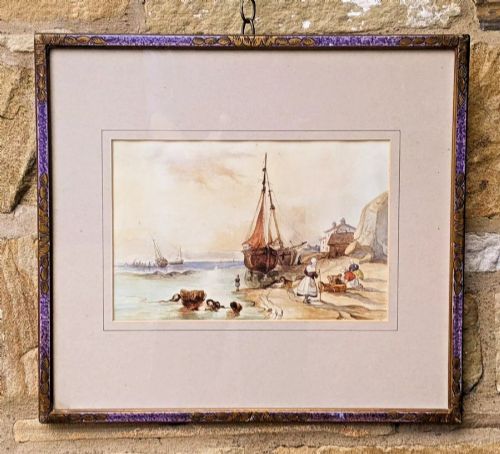
Artists relied primarily on watercolour pigment, ink, and gouache applied to various grades of paper. Many of these works were framed behind glass to protect the delicate media from moisture and handling.
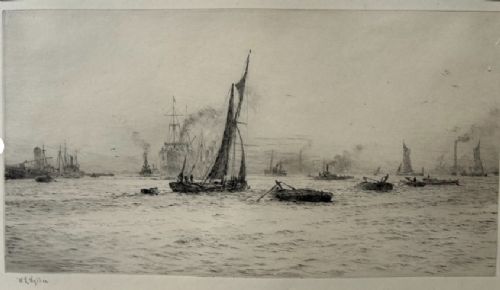
Printmakers utilised etching and aquatint techniques on copper plates, producing signed impressions that recorded fine lines of rigging and shipping infrastructure. Lithography also appears, allowing multiple impressions of maritime scenes to be produced.
Nautical Paper Art Retail Price Guide 2026
Typical asking prices for nautical paper art among the pieces listed under this phrase on Sellingantiques today, from the lower quarter to the upper quarter. They describe what is for sale here now, not the wider market.
Several Victorian artists evidently preferred painting choppy seas from the safety of dry land, capturing harbour walls drenched in salty spray.
Factors determining quality
The standard of a work depends on the precision of the draughtsmanship and the artist's command of light and movement on water. Pieces by established painters who captured atmospheric coastal conditions stand apart from simpler decorative sketches.
Condition remains central, with superior examples retaining the vibrancy of their original watercolour pigments without heavy fading or foxing on the paper support. Provenance and clear signatures from known practitioners elevate individual works.
James Orrock·James Smetham·William Lionel Wyllie·Frank William Scarbrough·Thomas Bush Hardy·Samuel Owen·Leslie Rackham·Ernest F Hill·William Wyld·Rowland Henry Hill
The Nautical Paper Art Glossary
- Watercolour
- A paint consisting of pigment suspended in a water-based solution, applied to paper to create translucent washes of colour. It forms the primary medium for most historic maritime paintings on this page.
- Gouache
- An opaque water-based paint that includes white pigment added to watercolour, giving denser coverage and brighter highlights. Artists utilised it to render the frothing of choppy water or white sails.
- Etching
- A printmaking process where lines are bitten into a metal plate with acid before ink is applied and pressed onto paper. This technique achieves the sharp detail seen in studies of ship rigging.
- Aquatint
- A variant of etching that produces tonal areas resembling watercolour washes through the use of powdered resin. It frequently appears alongside line etching in marine prints.
- Lithography
- A planographic printing process based on the repulsion of oil and water, enabling the reproduction of multi-coloured posters and ship illustrations. It provides a flat, even application of ink across the paper.
Nautical Paper Art: Frequently Asked Questions
How should I hang nautical paper works?
Paper works require protection from direct sunlight to prevent the fading of watercolour pigments and inks. Framing them behind UV-filtering glass helps preserve the paper support in domestic interiors.
Position the art away from damp areas like kitchens or unventilated bathrooms to avoid moisture damage. Stable room temperatures keep the paper from warping inside the frame.
Are these works original paintings or prints?
The listings include both unique painted works and printed editions. Watercolours, gouache studies, and pencil sketches are hand-drawn originals created directly by the artist.
Etchings, aquatints, and lithographs are printed editions, though many feature original hand signatures in pencil by the printmaker. Checking the medium in each listing clarifies whether the item is a painted study or an impression.
What subjects do these maritime pieces feature?
The imagery focuses heavily on coastal life, working vessels, and major ports. Scenes frequently depict fishing boats, cobles in harbour, tall-masted ships in choppy waters, and river views around London.
Works range from topographical records of specific quays to more abstracted interpretations of sailing boats at low tide. This variety reflects changing artistic approaches across the nineteenth and twentieth centuries.
How do I identify the date of a piece?
Dates are often indicated by the artist's active lifespan, explicit signatures, or stylistic markers. Nineteenth-century watercolours generally display looser atmospheric brushwork compared to earlier rigid topographical recording.
Later pieces from the mid-century introduce modernist abstractions or specific historical subjects, such as Olympic events or post-war shipping. Comparing the paper type, framing style, and signature helps narrow down the period.