


Natural Seed Pearl Jewellery
Natural seed pearl jewellery brings together tiny organic gems and historic metals, offering delicate textures that catch the light with quiet elegance.
Natural Seed Pearl Jewellery
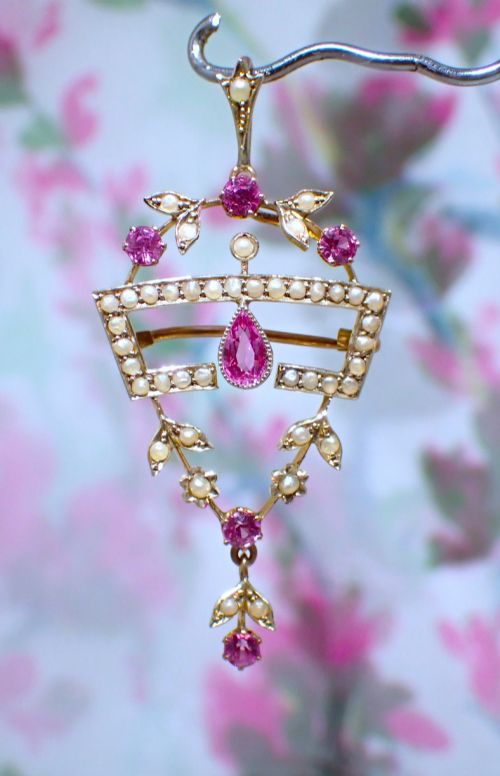
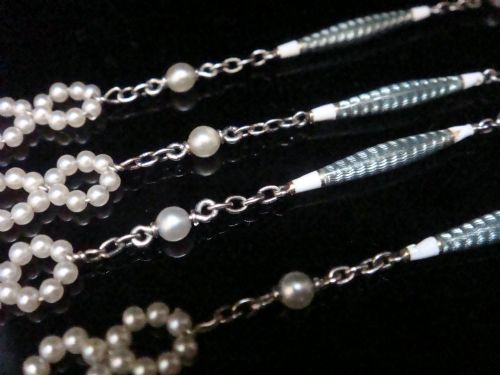
Natural seed pearl jewellery comprises delicate pieces fashioned from tiny organic pearls, often grouped to form intricate designs across pendants, brooches, necklaces, and earrings. These fragile components create soft, shimmering textures that reflect the tastes of past centuries.
You are most likely to encounter Victorian and Edwardian examples on this page, alongside Georgian, mid-century, and 1910 pieces. Common forms range from horseshoe brooches and lovers knot bracelets to elaborate parure sets and delicate chains.
The objects frequently incorporate complementary gemstones such as turquoise, coral, ruby, tourmaline, and emerald alongside yellow gold, rose gold, platinum, and enamel. Each combination highlights the meticulous arrangement typical of these historic eras.
Materials and Techniques
Craftsmen set tiny natural seed pearls into frames of 9ct gold, 15ct gold, 18k yellow gold, and platinum using meticulous wiring and bezel settings. This painstaking labour allowed the minute pearls to follow complex curves in floral, serpentine, and geometric patterns.
Metals were frequently combined with enamel, rose cut diamonds, and coloured stones like coral, turquoise, and ruby to add contrast to the soft lustre of the pearls. Jewelers balanced structural durability in gold or platinum with the inherent fragility of organic seed pearls.
Listings feature Victorian, Edwardian, Georgian, and 1960 periods, utilising gold, platinum, pearl, coral, turquoise, and ruby across various forms.
Assessing Quality
Quality rests upon the uniformity and secure setting of the minute pearls, where even spacing and consistent lustre distinguish superior work. Pieces that retain every tiny pearl without replacement parts demonstrate careful historical preservation.
The refinement of the surrounding gold or platinum work, from chased details to integrated gemstones, separates standard items from exceptional examples. Superior design ensures the delicate framework supports the organic elements securely while maintaining visual harmony.
The Natural Seed Pearl Jewellery Glossary
- Seed Pearl
- Extremely small natural pearls, typically under two grains, used extensively in clusters and detailed historic designs. They provide a delicate, textural background to larger gemstones.
- Parure
- A matching set of jewellery designed to be worn together, commonly including earrings, a necklace or pendant, and a brooch. Complete sets from the Victorian era are particularly notable.
- Collar
- A short necklace designed to sit snugly around the neck, often featuring intricate chains and gemstone drops. Edwardian examples frequently utilise platinum and fine gold links.
- Bezel Setting
- A method of holding a gemstone or pearl in place with a thin metal rim that wraps around its edge. This technique protects the organic surface while securing the component firmly.
- Rose Cut
- A vintage diamond cut featuring a flat base and a domed crown with triangular facets. It produces a soft, understated sparkle typical of earlier periods.
Natural Seed Pearl Jewellery: Frequently Asked Questions
How do I care for natural seed pearl jewellery?
Store pieces separately in soft pouches to prevent scratching the delicate organic surface of the pearls. Avoid exposing them to harsh chemicals, perfumes, or ultrasonic cleaners, wiping them gently with a soft cloth after wearing.
Keep them away from extreme heat and moisture, which can damage the organic material and weaken historic metal settings. Regular gentle checks by a specialist ensure the tiny pearls remain secure in their mountings.
Are these pearls natural or cultured?
The pieces feature natural pearls formed organically without human intervention, predating the widespread commercial use of cultured pearls. This natural origin accounts for the subtle variations in shape, size, and lustre seen across the tiny gems.
Such pearls derive from historic marine and freshwater sources utilised by period jewellers. Their organic formation contributes to the distinct character found in Victorian and Edwardian examples.
How can I tell a Victorian piece from an Edwardian one?
Victorian items often employ heavier 15ct yellow or rose gold settings, frequently incorporating rich coloured stones like turquoise, coral, and garnet. Their designs lean towards bold sentimental motifs, heavy lockets, and elaborate parure sets.
Edwardian pieces generally favour lighter metals such as platinum and 9ct gold, alongside diamonds and seed pearls to create an airy, lace-like effect. The aesthetic shifts towards refined geometric patterns, platinum chains, and understated botanical themes.
Can I wear these historic pieces every day?
Daily wear requires caution because natural seed pearls and their historic settings are delicate and susceptible to moisture and impact. Occasional evening wear or special occasions help preserve the structural integrity of the fine gold and platinum mountings.
Removing the jewellery before swimming, bathing, or strenuous activity prevents the organic pearls and delicate wiring from degrading. Proper rotation and mindful handling ensure these fragile historic items survive intact.