
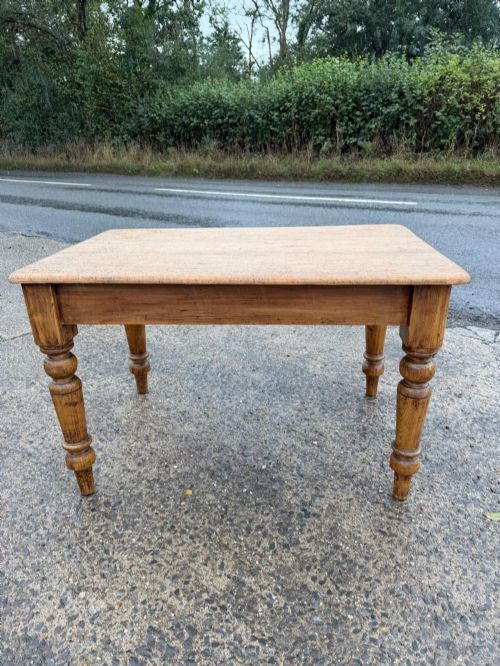
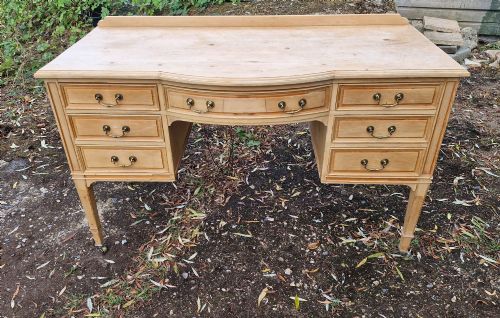
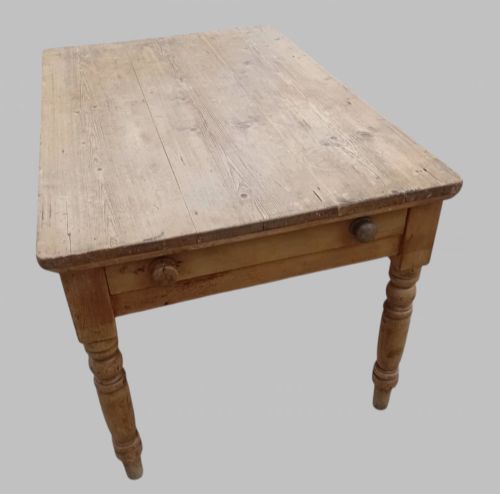
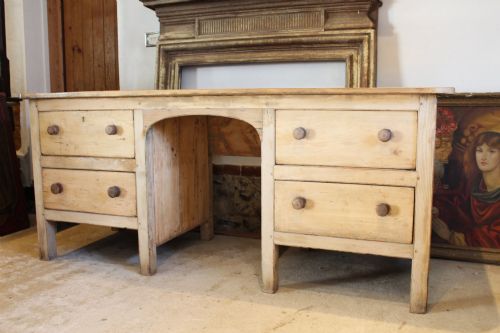


Natural Pine Desk
A natural pine desk brings practical warmth and straightforward utility to a room, offering honest timber construction developed across the nineteenth and early twentieth centuries.
Natural Pine Desk
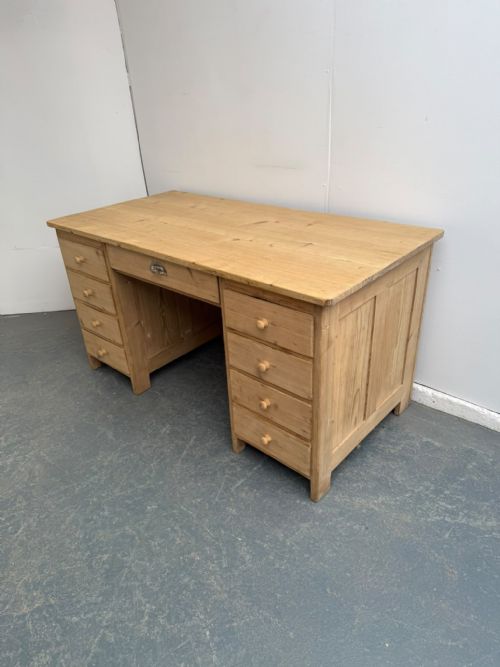
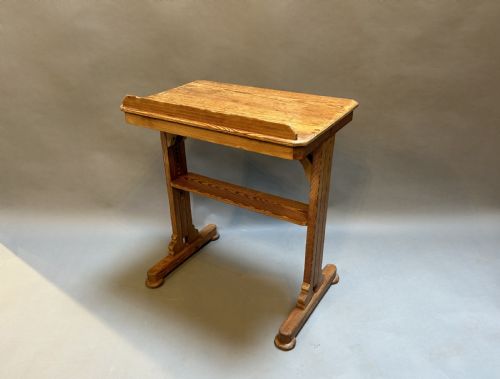
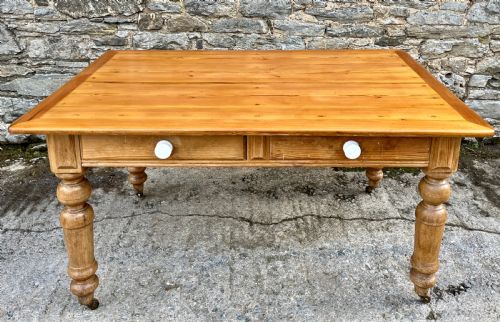
A natural pine desk encompasses working forms ranging from compact kneehole writing tables to large multi-drawer office pieces and secretaire units. These items emerge primarily from Victorian and Edwardian workshops, alongside continental European examples showing regional vernacular details.
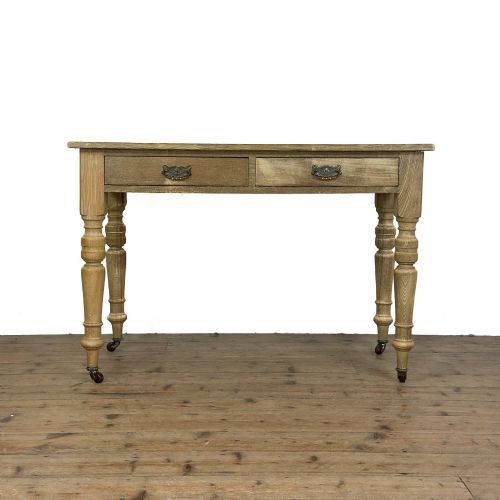
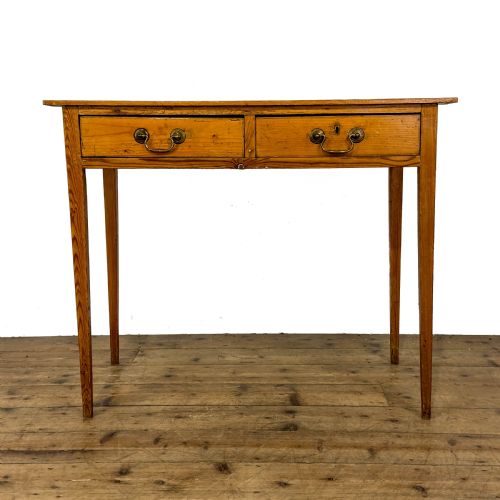
The buyer meets practical writing tables fitted with single drawers to the front frieze, alongside substantial nine-drawer configurations designed for heavier clerical tasks. Many of these surfaces display stripped finishes that expose the natural grain of the timber.
Regional variations include Scandinavian and French interpretations of utility furniture, bringing lighter painted or scraped surfaces to the form. Such pieces balance domestic utility with the enduring character of soft-wood construction.
Materials and Construction
Construction relies upon solid pine timbers, selected for workaday utility and joined using traditional methods suited to everyday furniture. Carpenters frequently combined pine with secondary woods like sycamore for internal components or drawer linings.
Hardware details incorporate brass drop handles or pulls, alongside iron fittings and occasional ceramic or glass elements on related dressing furniture. Surfaces were left to the natural wood, treated with wax, or finished with early paint layers.
Makers utilised simple plank construction for tabletops and dovetailed joints for drawers, ensuring durability under regular use. The joinery reflects straightforward functional requirements rather than ornate cabinet-making.
Several items include secret compartments tucked away inside, designed to keep private correspondence safe from prying eyes.
Judging Quality in Pine Furniture
Quality rests upon the integrity of the timber selection and the retention of original structural components like drawer linings and backboards. Desks retaining their initial surface treatment, whether stripped natural pine or authentic early paint, command greater interest.
The finesse of the joinery distinguishes standard utility pieces from finer workshop productions, visible in tight dovetailing and well-fitted internal secret compartments. Proportion and balance also play a decisive role, particularly in larger kneehole and secretaire formats.
The Natural Pine Desk Glossary
- Frieze
- The horizontal architectural band directly beneath the tabletop. On these desks, the frieze frequently houses one or more storage drawers.
- Secretaire
- A desk incorporating a drop-front or pull-out writing flap that conceals a collection of small interior pigeonholes and secret drawers.
- Scrub top
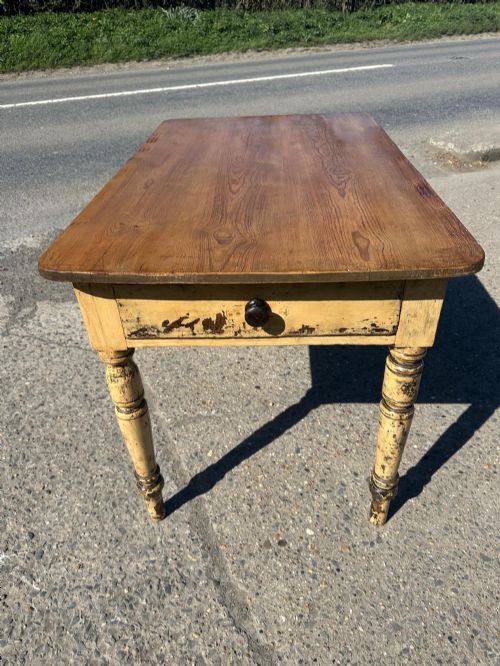
- A bare wooden tabletop finished by vigorous scrubbing rather than heavy varnishing, commonly found on utilitarian kitchen and work tables.
Natural Pine Desk: Frequently Asked Questions
How do I date an antique pine desk?
Dating relies upon examining construction methods, hardware types, and timber characteristics. Pieces from the nineteenth century often display hand-cut dovetails and vernacular design traits distinct from later twentieth-century production.
Comparison with documented examples from the Victorian and Edwardian eras helps establish a firmer timeframe. Regional styles also offer clues regarding the origin and workshop traditions behind the construction.
Are these desks suitable for daily computer work?
Many antique pine writing desks and kneehole tables offer adequate surface area for modern writing and laptop use. However, vintage drawer clearances require careful measurement to ensure comfortable legroom.
Selecting a larger office desk or a robust partner's format provides greater stability for modern equipment. Buyers should check internal dimensions before placing modern technology within antique compartments.
How should I care for a natural pine surface?
Maintaining natural pine involves regular dusting with a dry cloth and occasional application of traditional beeswax to nourish the dry timber. Avoid placing these pieces in direct sunlight or near heat sources to prevent the wood from splitting.
Quickly attending to spills prevents moisture rings from penetrating unsealed or wax-finished softwood surfaces. Gentle care preserves the historical patina developed over generations of use.
What is the difference between a side table and a desk?
A desk is specifically designed for sitting and writing, often featuring specialised storage such as pigeonholes, secret compartments, or banks of multiple drawers. Side tables offer a simpler flat surface with minimal or no drawer space.
While some smaller writing tables bridge this gap, true desks prioritize comfortable knee clearance and clerical organisation. Examining the internal fittings clarifies the primary intended function of the piece.