

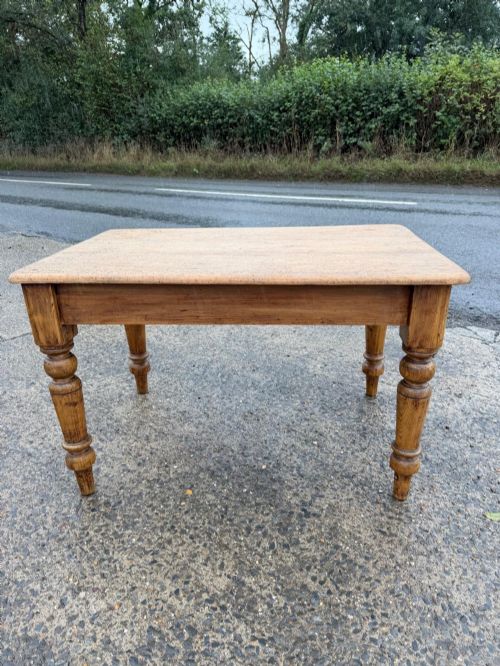
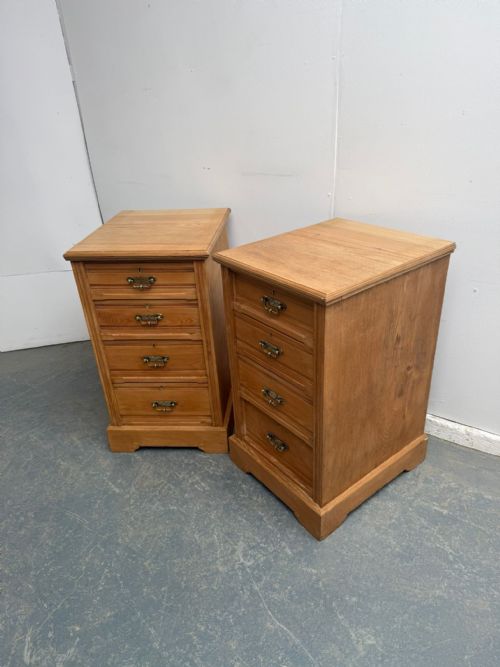

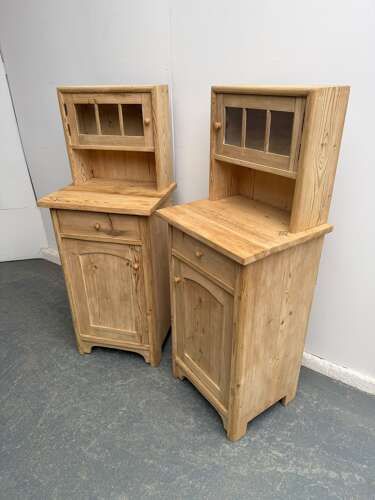
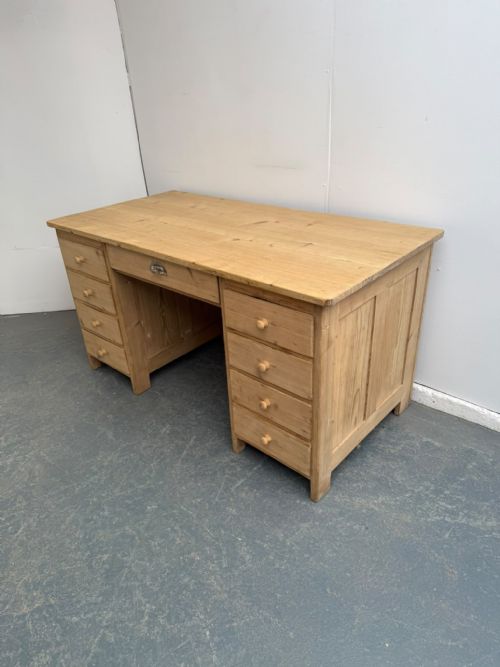


Waxed Pine Table
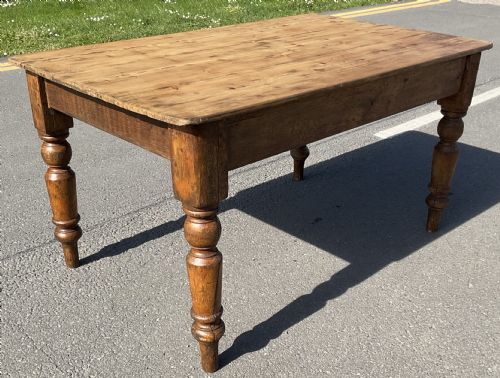
A waxed pine table brings everyday utility and solid timber warmth into a room, offering the honest grain and tactile finish that country houses and modest farmhouses relied on.
Waxed Pine Table
A waxed pine table is a practical surface built from softwood, most commonly found from the Victorian period, the nineteenth century, and Georgian times alongside later examples from around nineteen hundred. These pieces span dining tables, side tables, cricket tables, and coffee tables, reflecting the varied domestic needs of past households.
The versions most commonly met on this page include Victorian kitchen tables and nineteenth-century kitchen dining farmhouse tables, often bearing the marks of active use. Simpler forms such as cricket tables and low coffee tables also appear, showing how utilitarian pine furniture adapts to modern living spaces.
The style umbrella covers Victorian, Victorian country, rustic country, Georgian country, and rustic farmhouse, pointing directly to regional British domestic traditions. These items served functional roles in kitchens and pantries before finding appreciation as standalone decorative furniture.
How they were made
Construction relies primarily on solid pine timbers, sometimes accompanied by ash, with iron and brass fixings utilised for handles, hinges, and structural reinforcement. Carpenters selected these accessible softwoods for their workability, joining tops, legs, and drawers with traditional joinery suited to daily wear.
The characteristic finish involves wax applied to the bare pine wood, sealing the surface while highlighting the natural grain and knots. This treatment deepens the tone of the timber over decades of handling and polishing, creating a durable sheen without modern synthetic varnishes.
Waxed Pine Table Retail Price Guide 2026
Typical asking prices for waxed pine table among the pieces listed under this phrase on Sellingantiques today, from the lower quarter to the upper quarter. They describe what is for sale here now, not the wider market.
Several pieces arrive bearing the honest ink stains and structural knocks of past domestic life.
What varies in quality
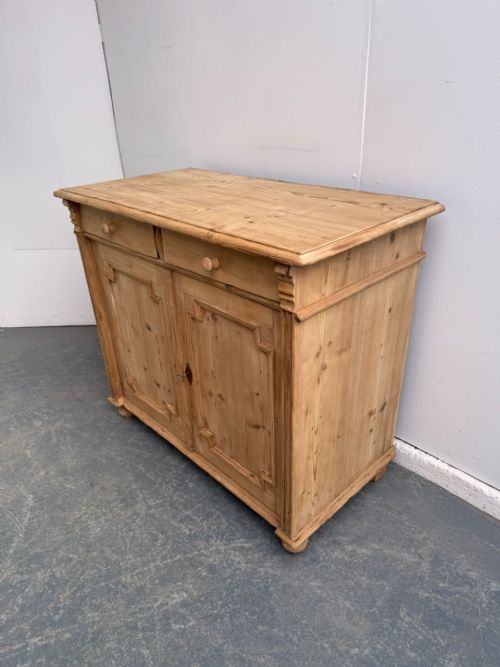
Quality rests in the integrity of the timber selection and the retention of original structural elements such as drawers, stretchers, and brass or iron hardware. Tables featuring single or multiple frieze drawers with well-fitted joints demonstrate superior cabinet-making compared to simpler utilitarian benches.
The depth and uniformity of the waxed finish also distinguish pieces, with mature patination showing genuine age rather than a flat, uniform surface. Proportion, thickness of the top boards, and the balance between rustic wear and structural soundness determine the standing of each example.
The Waxed Pine Table Glossary
- Pine
- A softwood derived from coniferous trees, widely utilised in British furniture making for its accessibility and strength. It takes wax finishes readily and develops a deep patination over time.
- Wax
- A protective finish rubbed into timber to nourish the grain and impart a soft sheen. On these pieces, it serves as the primary barrier against moisture and handling.
- Cricket table
- A small, lightweight three-legged table originating from vernacular traditions, designed to stand steadily on uneven flagstone floors. The three-legged construction ensures the table does not wobble.
- Frieze
- The horizontal band situated directly beneath the table top, often housing one or more drawers. In older furniture, the construction of this area shows the maker's joinery methods.
- Patina
- The surface alteration and mellowing of colour acquired by wood through decades of light, touch, and polishing. It marks the passage of time and authentic use.
Waxed Pine Table: Frequently Asked Questions
What periods do these tables come from?
The selection spans pieces from the Georgian era through the nineteenth century and the Victorian period, extending to items from around nineteen hundred. Each era brings subtle shifts in proportions and construction methods.
Victorian and nineteenth-century examples dominate the offerings, showing the widespread domestic use of pine during those decades.
How do I care for a waxed surface?
Maintaining the finish requires occasional application of traditional furniture wax followed by gentle buffing with a soft cloth. This preserves the moisture barrier and keeps the timber nourished.
Avoiding excessive heat and moisture prevents the pine from warping or staining, ensuring the surface retains its historic character.
Are these tables suitable for daily dining?
These tables were originally built for practical kitchen and farmhouse use, making them robust enough for everyday dining and meal preparation. Solid pine construction handles regular daily activity well.
Using placemats and coasters helps protect the historic wax coating from hot dishes and liquid rings while allowing the timber to age naturally.
How do I tell a Georgian table from a Victorian one?
Georgian examples generally display restrained lines and specific proportioning typical of eighteenth-century joinery, often with simpler, sturdier framing. Victorian pieces frequently incorporate more varied design elements and functional drawers.
Examining the underside, tool marks, and hardware helps clarify the period of manufacture and the likely workshop origin.