




Natural Pine Commode
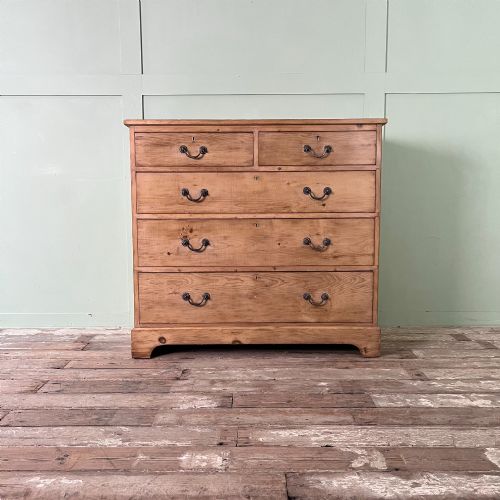
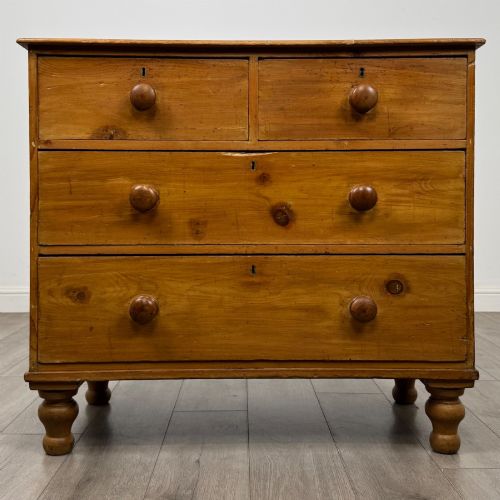
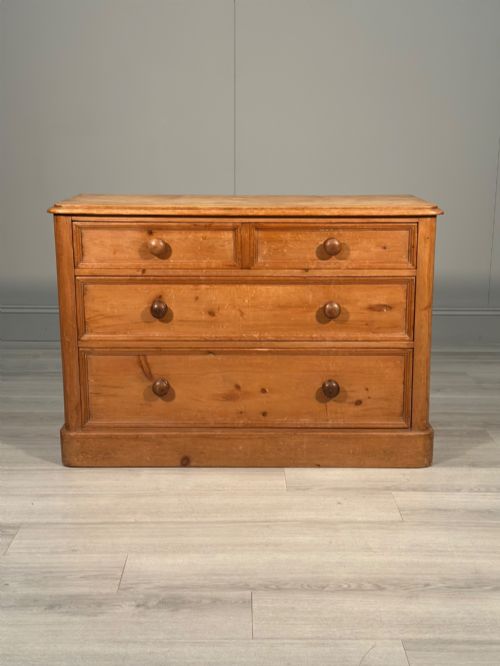
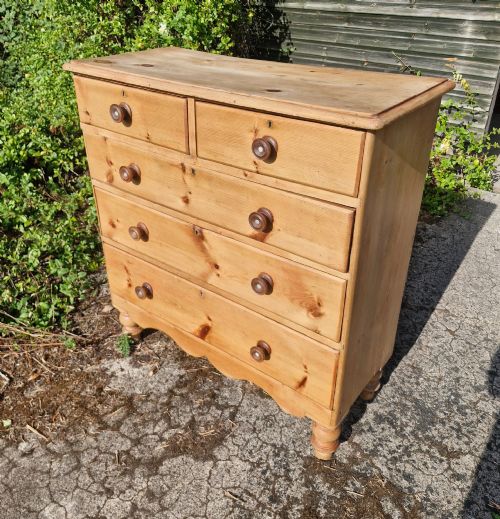
A natural pine commode brings honest warmth and utility to a room, offering robust storage built from timber with plenty of character.
Natural Pine Commode
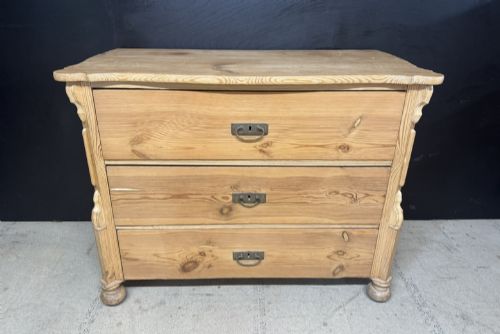
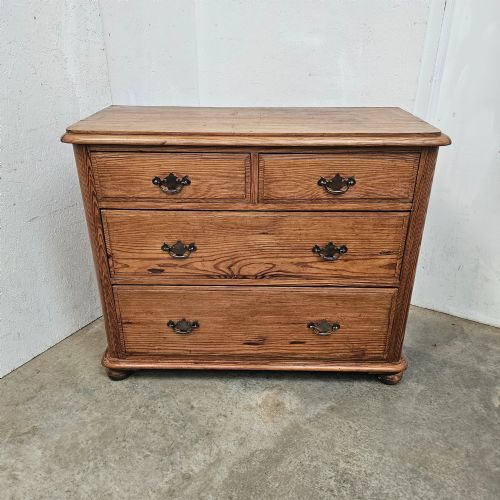
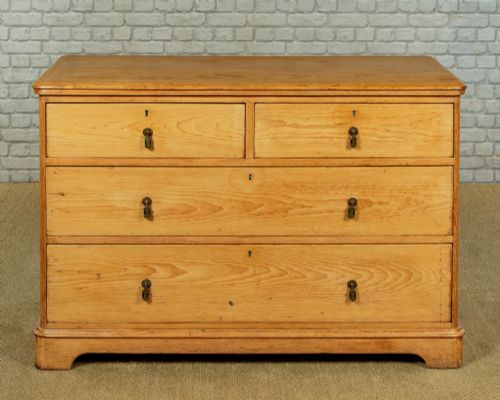
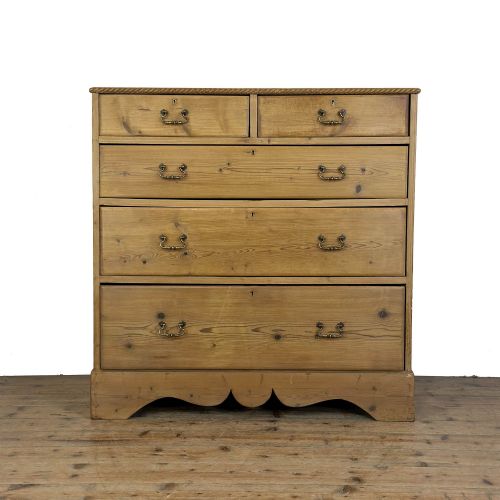
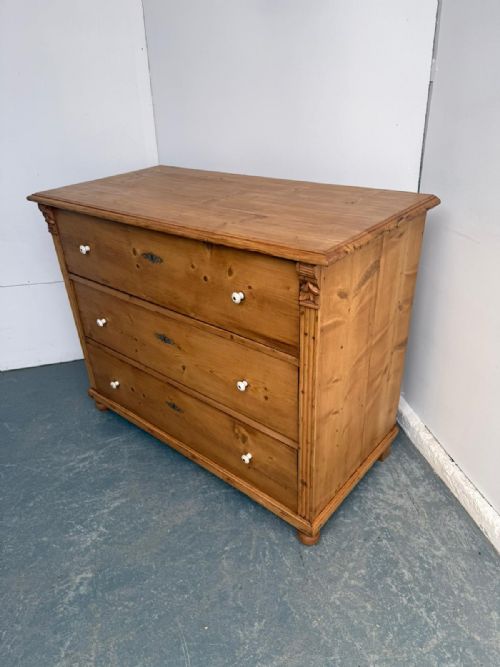
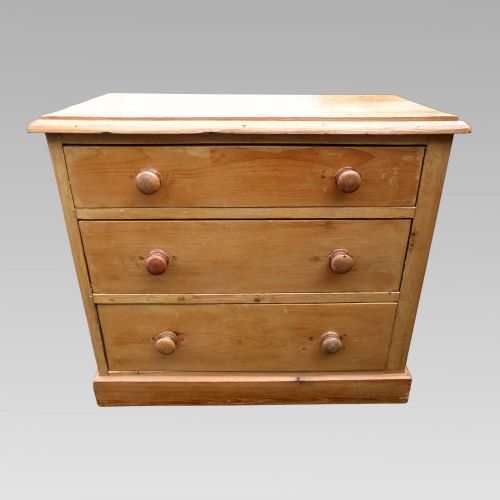
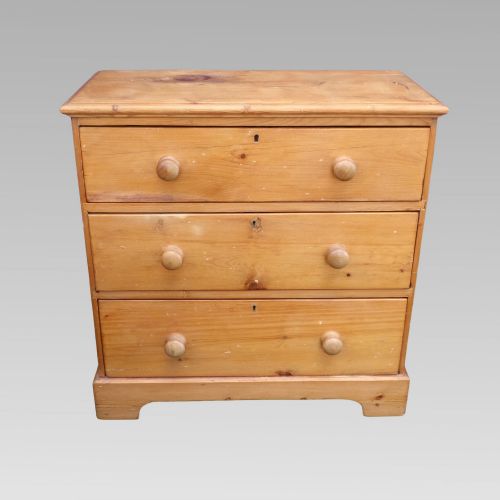
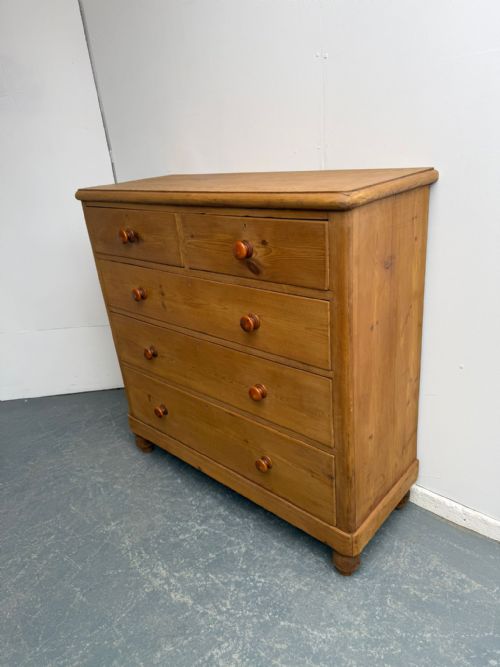
A natural pine commode primarily takes the form of a sturdy chest of drawers or a practical cupboard, spanning eras from the early nineteenth century through the Edwardian period. These pieces originate from various regional traditions including English, continental and Scandinavian country workshops, reflecting straightforward domestic utility.
Most examples you encounter date from the Victorian era, particularly the 1870s and 1880s, often finished with waxed treatments or stripped surfaces that reveal the grain. You will find configurations ranging from low three-drawer designs to tall five-drawer chests, sometimes featuring gallery backs or bun handles.
Regional variations introduce distinct touches, such as faux bamboo detailing on cupboards or columned frames on Hungarian-waxed chests. The forms remain fundamentally utilitarian, designed to hold linens and garments while displaying the natural knots and warm tones of softwood timber.
Judging quality in pine storage
Quality in these pieces rests upon the integrity of the timber selection and the retention of original surface treatments, whether scrubbed, stripped or waxed. Heavier construction, such as larger five-drawer formats or pieces incorporating architectural elements like columns and gallery backs, indicates a more substantial piece.
The finesse of the hardware and the neatness of the drawer construction distinguish standard utility items from more considered examples. Original details like bun handles and balanced proportions elevate the presence of the chest within a modern interior.
Faux bamboo cupboards remind us that nineteenth-century cabinetmakers loved botanical imitation just as much as we do.
The Natural Pine Commode Glossary
- Scrubbed pine
- Timber that has been washed thoroughly to remove old paint or dark finishes, leaving a clean, pale, matt surface.
- Pitch pine
- A dense, resinous variety of pine noted for its prominent grain pattern and durability, often used in larger English furniture.
- Gallery back
- A low raised upstand along the top rear edge of a chest, designed to prevent items from sliding off the surface.
- Bun handle
- A small, rounded wooden knob attached to drawer fronts, typical of Victorian country furniture.
- Faux bamboo
- Wood carved or moulded to imitate the segmented stalks of natural bamboo, a decorative technique popular in the nineteenth century.
Natural Pine Commode: Frequently Asked Questions
How do I care for a waxed pine chest?
Maintain the finish by applying a traditional beeswax paste periodically, buffing it gently with a soft cloth to nourish the wood.
Avoid placing the piece near direct heat sources or in strong sunlight, which can dry out the timber and alter the tone of the wax.
What is the difference between pitch pine and standard pine?
Pitch pine comes from specific resinous conifers, resulting in a heavier timber with a distinctively bold, striated grain pattern.
Standard pine tends to be lighter in weight and colour, displaying softer growth rings and knots typical of European softwood.
Can I paint a stripped pine commode?
Many examples historically received painted finishes, and contemporary owners often choose to paint unprimed or waxed surfaces to suit their interiors.
Ensure the surface is properly prepared and clean of old wax before applying primer and paint for a lasting finish.
How do I date a nineteenth-century pine chest?
Examine the construction methods of the drawers, the style of the handles, and any visible tool marks or secondary timbers used inside.
Earlier pieces from the 1820s or 1830s often show hand-cut joinery, whereas later Victorian examples from the 1880s incorporate more standardised manufacturing.