





Natural History Wall Decor
Natural history wall decor brings the precision of historical study and the textures of the natural world directly into your interior.
Natural History Wall Decor
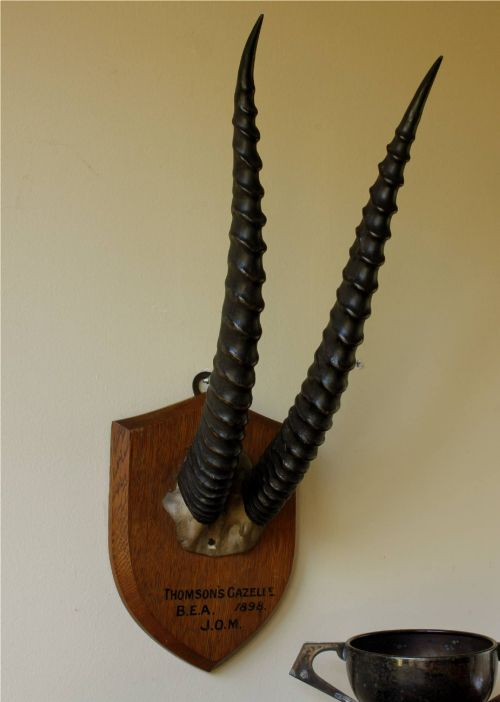
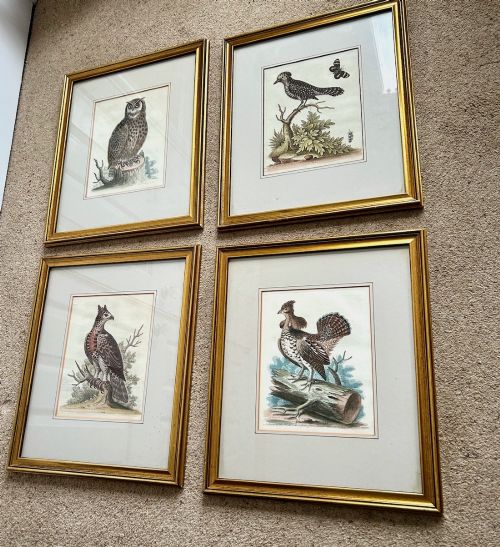
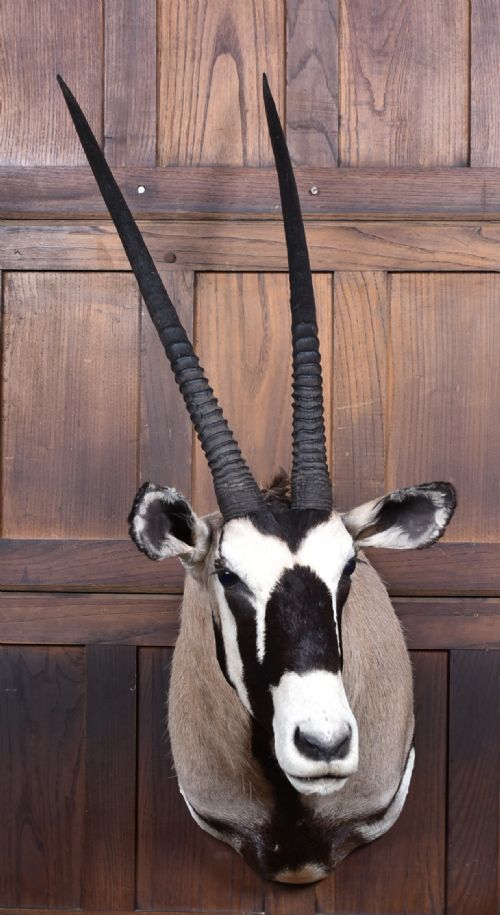
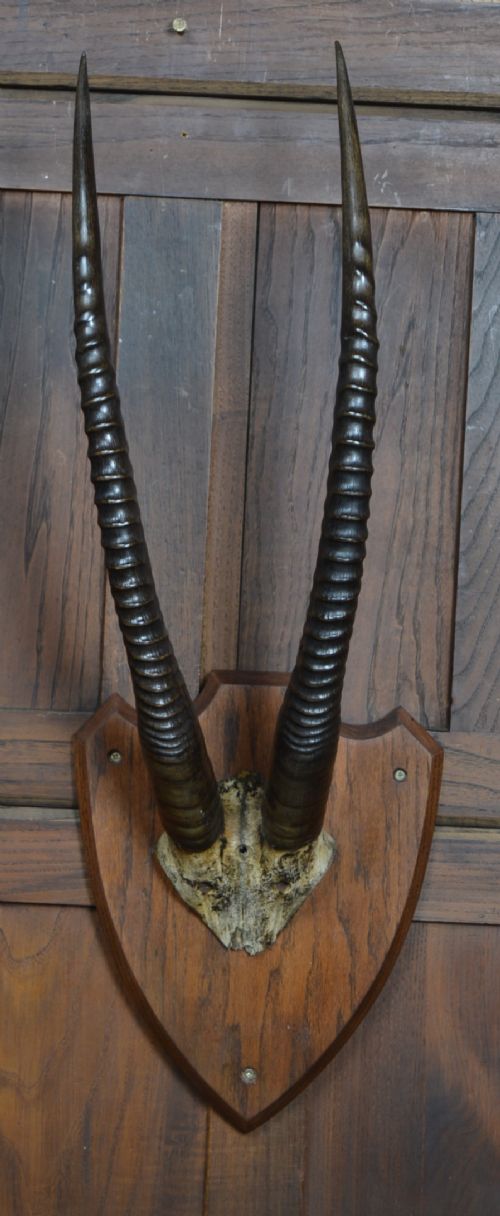
Natural history wall decor encompasses framed prints, framed art, and taxidermy mounts spanning periods from the eighteenth century through the Edwardian era. These pieces record botanical specimens, animals, insects, and plants with meticulous scientific observation.
Framed prints by notable historic figures form a core part of the grouping alongside animal portraits and sculptural mounts. Each item serves as both a visual focal point and a documented record of natural philosophy.
Materials and Construction
Makers utilised traditional printing and mounting techniques, employing paper, glass, wood, gilt wood, and gold leaf for framed works. Engravings often received hand-colouring to delineate botanical and zoological details accurately.
Taxidermy mounts and wall art incorporate natural animal materials including horn, hide, bone, and hair, prepared and secured to wooden backings. The framing materials complement the period of the artwork, using period woods and gilding.
Retail Price Guide 2026
Typical UK retail prices for natural history wall decor, calculated from the Sellingantiques database of over a million retail prices indexed since 2003. This retail price guide relies exclusively on Sellingantiques data; no external sources or auction records are used, so the figures do not describe the wider market.
Materials recorded across the inventory include glass, wood, paper, gold leaf, horn, gilt wood, hide, and bone.
Evaluating Quality
Quality rests upon the precision of the original draughtsmanship, the clarity of the engraving, and the preservation of the paper or taxidermy specimen. Works by documented historical printmakers command attention through superior line work and colour application.
The integrity of the mounting materials, original framing, and the condition of organic elements such as horn or hide distinguish finer examples from later reproductions. Historical provenance and the survival of complete sets elevate the standing of individual pieces.
George Edwards·John Curtis·Eleazor Albin·Audebert
The Natural History Wall Decor Glossary
- Engraving
- A printmaking technique where an artist cuts an image into a metal plate to hold ink. This method produces fine, crisp lines essential for scientific illustration.
- Taxidermy mount
- The preservation and display of an animal skin over a form. In wall decor, these typically present horns or head mounts against wooden panels.
- Hand-coloured print
- A monochrome engraving finished with watercolour paints by hand. This adds realistic hues to botanical and zoological subjects.
- Georgian
- The period spanning the reigns of the four Georges, characterised by classical restraint and elegance. Pieces from this era often feature refined framing and detailed plates.
- Edwardian
- The period of Edward VII's reign, known for comfortable luxury and a revival of classical styles. Wall decor from this time often includes robust taxidermy mounts.
Frequently Asked Questions
Can I mix Georgian prints with Edwardian taxidermy?
Combining different periods creates a layered cabinet of curiosities aesthetic common in historical country houses and lodges.
Matching the framing tones helps unify varied pieces on a single wall.
How do I protect paper prints from sunlight?
Hang antique paper prints away from direct, strong sunlight to prevent the fading of hand-applied watercolours and the yellowing of historic paper.
Using glass with UV-filtering properties offers additional protection.
What defines a botanical engraving?
Botanical engravings are detailed scientific illustrations printed from engraved plates, often showing plants, insects, and flowers with anatomical precision.
They combine artistic skill with empirical observation from natural history.