




Natural Elm Side Table
A natural elm side table brings rustic character and honest grain to a room, offering a sturdy surface shaped by vernacular traditions.
Natural Elm Side Table
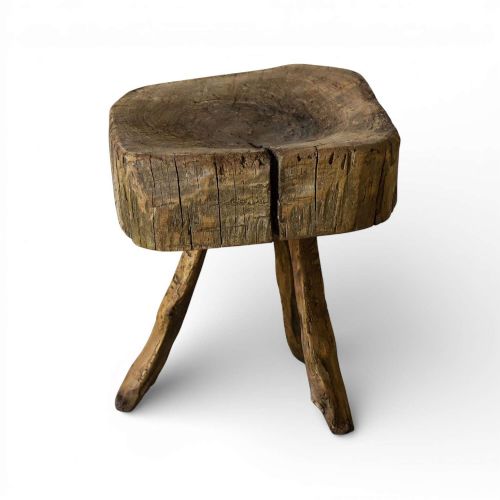
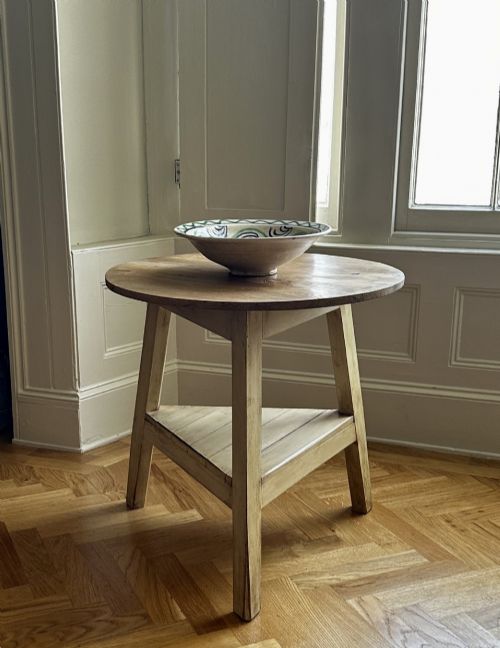
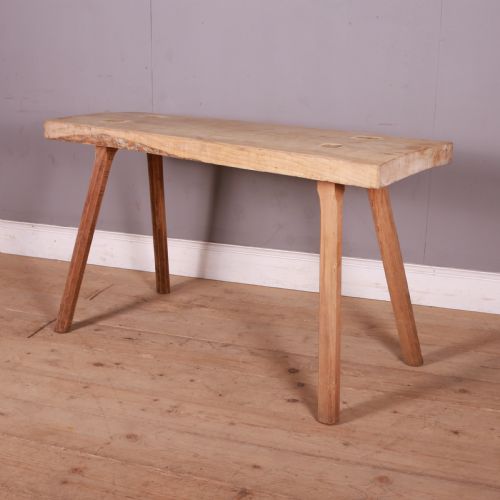
When you search for a natural elm side table, you find a selection of pieces rooted in vernacular rural and provincial traditions. These forms range from low stools and cricket tables to larger chopping blocks and console tables.
The pieces listed here span the nineteenth century, including examples from French provincial workshops and Chinese provincial makers. You are most likely to encounter robust timber constructions that showcase the unpainted, natural grain of the wood.
Makers working in the Arts and Crafts style also contributed to this group, focusing on honest construction methods and simple cross bases. Each item serves a practical domestic purpose while displaying the distinct marks of its rural origin.
How They Were Made
These pieces rely on solid elm, sycamore, and mixed hardwoods selected for their toughness and distinct figuring. Craftsmen utilised live edge slabs, gnarled branches for legs, and heavy timber tops designed for demanding kitchen and household tasks.
Construction techniques follow traditional vernacular methods, featuring pegged joints, trestle supports, and heavy cross bases rather than factory-made hardware. Surfaces are often scrubbed or left in a raw, unvarnished state to highlight the tactile quality of the timber.
Natural Elm Side Table Retail Price Guide 2026
Typical asking prices for natural elm side table among the pieces listed under this phrase on Sellingantiques today, from the lower quarter to the upper quarter. They describe what is for sale here now, not the wider market.
Some nineteenth-century chopping blocks still wear the deep, honest scars of heavy meat cleavers wielded in French country kitchens.
What Varies in Quality
Quality in these pieces rests in the character of the timber and the integrity of the original structure. A superior example displays a rich, unblemished grain and retains its original gnarled legs or pegged supports without modern reinforcement.
The distinction between ordinary and exceptional lies in the balance of the proportions and the honesty of the wear. Pieces that retain their original scrubbed surfaces and bear the genuine marks of domestic labour command greater interest than those with altered or overly restored timber.
The Natural Elm Side Table Glossary
- Vernacular Rural
- A style of furniture built by local craftsmen for everyday use, prioritising utility and local materials over fashionable ornamentation.
- Live Edge
- A natural edge of the tree left unfinished on the timber slab, preserving the organic contours of the wood.
- Cricket Table
- A small, light three-legged table historically used beside a hearth, featuring a triangular or round top.
- Trestle Table
- A table consisting of two or more support frames connected by a horizontal beam, known for stability and legroom.
- Chopping Block
- A heavy, thick block of solid hardwood designed for food preparation, bearing the deep indentations of daily kitchen use.
Natural Elm Side Table: Frequently Asked Questions
What is a natural elm side table used for?
These pieces function primarily as small surface tables, bedside stands, or accent tables in living spaces. Their sturdy build allows them to hold lamps, books, or decorative objects while adding rustic warmth to a room.
Historically, similar timber forms served practical domestic duties in kitchens and workshops before finding a place in contemporary interiors as statement furniture.
How do I date a nineteenth-century elm table?
Dating relies on examining the construction methods, tool marks, and the degree of wear on the timber. Nineteenth-century pieces typically feature hand-cut joints, original pegged construction, and patination acquired through decades of use.
Comparing the style against known regional traditions, such as French provincial or Chinese rustic forms, helps narrow down the period of origin.
Are these tables waterproof?
Most of these pieces feature unvarnished, scrubbed, or wax-finished surfaces that remain porous. Water left standing on the bare timber can leave marks or penetrate the grain.
Using coasters and placemats protects the historical surface from moisture while preserving the natural texture of the wood.
How should I clean natural elm furniture?
Dust the surface regularly with a dry, soft cloth to prevent dirt from settling into the grain. Avoid chemical sprays or excessive water, which can damage the raw timber finish.
Occasional application of natural beeswax helps nourish the wood and maintain its tactile quality without creating an artificial shine.