



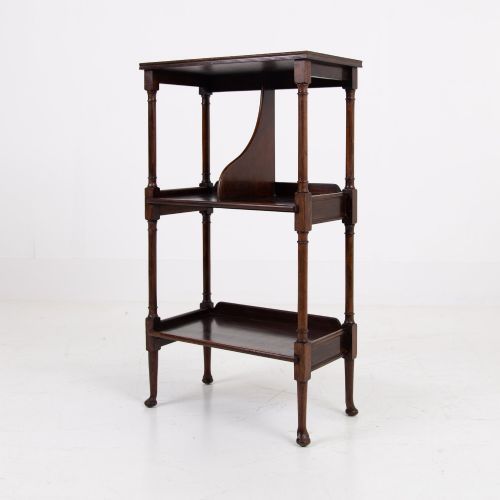
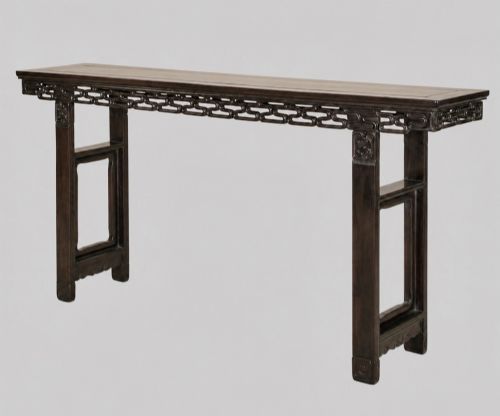
Narrow Wood Table
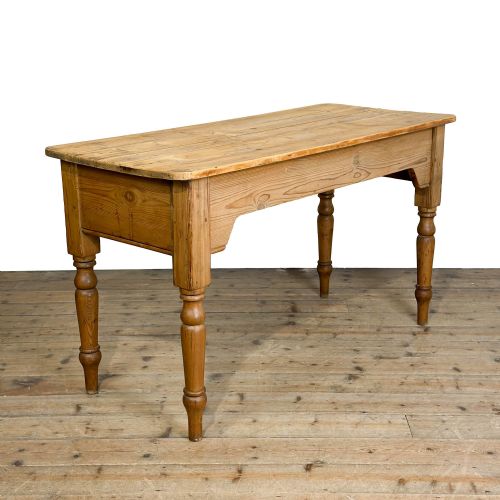
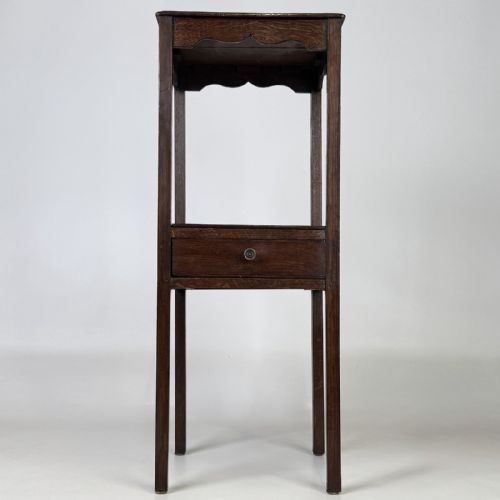
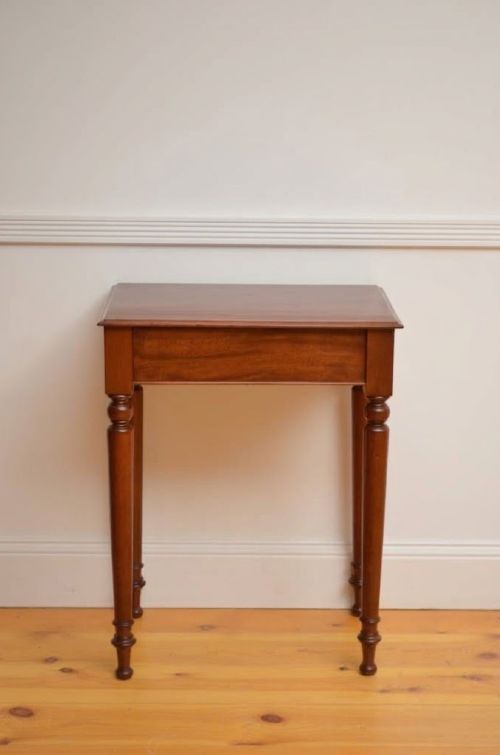
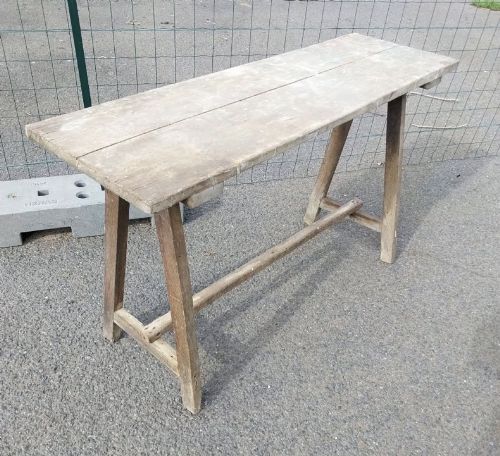
When you need a narrow wood table, you find a practical surface scaled for hallways, bedsides, and compact rooms.
Narrow Wood Table
A narrow wood table serves specific spatial demands in hallways, bedrooms, and reception rooms where floor space remains at a premium.
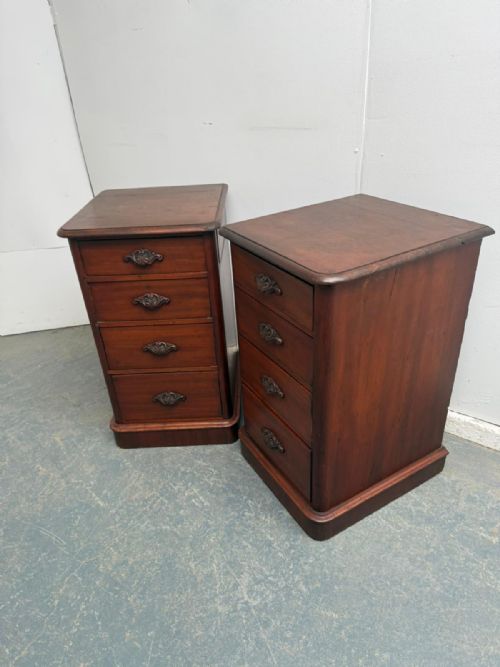
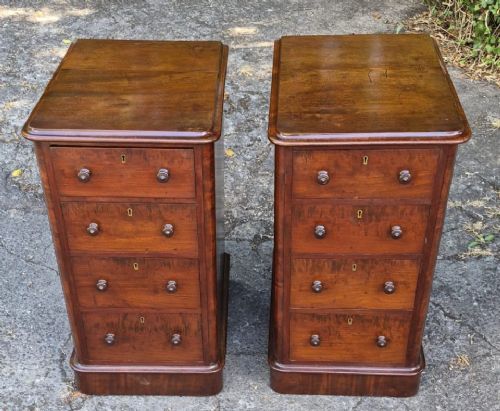
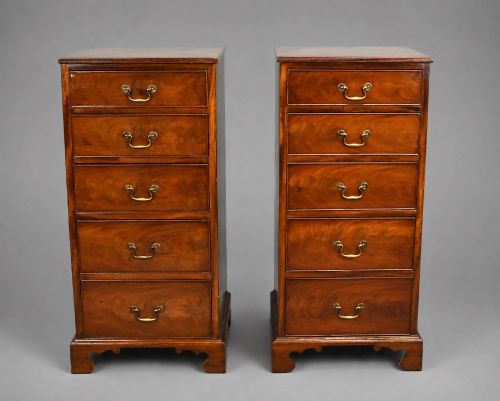
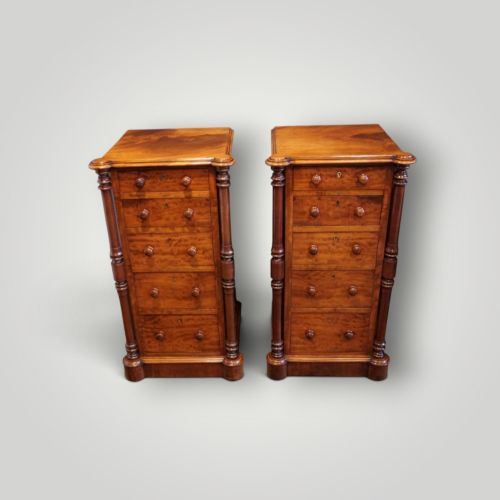
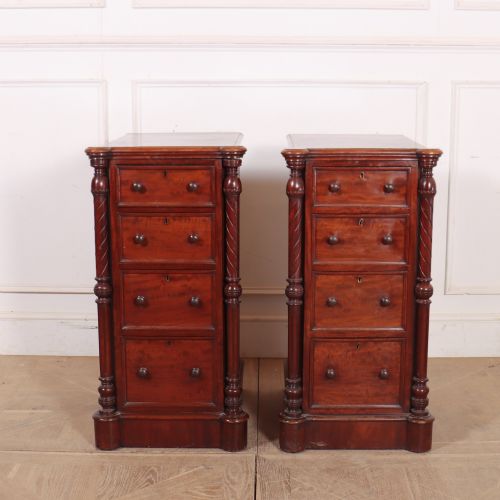
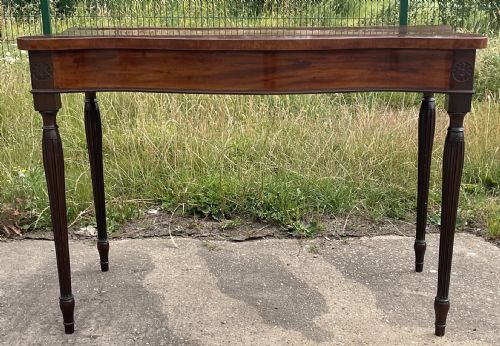
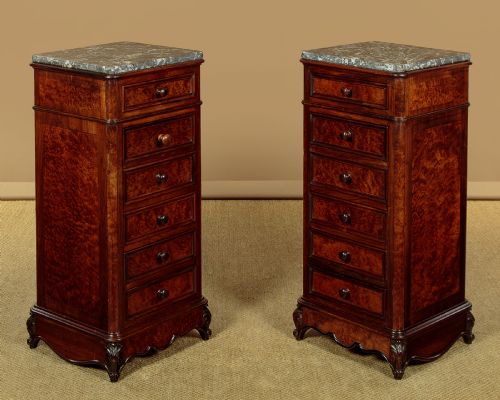
The selection here encompasses forms such as console tables, bedside chests, side tables, and extended laundry tables originating from the nineteenth and early twentieth centuries.
Makers and designers utilise styles ranging from Victorian and Edwardian to Georgian, Neoclassical, and French provincial to shape these timber items.
Materials and Construction
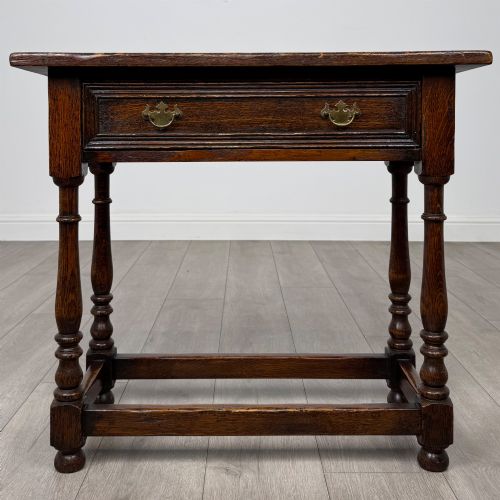
Cabinet makers construct these pieces using solid timbers like mahogany, oak, pine, walnut, rosewood, and beech, often incorporating brass hardware.
Surface treatments vary from waxed finishes and polished mahogany to painted wood, amboyna, and parquetry veneers.
Structural variations include trestle supports, demi-lune shapes, and multi-drawer configurations built for everyday utility.
Narrow Wood Table Retail Price Guide 2026
Typical asking prices for narrow wood table among the pieces listed under this phrase on Sellingantiques today, from the lower quarter to the upper quarter. They describe what is for sale here now, not the wider market.
Listings span the nineteenth century through the 1930s, utilising hardwoods, pine, and painted finishes.
Judging Quality
The degree of refinement in timber selection and figuring, such as highly figured mahogany or detailed parquetry veneer, separates standard pieces from finer examples.
Original hardware, sound joinery in the drawers, and balanced proportions define the integrity of a piece rather than mere age alone.
Druce and Co·Warings Liverpool
The Narrow Wood Table Glossary
- Console table
- A table designed to stand against a wall, frequently fixed or supported by front legs.
- Demilune
- A half-moon shape commonly utilised for small console and hall tables.
- Parquetry
- Geometric mosaic woodwork used for decorative veneer on tabletops and cabinets.
- Sutherland table
- A narrow drop-leaf table that folds down to a slim profile when not in use.
- Dresser base
- A low wooden sideboard or table fitted with drawers and cupboards underneath.
Narrow Wood Table: Frequently Asked Questions
Where should I place a narrow wood table?
These tables suit narrow hallways, tight entryways, and beside beds where standard furniture proves too deep.
Their restricted depth allows passage in confined spaces while providing a functional surface for lamps or correspondence.
What woods were commonly used?
Mahogany and oak dominate the selection, accompanied by walnut, rosewood, pine, and beech.
Some examples feature painted finishes or exotic veneers like amboyna to achieve specific decorative effects.
How do I distinguish Edwardian from Victorian pieces?
Victorian furniture generally employs heavier proportions and dense timbers like dark mahogany or walnut.
Edwardian pieces often display lighter construction, simpler lines, and influences from earlier revival styles.
Are pairs common for these tables?
Bedside chests and side tables frequently appear as matched pairs, particularly from the Victorian and Edwardian periods.
Console tables and larger serving pieces more often survive as single items.