
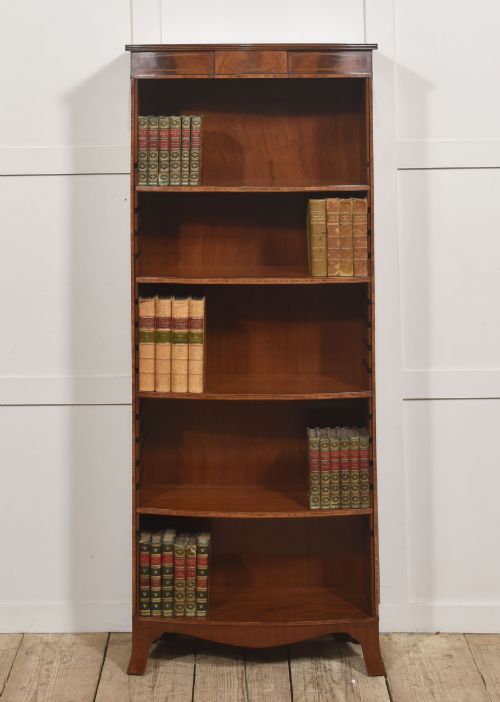


Narrow Open Cabinet
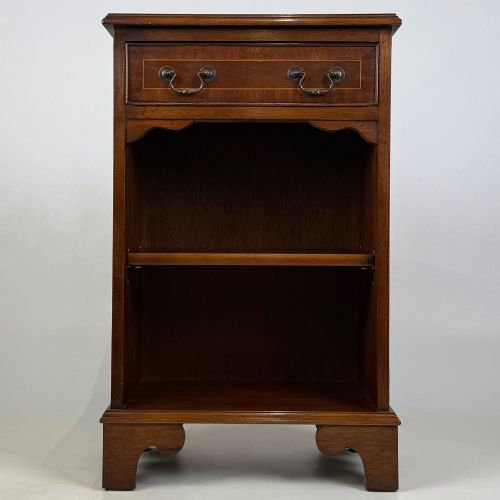
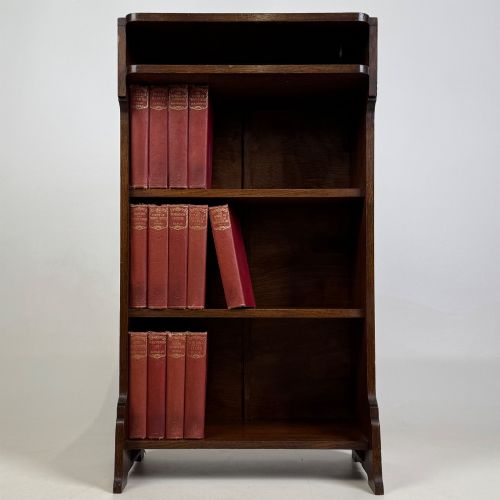
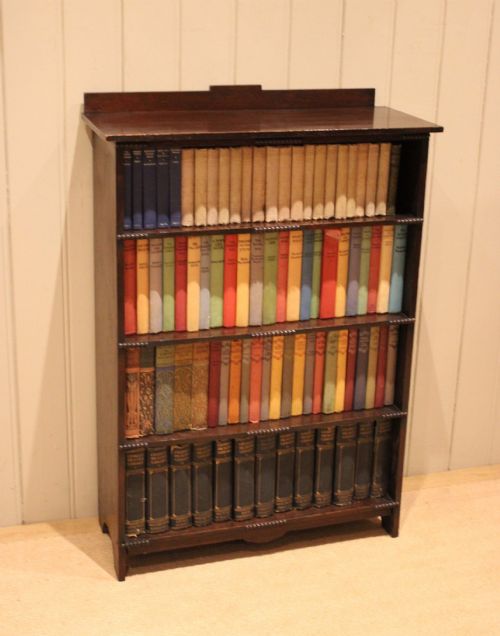
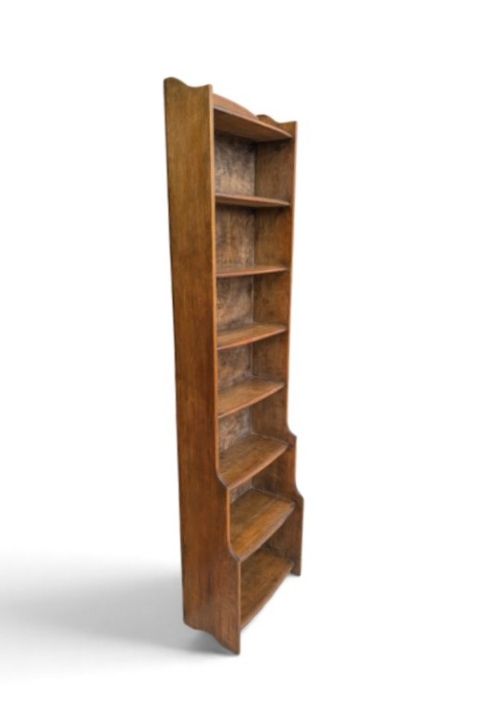
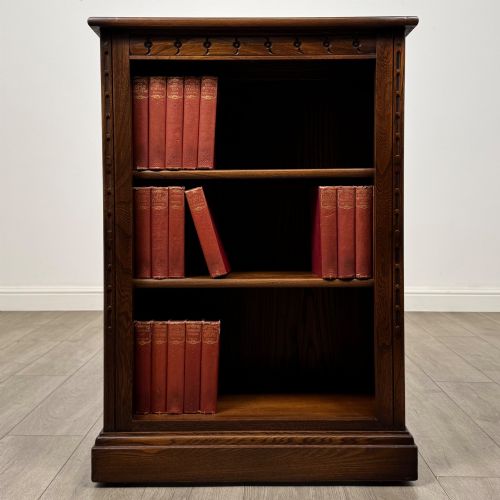
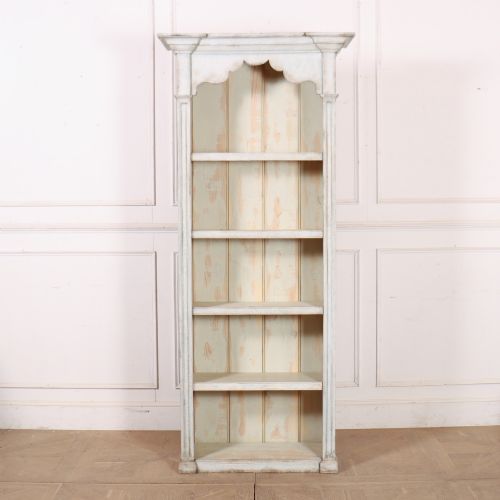
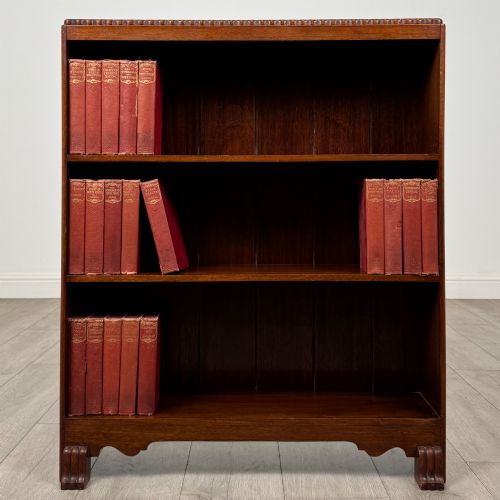
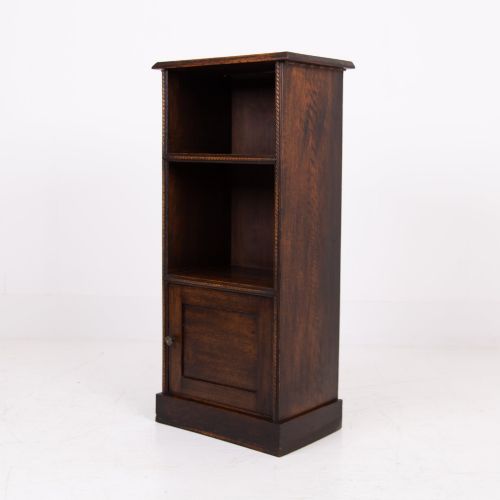
A narrow open cabinet brings upright storage and display to a tight corner, offering accessible shelving in timber and paint.
Narrow Open Cabinet
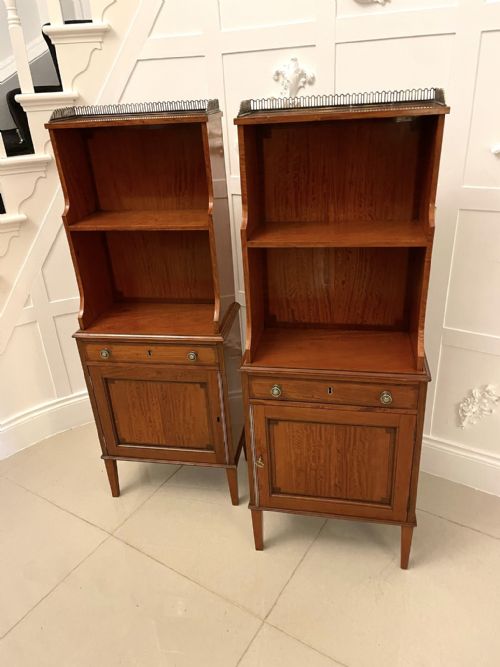
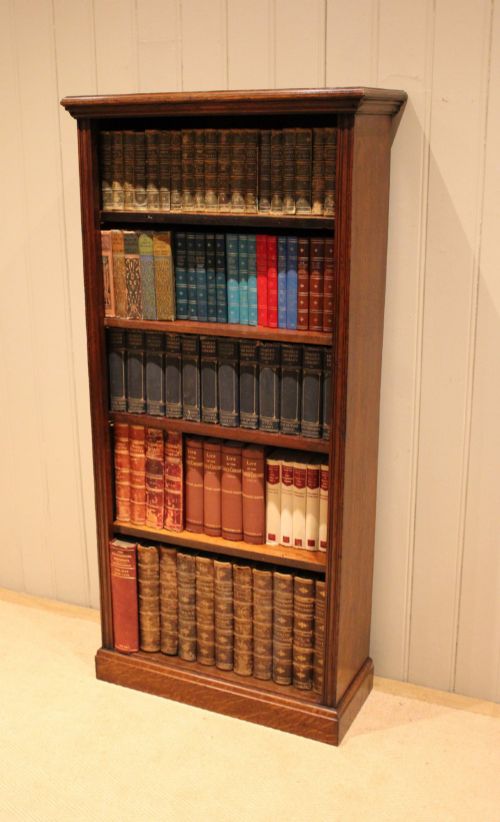
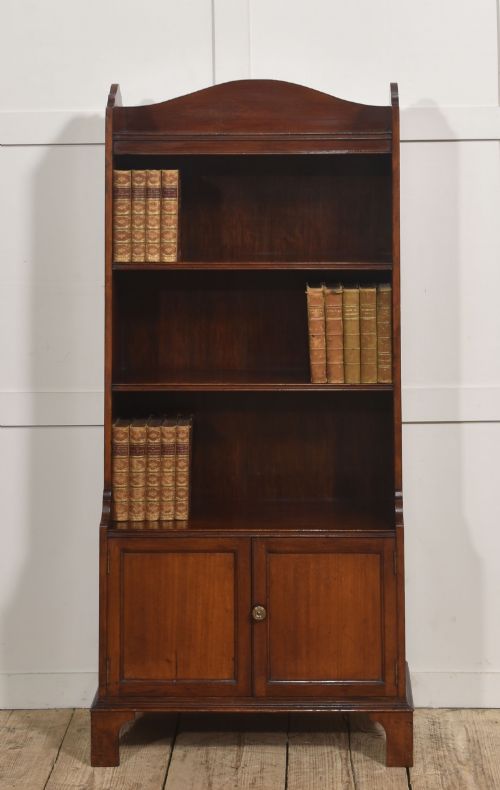
A narrow open cabinet functions primarily as an open bookcase or shelving unit, designed to fit restricted floor space while holding volumes and display pieces. The pieces appearing in this selection span the Victorian, Edwardian, and early twentieth-century periods, alongside revivals from the nineteenth century onward.
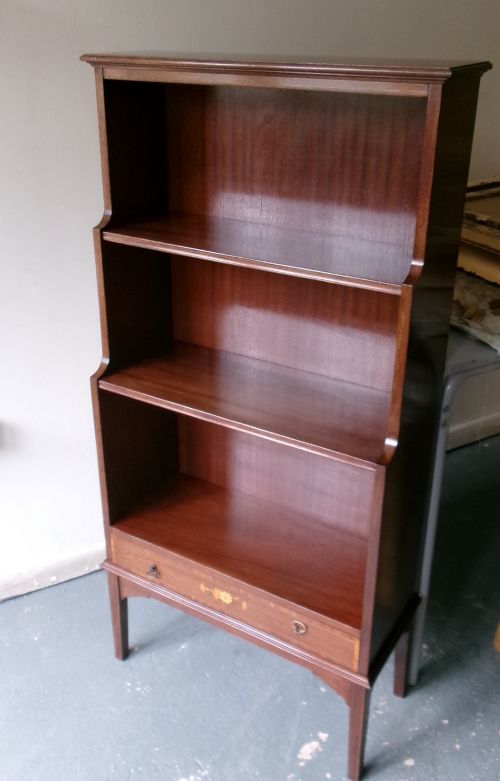
Most examples emerge in timbers such as mahogany, oak, and rosewood, sometimes finished with paint, satinwood, or ebonised details. Forms range from simple waterfall shelving and beaded edge designs to taller adjustable units and small cabinets incorporating cupboards or single drawers.
Buyers encounter diverse stylistic influences across the selection, including Arts and Crafts, Georgian Revival, Jacobean Revival, and French Provincial. These variations provide distinct architectural profiles, from upright country house painted shelving to refined inlaid mahogany library pieces.
Materials and construction methods
Cabinet makers constructed these pieces primarily from solid hardwoods and select veneers, employing mahogany, oak, rosewood, and yew wood. Brass fittings, ormolu mounts, and turned wooden feet frequently support the primary timber structures.
Joinery techniques include adjustable shelving mechanisms, beaded edge detailing, and inlaid marquetry or satinwood banding. Surface finishes encompass traditional French polishing, painted treatments, and ebonised highlights.
One unexpected Victorian shelving stand rolls on its original castors, ready to shift your entire library across the floor.
Judging cabinet quality
Quality rests upon the selection of timber figures, the precision of inlaid banding, and the integrity of the structural joints. Pieces featuring matched pairs or specialist mounts like ormolu demonstrate higher ambition in design and execution.
Gillows
The Narrow Open Cabinet Glossary
- Waterfall bookcase
- A shelving unit where each successive shelf steps back from the one below, creating a cascading profile.
- Beaded edge
- A narrow, rounded moulding carved along the border of a shelf or panel to provide subtle decorative relief.
- Ormolu
- Gilded bronze mounts applied to furniture surfaces for decorative enhancement during the nineteenth century.
- Ebonised
- Wood stained or painted to imitate the dense, dark appearance of ebony.
- Inlay
- Pieces of contrasting timber, shell, or metal fitted into the flush surface of a primary wood to form decorative patterns.
Narrow Open Cabinet: Frequently Asked Questions
Where should I place a narrow open cabinet?
These compact units suit hallways, alcoves, and small reception rooms where floor space remains restricted but vertical storage is required.
Their shallow depth allows them to sit comfortably against walls without obstructing thoroughfares or overwhelming small interiors.
How do I adjust the shelves?
Many Victorian and Edwardian examples utilise traditional wooden track systems or brass rack strips set into the interior sides.
Shelves rest upon small metal supports or wooden pegs that lift out to reposition boards at different heights.
Can these cabinets support heavy books?
Solid hardwood versions in oak or mahogany handle substantial volumes easily, provided the shelves are thick enough not to sag.
Satinwood or veneered examples require more mindful loading to protect delicate timbers and decorative surfaces from strain.
How do I distinguish Edwardian from Victorian pieces?
Victorian cabinets often display heavier proportions, darker finishes, and more ornate carving or ormolu mounts.
Edwardian alternatives tend to favour lighter mahogany or satinwood timbers, with refined inlay work and simpler, airier silhouettes.