



Narrow Hall Furniture
Narrow hall furniture brings compact character to tight spaces, offering console tables, benches, and cupboards shaped by centuries of practical design.
Narrow Hall Furniture
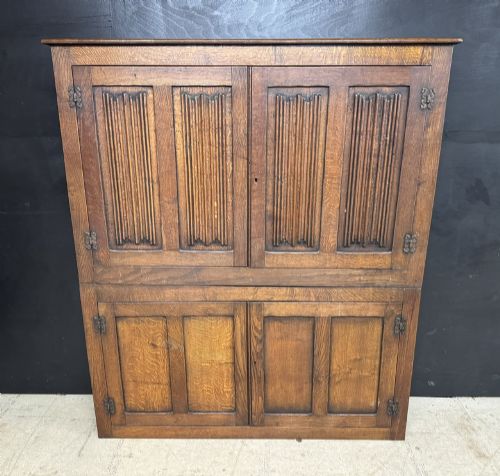
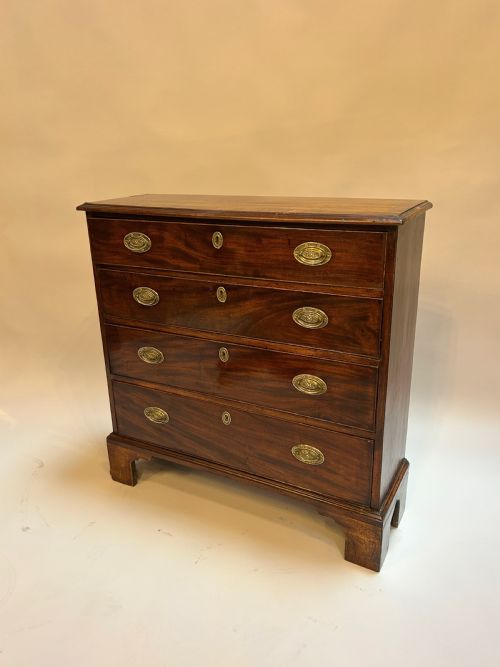
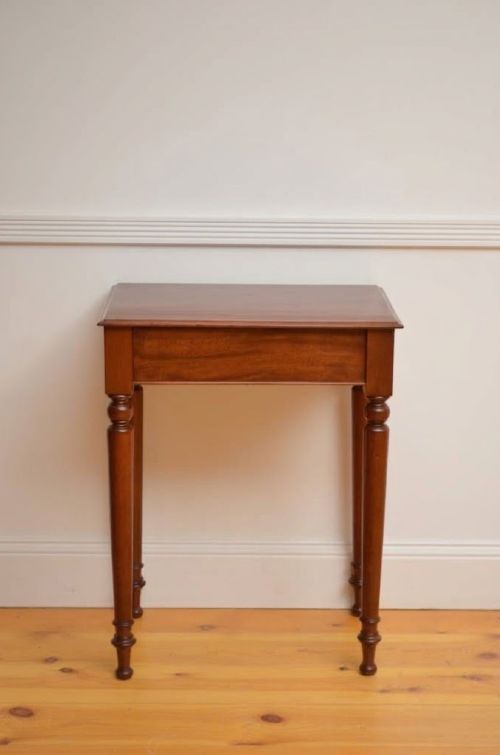
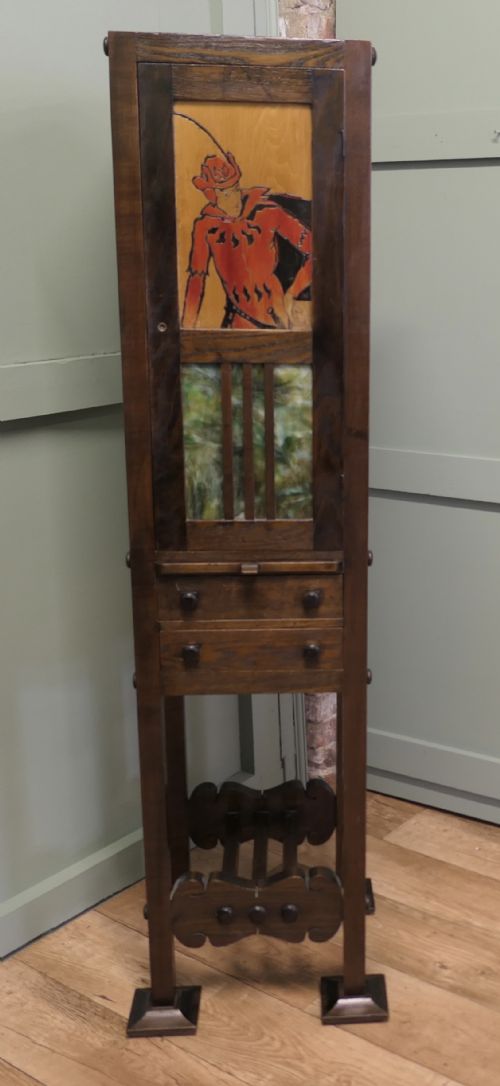
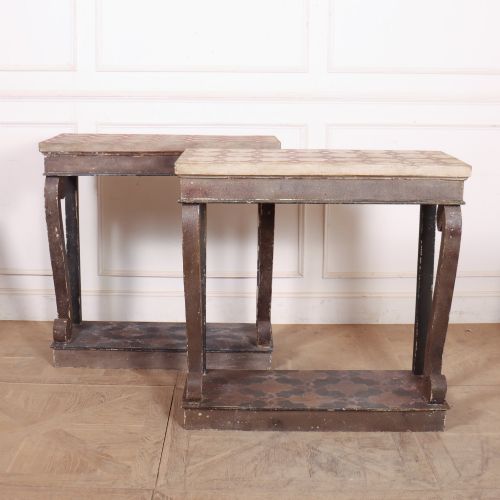
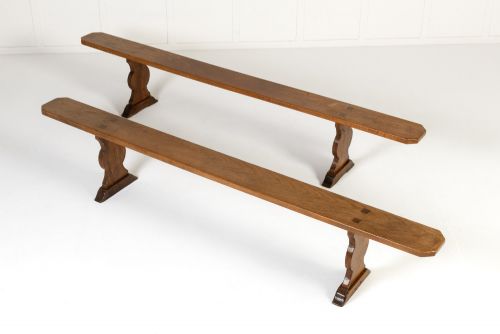
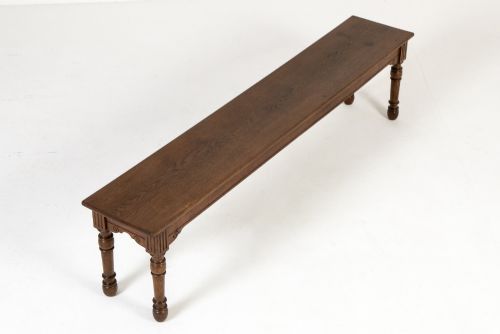
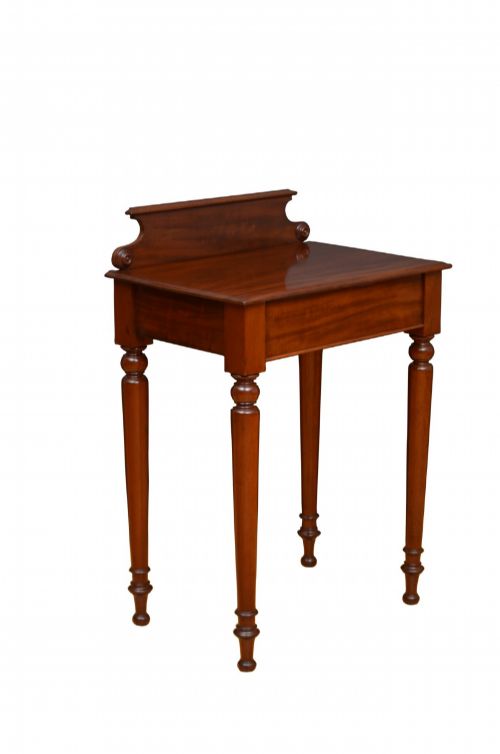
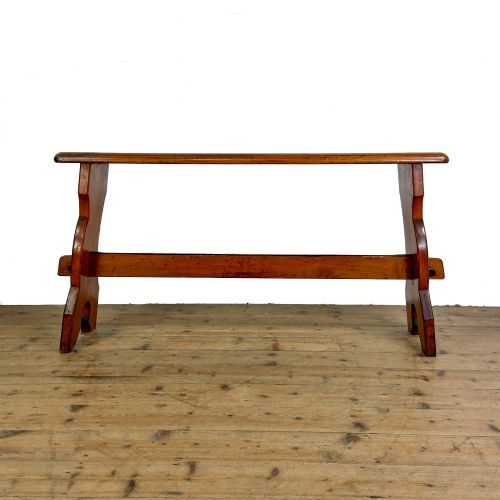
Narrow hall furniture encompasses console tables, benches, hall stands, and small cupboards chosen for compact entryways and corridors. The pieces on this page span the nineteenth century into the 1920s, ranging from Georgian hall chests of drawers to Edwardian cabinets and Arts and Crafts oak tables.
Forms are defined by constrained depths suited to narrow passages. You will find slender console tables, low benches, and tall cupboards designed to maximise limited floor space without obstructing movement.
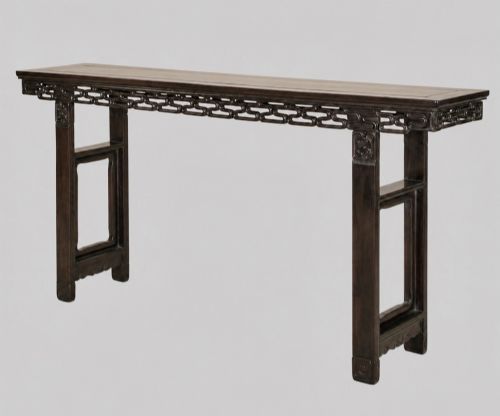
Origins stretch from British workshops to French provincial makers, Spanish studios, and Chinese export pieces. Regional styles include Tudor Revival, Aesthetic Movement, and Qing Dynasty altar tables.
How they were made
Makers relied on durable timbers such as oak, mahogany, pine, and exotic hardwoods like hongmu and bamboo. Surfaces were left plain, bleached, or painted according to the prevailing taste of the period.
Construction techniques balanced stability with slender proportions, utilising solid timber joints for benches and fine veneers for figured mahogany console tables. Glass, brass, and iron hardware provided functional and decorative accents.
Narrow Hall Furniture Retail Price Guide 2026
Typical asking prices for narrow hall furniture among the pieces listed under this phrase on Sellingantiques today, from the lower quarter to the upper quarter. They describe what is for sale here now, not the wider market.
Listings feature oak, mahogany, and pine alongside exotic bamboo and hongmu, spanning the Victorian, Edwardian, and Georgian eras.
What varies in quality
Quality rests in the selection of materials, such as finely figured mahogany or clean quarter-sawn oak. The handling of secondary timbers and the crispness of carved or turned details mark the difference between standard utility items and finer workshop productions.
Proportion and structural integrity dictate success in restricted spaces. Pieces that maintain a genuinely slim footprint while offering robust daily utility demonstrate superior design intent.
Shapland and Petter·Druce and Co
The Narrow Hall Furniture Glossary
- Console table
- A table designed to stand against a wall, frequently secured with brackets or resting on slender legs. These tables suit narrow circulation areas where floor space is limited.
- Hall stand
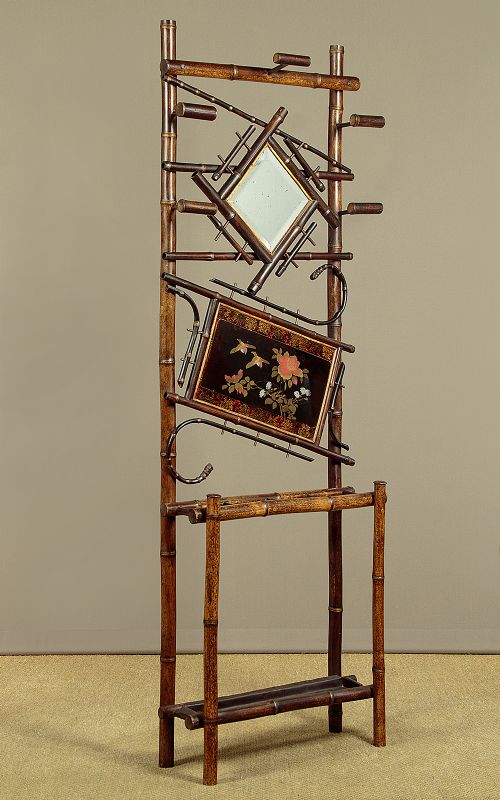
- A piece of furniture combining coat hooks, umbrella stands, and often a small mirror or glove box. They organise outerwear in entranceways.
- Altar table
- A traditional Chinese table featuring elongated proportions and upturned ends. In Western interiors, their slender profiles adapt well to hallways.
- Pier table
- A low table designed to fit against the wall space between windows. They share similar shallow depths with console tables.
- Aesthetic Movement
- A late nineteenth-century design style emphasising visual beauty over narrative meaning. Pieces often incorporate bamboo or simplified structural forms.
Narrow Hall Furniture: Frequently Asked Questions
How do I choose the right depth for my hallway?
Measure the clearance required for doors to open and people to pass comfortably before selecting a console or bench. Depths vary considerably across these historical pieces.
Slim console tables and shallow benches work best where space is at an absolute premium, ensuring corridors remain unobstructed.
Can I use an altar table in a modern entrance?
Chinese altar tables offer exceptionally narrow profiles that fit neatly against corridor walls. Their height and length provide a striking surface for keys or lighting.
Pairing an antique hardwood table with contemporary decor creates a balanced focal point upon entering the home.
What is the difference between a pier table and a console table?
Pier tables were originally designed specifically for the wall space, or pier, between two windows. Console tables are more general wall-mounted or leg-supported tables.
Both offer the shallow proportions needed for narrow circulation spaces, though pier tables often carry more formal nineteenth-century styling.
How do I care for bleached oak furniture?
Bleached oak surfaces require gentle dusting with a dry or slightly damp cloth to preserve the pale finish. Avoid harsh chemical cleaners that can strip the wood.
Keep these pieces away from direct heat sources and strong sunlight to prevent the timber from drying out or discoloring over time.