

Narrow Glazed Cabinet
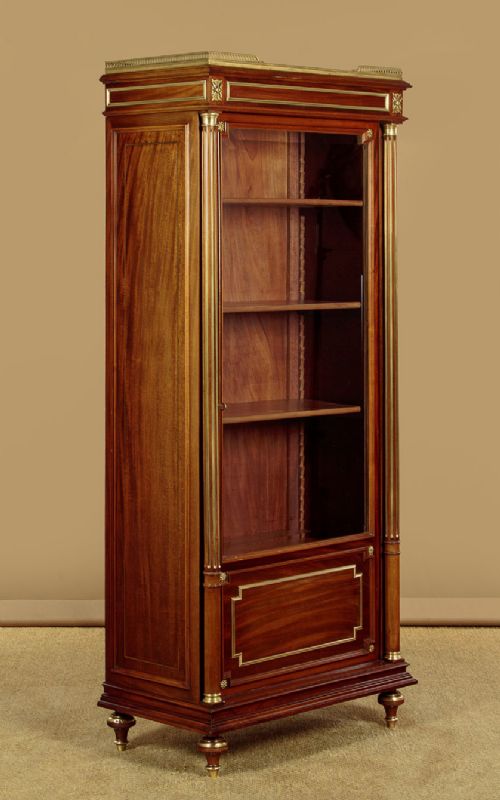
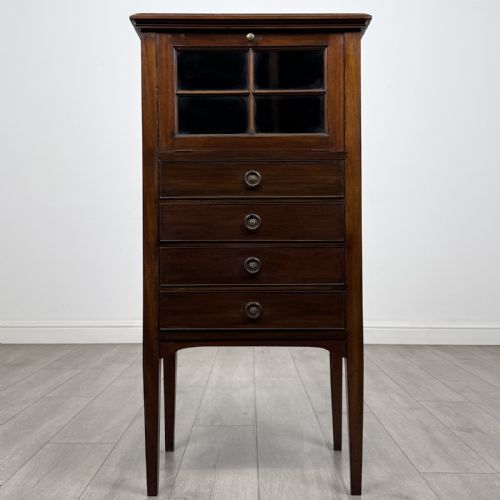
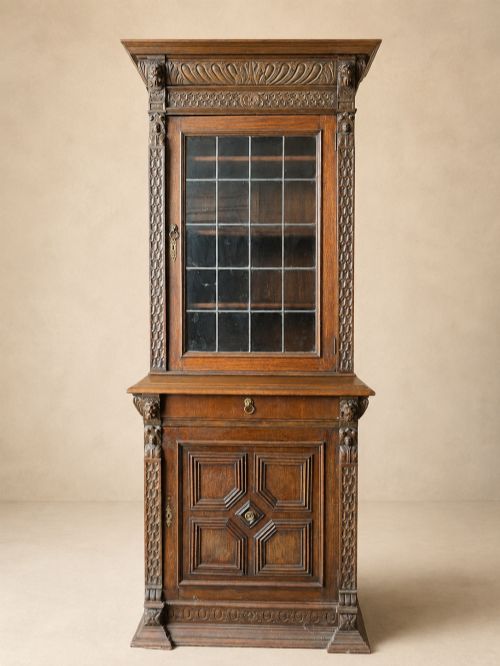
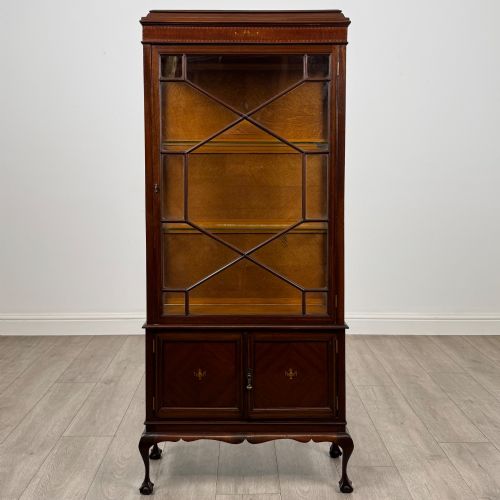
A narrow glazed cabinet holds books and display pieces where floor space is tight, combining glass fronts with timber frames from the nineteenth and twentieth centuries.
Narrow Glazed Cabinet
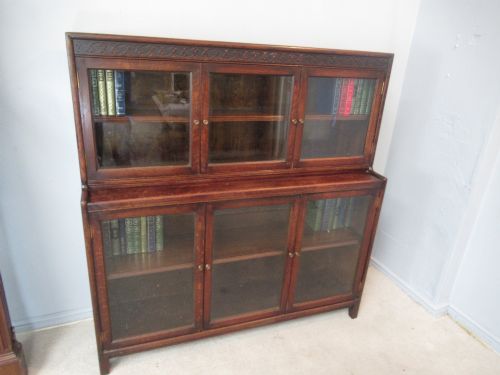
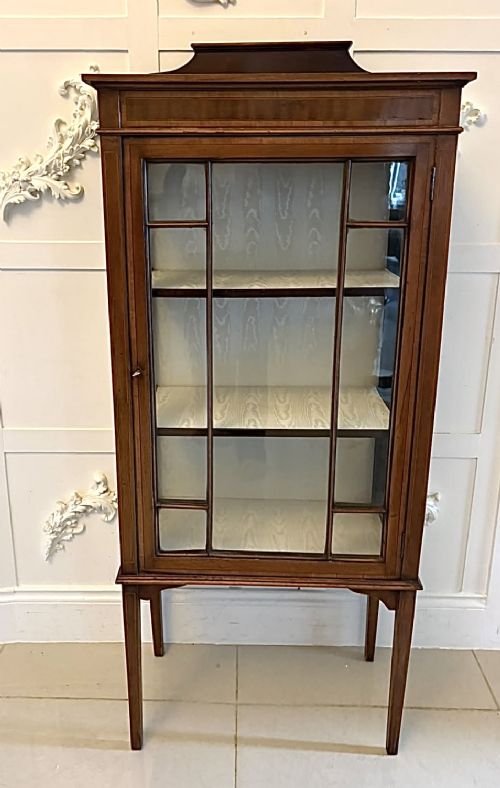
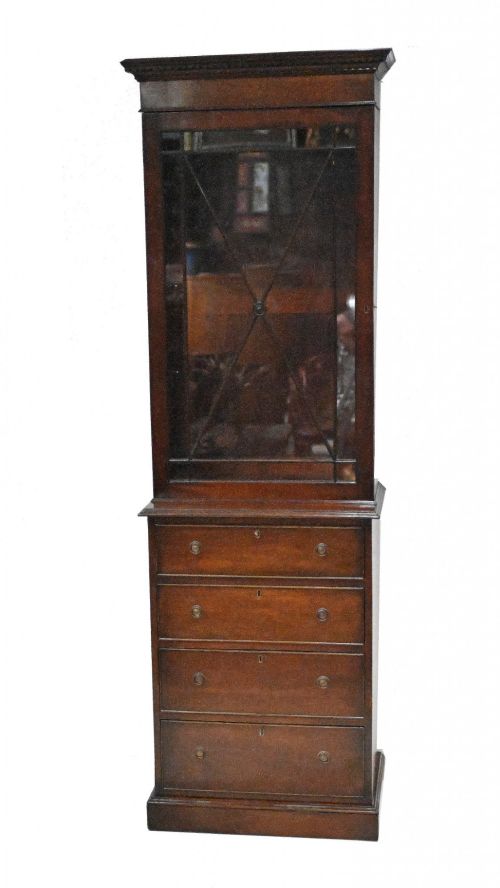
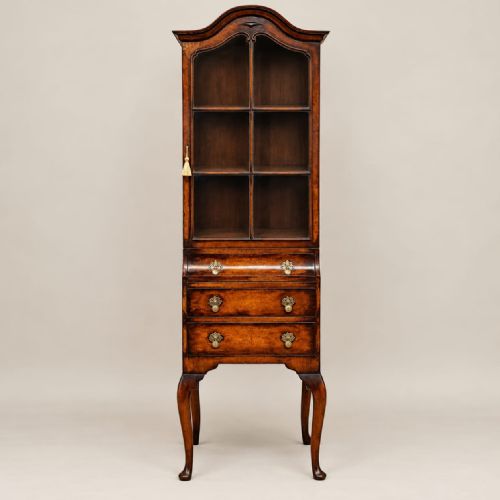
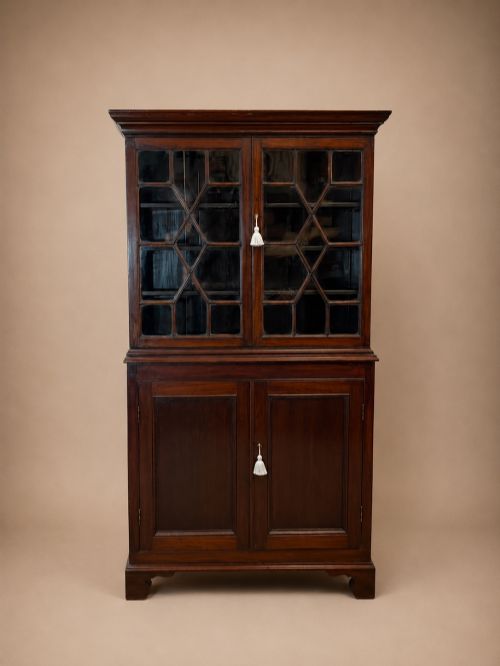
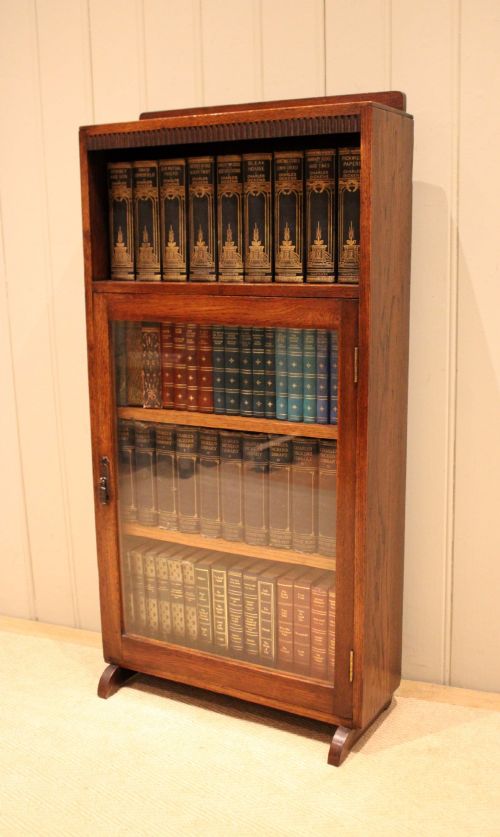
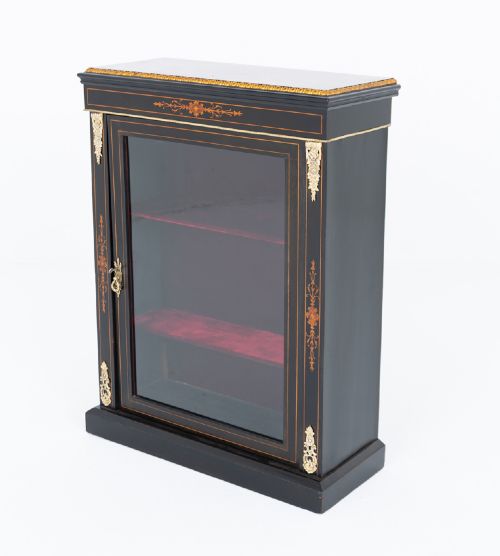
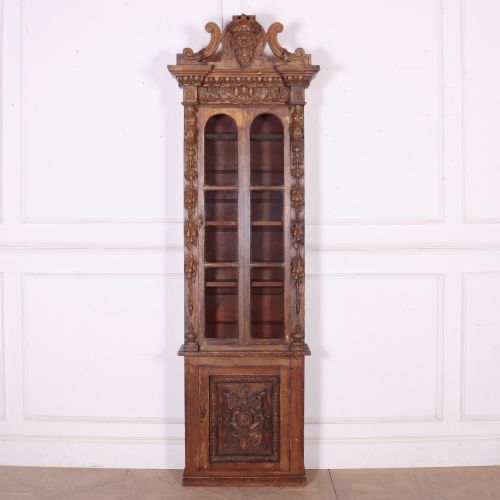
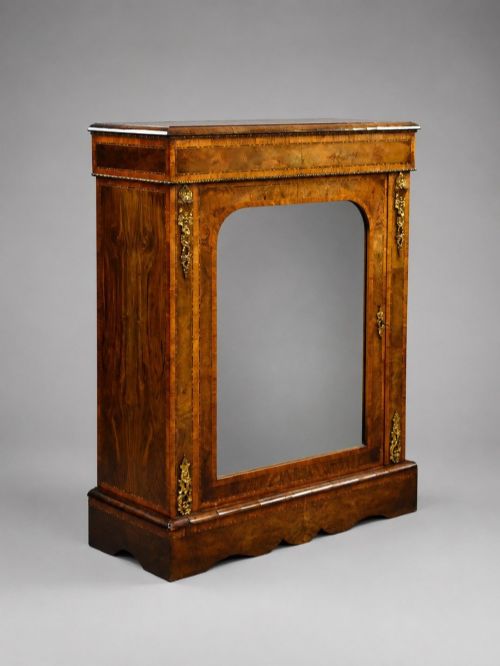
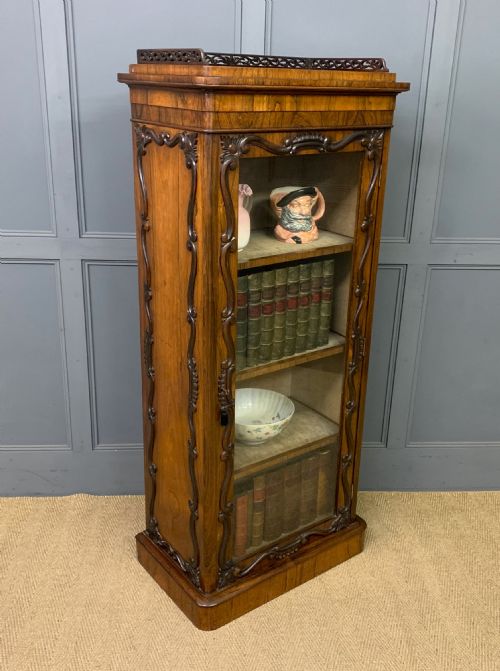
When searching for a narrow glazed cabinet, buyers encounter upright display furniture designed to fit constrained walls and corners while exhibiting contents safely behind glass. The pieces seen here span the Victorian and Edwardian eras alongside 1920s and 1930s examples, offering tall, slim proportions well suited to modern rooms.
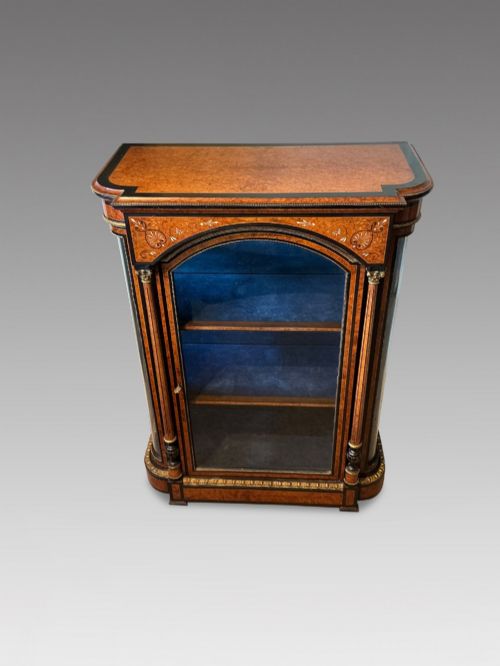
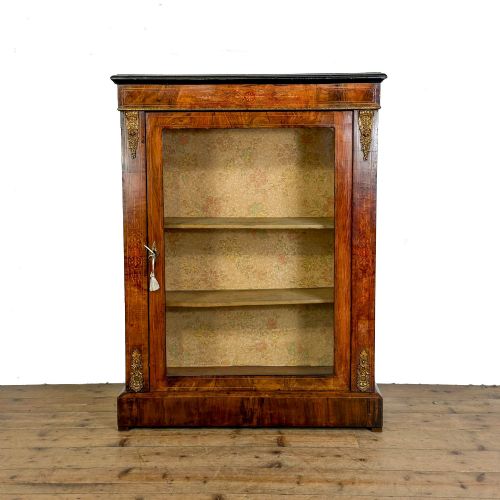
The selection ranges from dedicated pier cabinets intended for drawing rooms to tall bookcases and slim glazed cupboards. Mahogany and walnut versions dominate the nineteenth-century entries, while oak and pine appear frequently across later twentieth-century and interwar pieces.
Origin and maker variety shape the selection, with French and British workshops represented alongside specific cabinet forms like astragal-glazed bookcases and low pier cabinets. Buyers most often meet compact Edwardian inlaid models and substantial Victorian walnut or mahogany formats.
Timbers, Glass and Joinery
Construction relies heavily on dense hardwoods such as mahogany, oak, and walnut, often enhanced with burr walnut veneers, satinwood banding, or marquetry inlay. Cabinetmakers framed these timbers around glazed doors, frequently utilising brass mounts, ormolu details, and ebonised finishes to frame the display area.
Internal shelving and glazed panels require precise joinery to support heavy collections of books or ceramics within a narrow footprint. French polishing or wax finishes seal the timber surfaces, while specialised glazing bars divide the glass panes into geometric or astragal patterns.
Narrow Glazed Cabinet Retail Price Guide 2026
Typical asking prices for narrow glazed cabinet among the pieces listed under this phrase on Sellingantiques today, from the lower quarter to the upper quarter. They describe what is for sale here now, not the wider market.
Materials recorded across the archive and current inventory include brass, ormolu, mahogany, oak, walnut, and satinwood.
Distinctions in Execution and Materials
Quality rests upon the selection of timber veneers, such as figured mahogany or burr walnut, and the crispness of hand-carved details or marquetry inlay. Superior examples demonstrate precise joinery in the glazing bars and well-fitted doors that maintain alignment over decades of use.
The inclusion of secondary materials like ormolu mounts, ceramic plaques, or fine brass hardware separates standard utility storage from ambitious parlour display furniture. Untouched original surfaces and refined proportions elevate an individual cabinet above mass-produced alternatives.
James Winter·Gillows of Lancaster·Minty
The Narrow Glazed Cabinet Glossary
- Pier cabinet
- A low cabinet designed specifically to stand against the narrow wall space between windows.
- Astragal
- Moulding strips that divide glass panes within a door or window into smaller segments.
- Marquetry
- Decorative patterns formed by fitting together thin veneers of various coloured woods.
- Ebonised
- Timber treated with a dark stain or finish to imitate the appearance of ebony.
- Secretaire
- A cabinet incorporating a pull-down writing flap with internal drawers and pigeonholes.
Narrow Glazed Cabinet: Frequently Asked Questions
How do I distinguish Victorian from Edwardian cabinets?
Victorian pieces typically employ darker timbers like rosewood and heavy walnut with rich, deep finishes and ornate marquetry. They often feature robust mouldings and heavier proportions.
Edwardian cabinets lean towards lighter woods such as satinwood and mahogany, frequently incorporating delicate satinwood inlay, Sheraton revival motifs, and airier framing.
What is an astragal glazed door?
An astragal glazed door uses narrow wooden bars to hold multiple smaller panes of glass in a geometric grid pattern. This traditional technique predates large single sheets of plate glass.
Such doors add architectural texture and structural rigidity to the front of slim bookcases and display cabinets.
Can these cabinets support heavy book collections?
Solid oak and mahogany variants built during the nineteenth and early twentieth centuries offer sturdy shelving capable of holding substantial volumes. The interior timber thickness and adjustable bracket systems determine weight capacity.
Lighter display cabinets featuring delicate satinwood frames serve better for ceramics and light decorative items rather than dense libraries.