


Narrow Cabinet Bookcase
A narrow cabinet bookcase holds books and displays small objects while taking up minimal floor space in a compact room.
Narrow Cabinet Bookcase
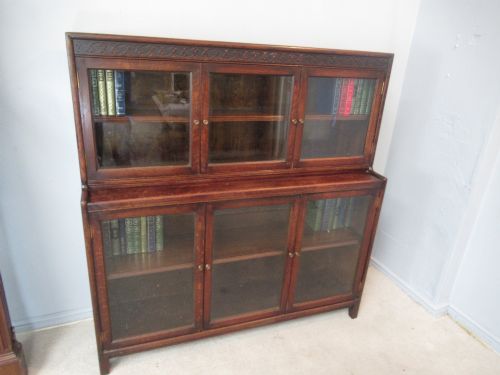
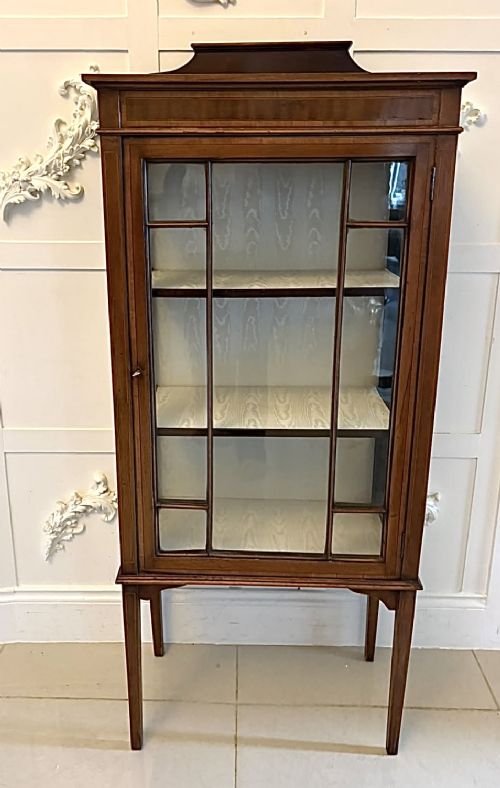
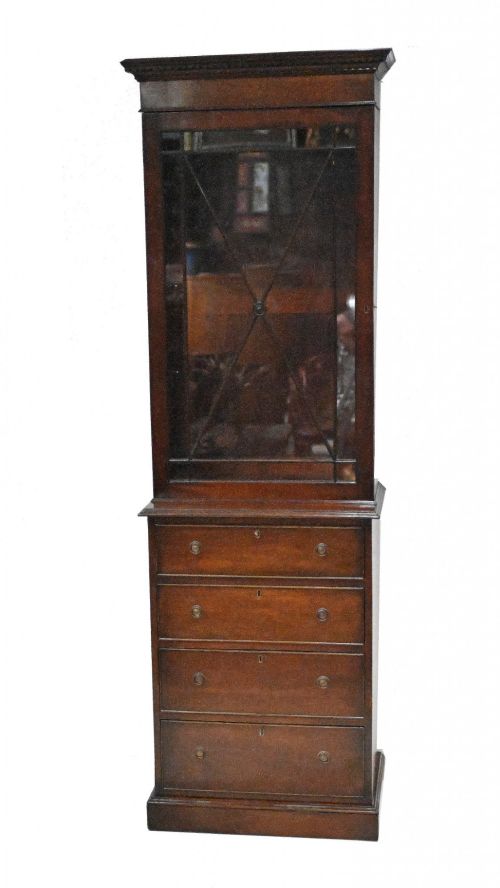
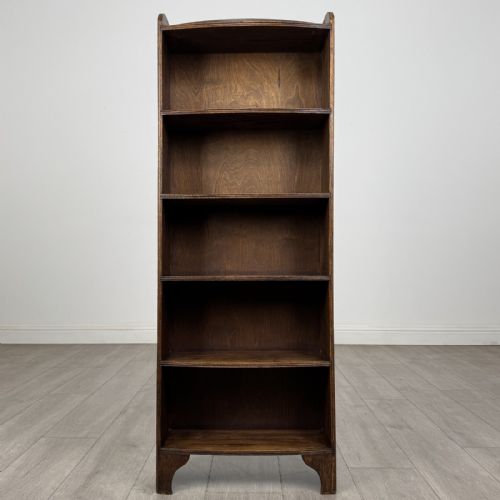
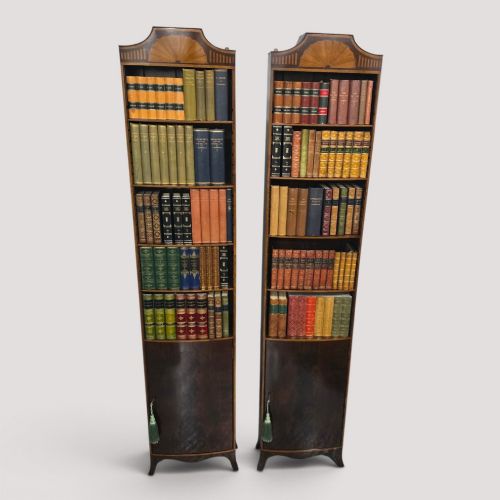
A narrow cabinet bookcase combines vertical storage with display space, often standing tall and slim to fit restricted wall spaces. When you search for narrow cabinet bookcase, you find pieces designed to house volumes while keeping room footprints small.
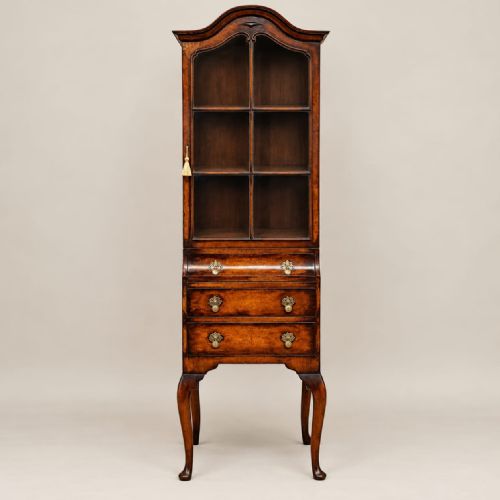
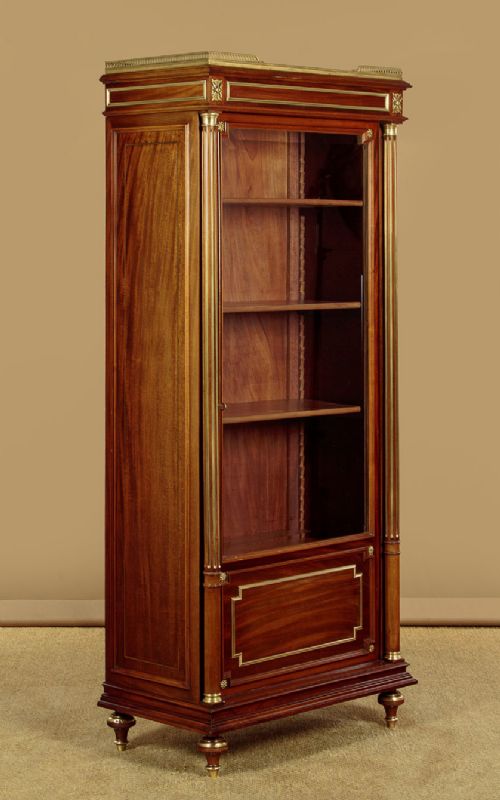
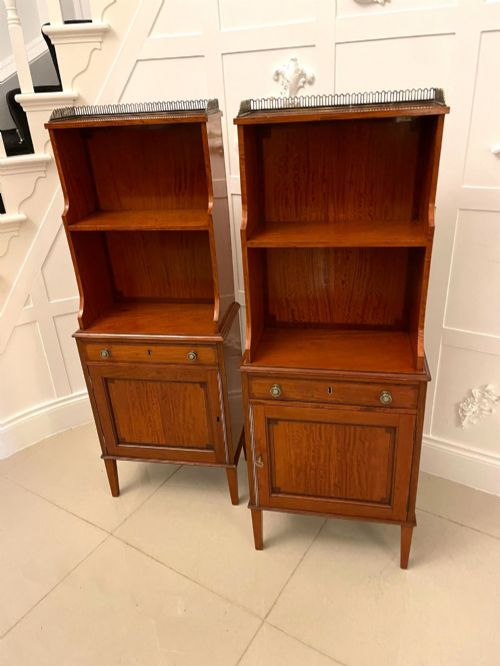
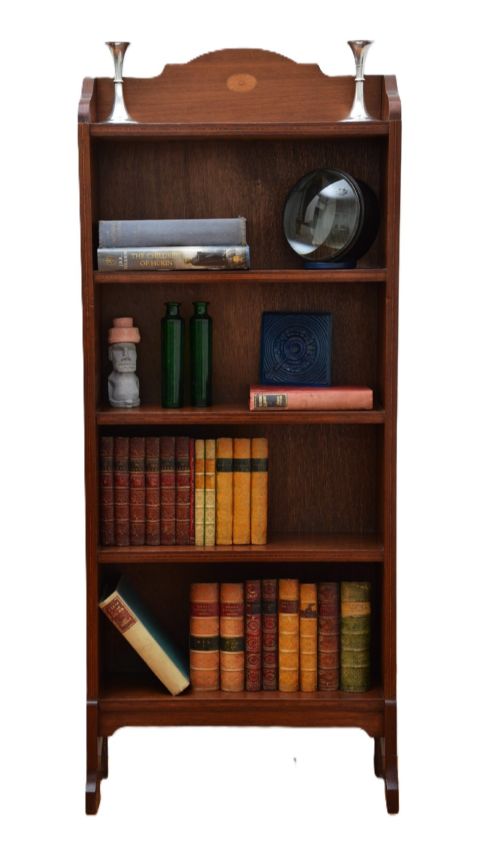
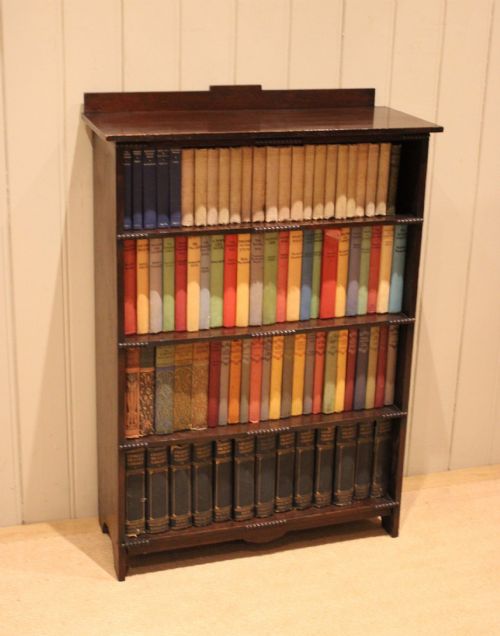
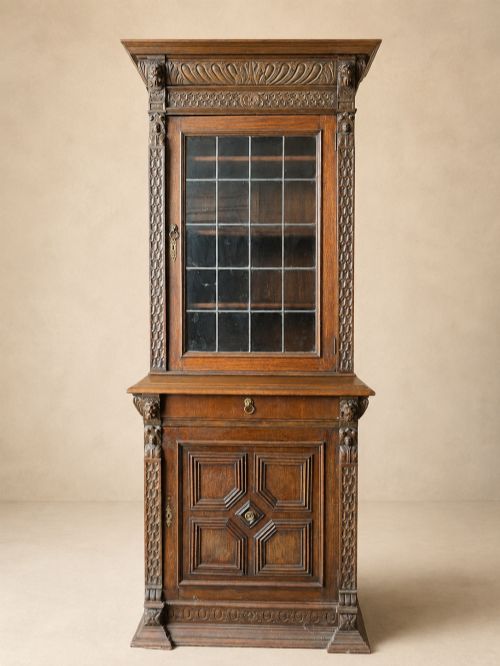
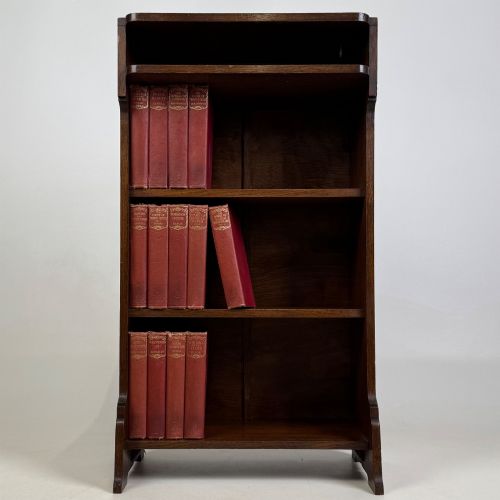
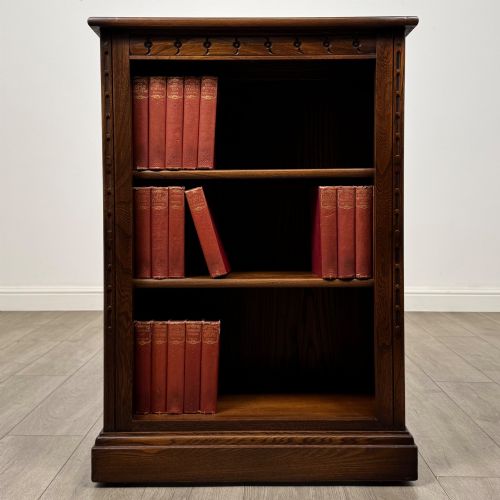
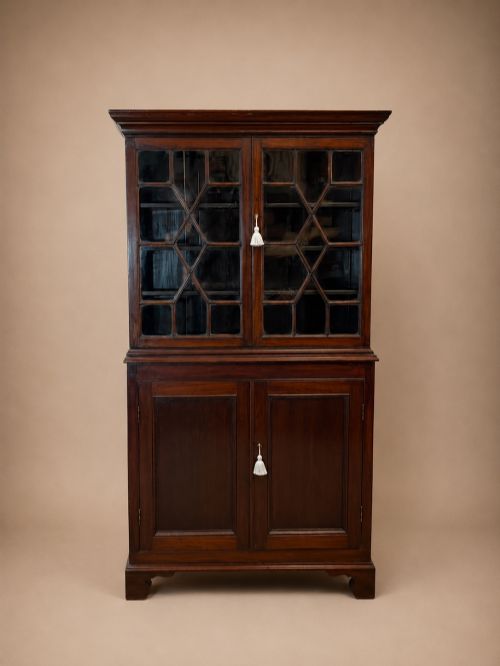
The selections span the Victorian, Edwardian, and early twentieth century periods, alongside revival styles like Queen Anne and Georgian. You meet open shelving formats alongside glazed display cabinets and cupboards with brass hardware.
Originating from periods when rooms demanded efficient furniture, these pieces serve libraries, sitting rooms, and hallways equally well. Oak and mahogany dominate the offerings, frequently incorporating adjustable shelves and inlaid details.
What varies in quality
The standard of timber selection and veneer matching defines the visual appeal of a piece, separating straightforward utilitarian items from finer decorative examples. Finishes executed with care highlight natural grain patterns without obscuring the underlying material.
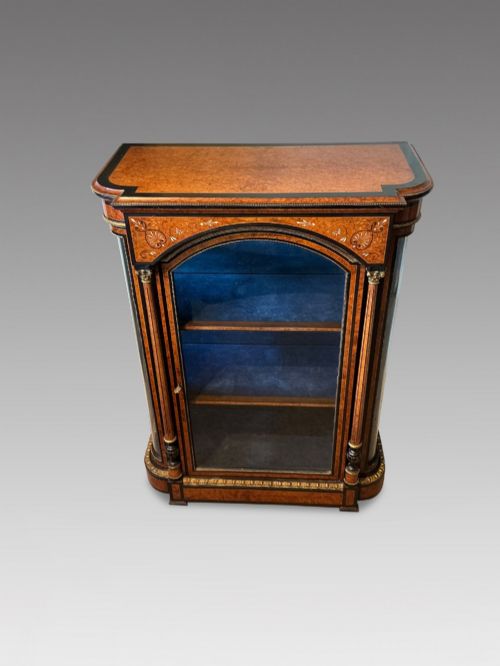
Proportion and execution of carved details or inlaid marquetry reflect the skill involved in production. Well-fitted doors, smooth adjustable shelving mechanisms, and original brass hardware indicate higher execution standards.
Narrow Cabinet Bookcase Retail Price Guide 2026
Typical asking prices for narrow cabinet bookcase among the pieces listed under this phrase on Sellingantiques today, from the lower quarter to the upper quarter. They describe what is for sale here now, not the wider market.
Formats range from open library shelving and glazed display cabinets to corner units and chimney cupboards.
Gillows·James Winter·Ercol·Minty
The Narrow Cabinet Bookcase Glossary
- Pier Cabinet
- A low cabinet designed to stand against a narrow wall space between windows. These pieces often feature glass doors for displaying collected objects.
- Open Bookcase
- A shelving unit without doors, providing direct access to books. They frequently incorporate adjustable shelves supported by wooden pegs or metal tracks.
- Glazed Display Cabinet
- A cabinet featuring glass panes set into wooden doors to protect contents from dust. They allow visibility of books or ornaments while keeping them enclosed.
- Inlay
- A technique where contrasting woods or materials are inserted into recesses within the primary surface. This method creates decorative patterns and borders on cabinet doors or cornices.
- Burr Walnut
- Timber taken from the burl growth of a walnut tree, yielding swirling grain patterns. Cabinet makers utilised these veneers on prominent surfaces for visual richness.
Narrow Cabinet Bookcase: Frequently Asked Questions
What is a narrow cabinet bookcase used for?
These pieces serve primarily to store books and display decorative objects in rooms with limited wall space. Their vertical proportions maximise storage capacity while maintaining a small footprint.
They appear in studies, living rooms, and hallways where standard furniture would overwhelm the floor area. The combination of open shelves and enclosed cupboards allows both accessible storage and dust-free display.
How do I tell Edwardian pieces apart from Victorian ones?
Victorian examples generally utilise darker timbers like rosewood and heavy mahogany, often featuring rich carving and robust proportions. The construction reflects mid to late nineteenth-century preferences for substantial furniture.
Edwardian pieces tend toward lighter satinwood and mahogany with delicate inlay work and refined edges. The overall aesthetic feels brighter and more restrained, aligning with early twentieth-century design shifts.
Are the shelves adjustable on these bookcases?
Many examples feature adjustable shelving to accommodate books of varying heights. This flexibility was achieved through wooden support strips or mechanical fittings inside the carcass.
Fixed shelves also appear, particularly in simpler open bookcases or older formats. Checking the interior reveals whether the shelf heights can be altered.
How do I care for timber veneer furniture?
Protect antique wood surfaces from direct sunlight and extreme temperature fluctuations to prevent veneer lifting or timber splitting. Regular dusting with a soft, dry cloth maintains the finish without needing harsh polishes.
Applying occasional specialist wax helps nourish hardwoods like mahogany and oak. Keeping environmental conditions stable preserves the structural integrity of the joints and glass fittings.