





Napoleon III Tiered Stand
A napoleon iii tiered stand brings French Second Empire display and surface space into a room.
Napoleon III Tiered Stand
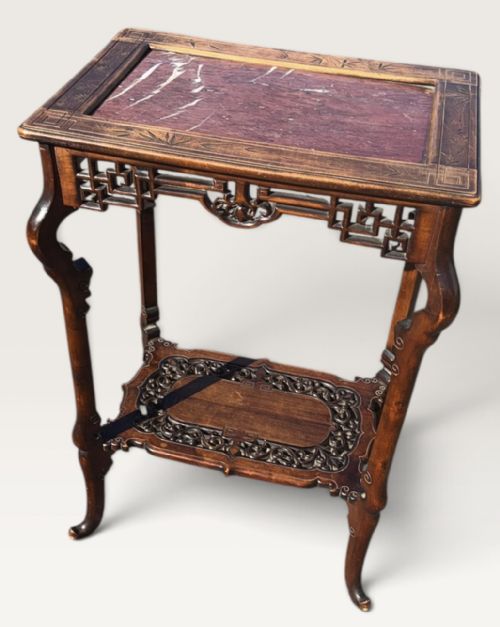
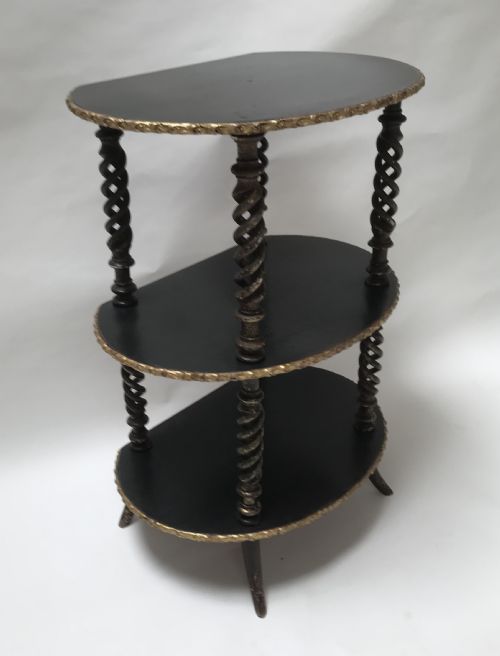
A napoleon iii tiered stand is a multi-level piece of furniture designed for display or serving, typically associated with French styles of the nineteenth century. These items take forms such as étagères, side tables, and whatnots that utilise multiple surfaces arranged vertically.
Buyers browsing this selection will most frequently encounter walnut, amboyna veneer, or mahogany structures. Pieces span periods from the mid nineteenth century through to the early twentieth century, reflecting French Napoleon III designs and Victorian influences.
The layout often incorporates brass inlay, ormolu mounts, and marquetry detailing across tiered platforms. Such stands function equally well as tea tables, tabletop étagères, or freestanding display units.
How they were made
Construction relies heavily on timbers such as walnut, rosewood, and mahogany, frequently enhanced by amboyna veneer or ebonised wood surfaces. Cabinetmakers shaped these hardwoods into multi-tiered frameworks to support varied display requirements.
Decoration involves detailed marquetry inlay, bronze ormolu mounts, and brass elements fitted precisely into the timber. Some iterations also integrate marble tops or feature original painted finishes.
Napoleon III Tiered Stand Retail Price Guide 2026
Typical asking prices for napoleon iii tiered stand among the pieces listed under this phrase on Sellingantiques today, from the lower quarter to the upper quarter. They describe what is for sale here now, not the wider market.
One stand arrives ready for afternoon tea with two tiers and bronze ormolu mounts, perfect for historical refreshment.
What varies in quality
Quality rests in the selection of veneers and the precision of the marquetry inlay across the tiers. Richly figured amboyna or walnut combined with crisp bronze ormolu mounts elevates a piece above simpler timber constructions.
The fineness of the brass inlay work and the structural integrity of the multiple levels distinguish standard examples from finer French workshop production.
The Napoleon III Tiered Stand Glossary
- Étagère
- A set of open shelves or tiers designed for displaying small objects or ornaments. This form is central to the Napoleon III style.
- Ormolu
- Gilded bronze mounts applied to furniture for decorative effect. These metal ornaments are characteristic of French Second Empire pieces.
- Marquetry
- Decorative veneer patterns formed by fitting together small pieces of wood. This technique creates pictorial or geometric designs on tabletops and shelves.
- Amboyna veneer
- A highly figured, reddish-brown wood used to surface furniture panels. It provides a distinctive patterned texture to the tiers.
- Whatnot
- A piece of furniture with shelves for books or ornaments. It serves a similar function to an étagère.
Napoleon III Tiered Stand: Frequently Asked Questions
What is a Napoleon III tiered stand?
A Napoleon III tiered stand is a multi-level French display piece from the nineteenth century or early twentieth century. It provides open surfaces utilising woods like walnut, rosewood, and amboyna veneer.
These items appear as étagères, whatnots, or tea tables decorated with marquetry and ormolu mounts. They were designed to hold ornaments, books, or tea services.
How were these stands used originally?
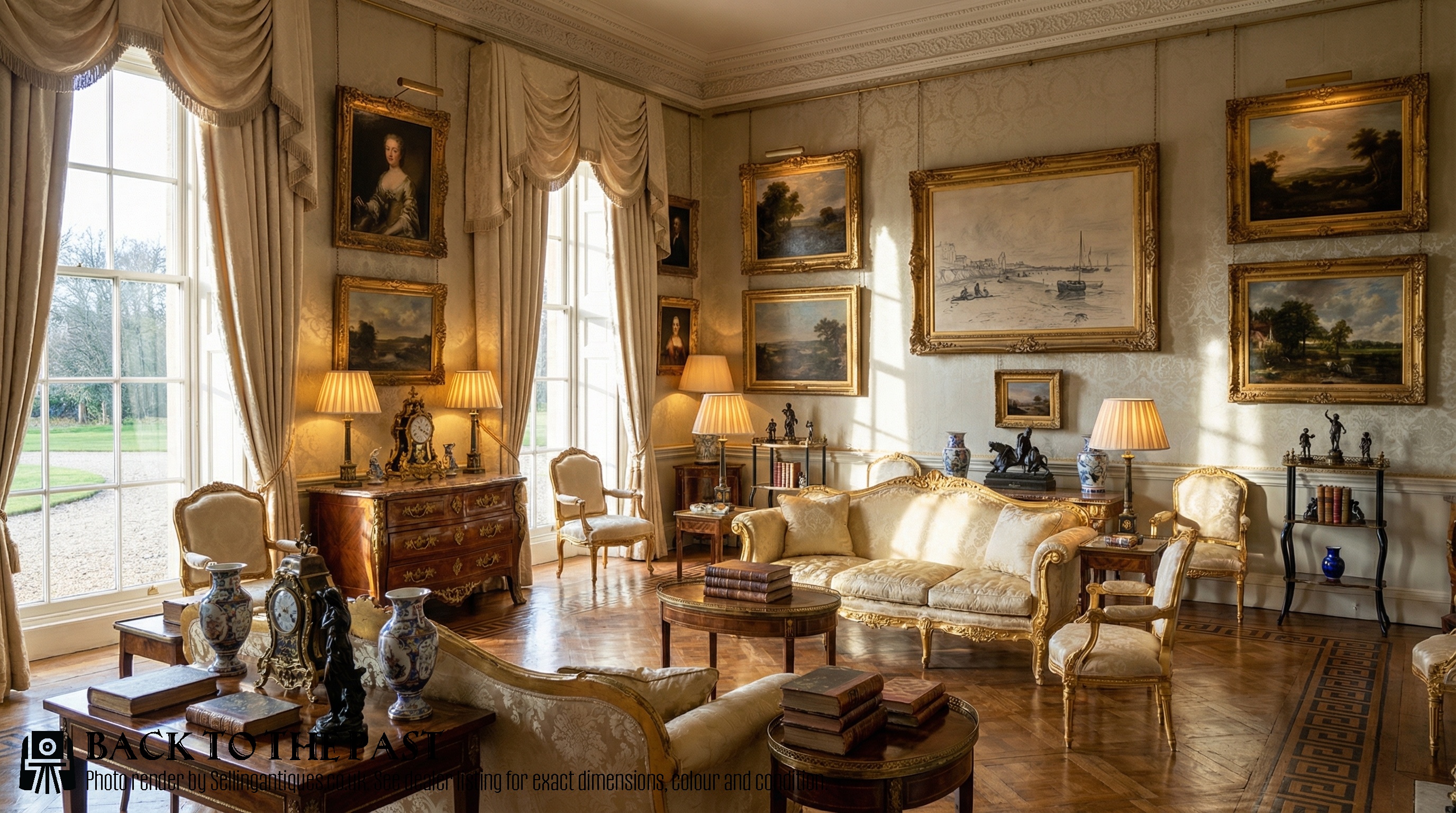
Originally, these stands served as decorative furniture in formal French drawing rooms and parlours. The multiple tiers allowed owners to exhibit small collections, porcelain, or decorative objects.
Some variants functioned specifically as tea tables or small side tables. Their tiered structure maximised display capacity within a compact floor footprint.
What materials are common on these pieces?
Common primary woods include walnut, mahogany, and rosewood, often paired with amboyna veneer or ebonised wood. Surfaces frequently feature contrasting timber tones.
Decorative additions include brass inlay, bronze ormolu mounts, and occasionally marble inserts. Painted finishes also appear on selected early twentieth-century examples.
How do I identify the period?
Period identification relies on construction traits, timber choices, and decorative motifs associated with French Second Empire and Victorian aesthetics. Pieces date from the mid nineteenth century up to the early twentieth century.
The presence of amboyna veneer, ormolu mounts, and intricate marquetry typically points towards nineteenth-century French manufacture. Simpler painted examples often lean towards later 1910 dates.