


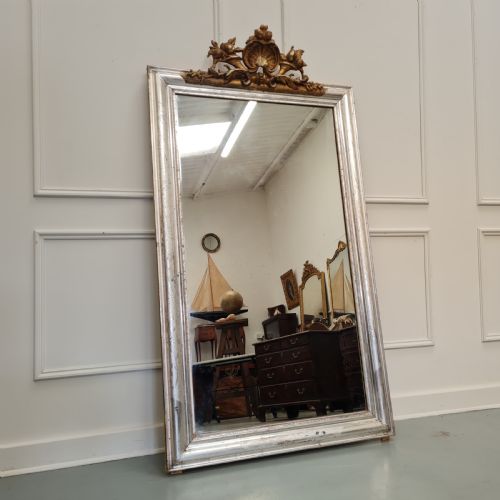


Napoleon Glass Mirror
These pieces of napoleon glass mirror bring the reflection of nineteenth century French interiors straight to your wall.
Napoleon Glass Mirror
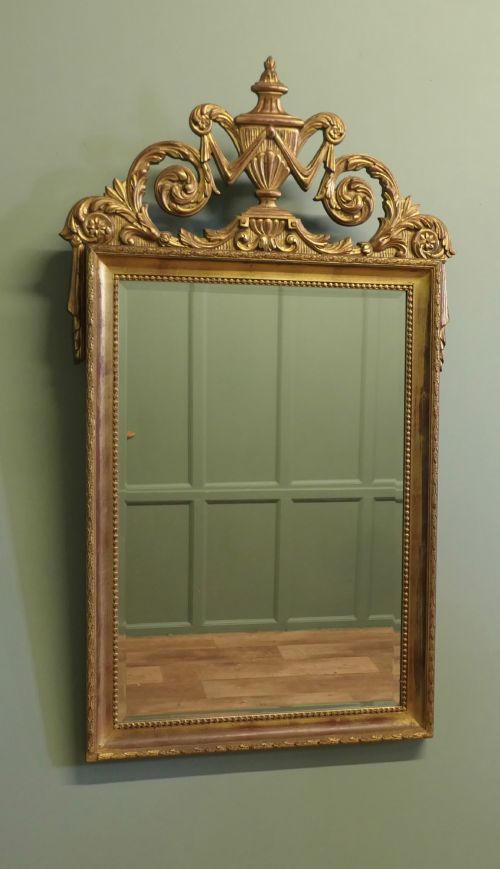
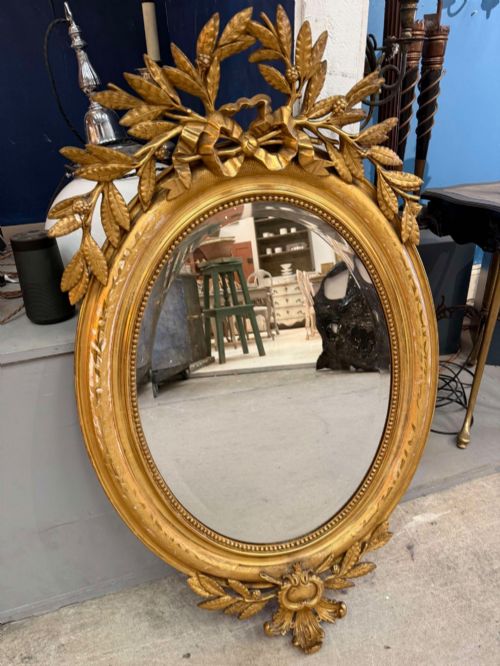
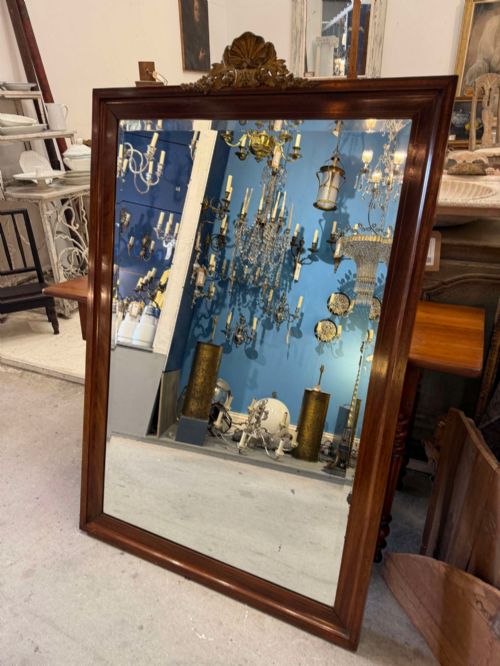
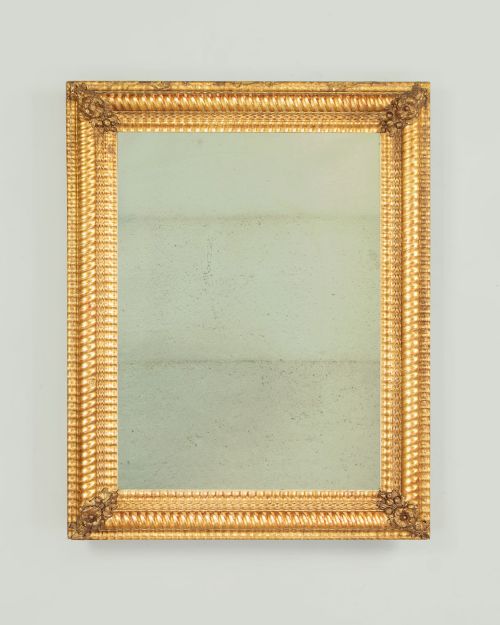
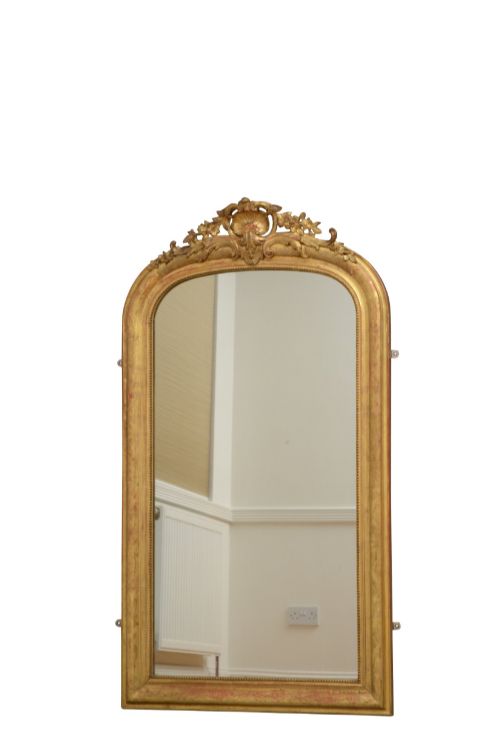
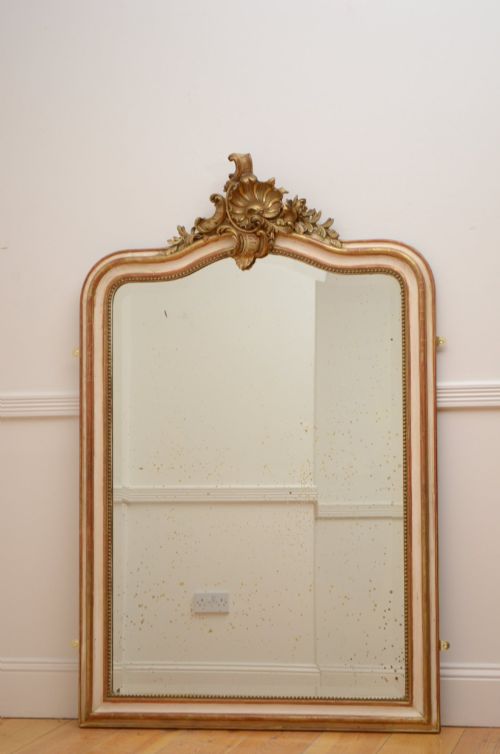
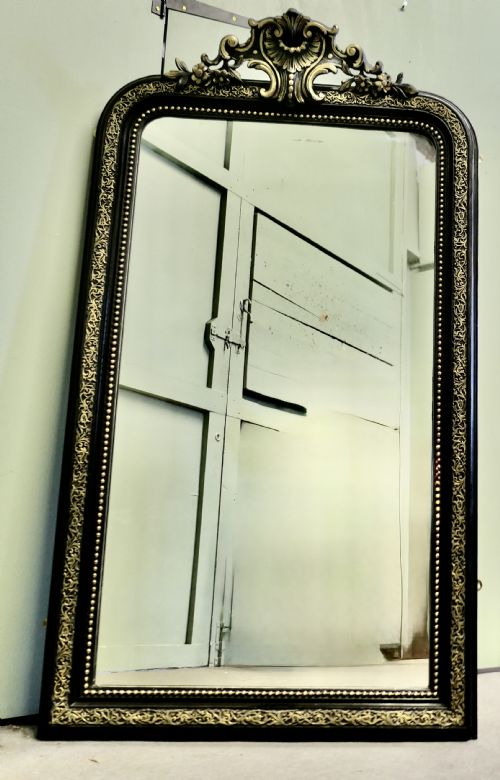
A napoleon glass mirror typically takes the form of a wall mirror, leaner mirror, or pier mirror originating from nineteenth century France. These pieces range from small decorative frames to large chateau and pier mirrors designed to anchor a room.
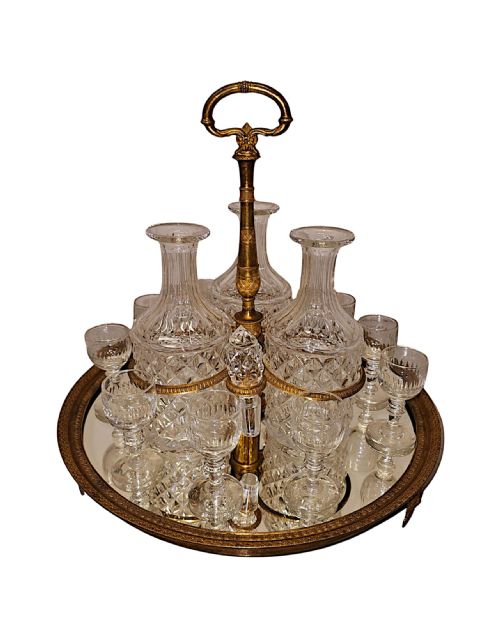
The aesthetic leans heavily towards French Napoleon III, Second Empire, and Rococo Revival styles, often featuring giltwood, gesso, and ornate crests. Alongside these wall hangings, related French decor occasionally surfaces, including tantalus sets with cut glass and ormolu mounts.
Most examples date across the nineteenth century, with specific pieces attributed to decades from eighteen hundred through the eighteen nineties. Buyers encounter finishes in gold leaf, silver gilt, and even faux bamboo wood.
How they were made
Makers built the foundational frames using carved wood, plaster composition, and gesso to shape intricate surface relief. Artisans applied layers of gold leaf, silver gilding, or black and gold paint to achieve the luminous metallic finishes characteristic of the period.
The optical core relies on traditional mercury glass or split plate glass inserted into the rebate of the frame. Metal mounts in ormolu and cushion metal additions provided structural reinforcement and decorative detail.
Napoleon Glass Mirror Retail Price Guide 2026
Typical asking prices for napoleon glass mirror among the pieces listed under this phrase on Sellingantiques today, from the lower quarter to the upper quarter. They describe what is for sale here now, not the wider market.
Listings feature eighteenth and nineteenth century periods, utilising materials such as glass, gesso, giltwood, gold leaf, wood, plaster composition, ormolu, and cut glass.
What varies in quality
The depth and execution of the carved wood and pierced foliage crests determine the visual weight of the frame. Superior examples demonstrate crisp definition in the gesso and plaster composition work rather than softened, mass-produced moulding.
The preservation of the original mercury glass plate and the integrity of the gold leaf or silver gilt finish dictate the overall character of the piece. Subtle details such as original metal mounts and balanced proportions separate standard domestic mirrors from grander chateau items.
The Napoleon Glass Mirror Glossary
- Giltwood
- Wood that has been coated with a thin layer of gold leaf. This finish defines the reflective warmth of nineteenth century French frames.
- Gesso
- A plaster mix applied to wooden frames to create a smooth surface for gilding and relief ornamentation. It allows for sharp decorative moulding.
- Mercury glass
- A type of double-walled silvered glass popular in the nineteenth century. It produces a distinctive speckled and atmospheric reflection.
- Ormolu
- Gilded bronze used for decorative mounts and hardware. It adds metallic contrast to the wooden and glass elements.
- Pier glass
- A tall mirror designed to hang on the wall space between windows. These pieces often feature an elongated format to maximise light.
Napoleon Glass Mirror: Frequently Asked Questions
What is a napoleon glass mirror?
A napoleon glass mirror is a nineteenth century French decorative mirror, typically featuring a giltwood or gesso frame in the Napoleon III or Rococo Revival style.
These pieces include wall mirrors, pier mirrors, and leaner mirrors incorporating traditional mercury glass plates.
How do I date a French gilt mirror?
Dating relies on stylistic clues such as the presence of a pierced foliage crest, carved wood details, or faux bamboo framing typical of the eighteen sixties through the eighteen nineties.
Construction methods like plaster composition and the character of the mercury glass also help narrow the period.
Where should I hang a large pier mirror?
Large pier mirrors suit substantial wall spaces, traditional reception rooms, or above mantelpieces where they can amplify natural light.
Leaner versions rest securely against the floor to create depth in a bedroom or hallway.
What is mercury glass?
Mercury glass refers to double-walled blown glass silvered between the layers with a reflective liquid mixture. It creates a dark, mottled reflection distinct from modern mirrors.
This material is a key indicator of nineteenth century authenticity in French decorative mirrors.