





Naive Folk Art Painting
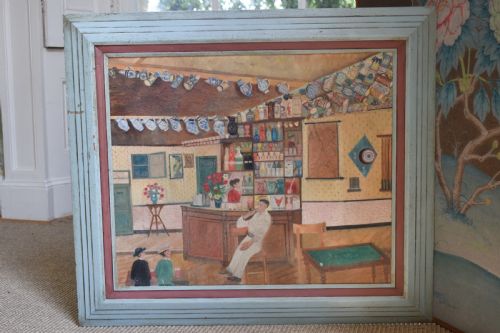
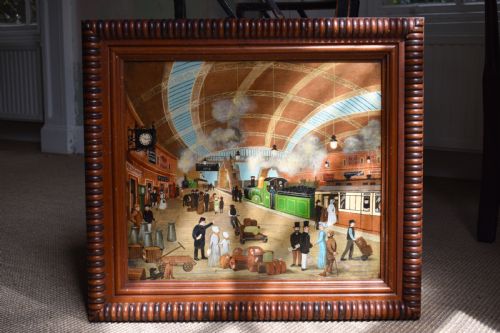
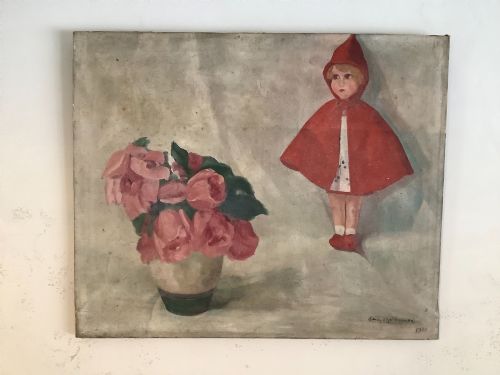
A naive folk art painting captures immediate charm through unstudied perspective, direct brushwork, and honest portrayals of everyday life.
Naive Folk Art Painting
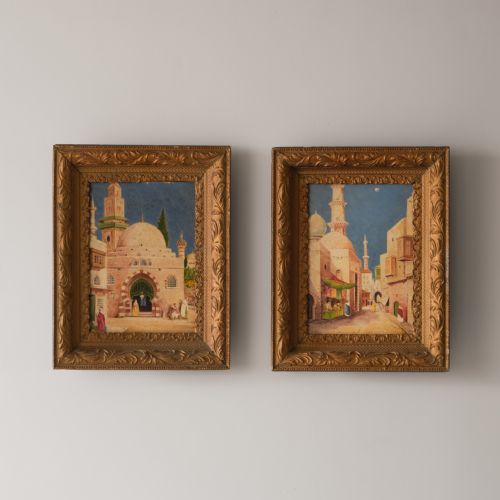
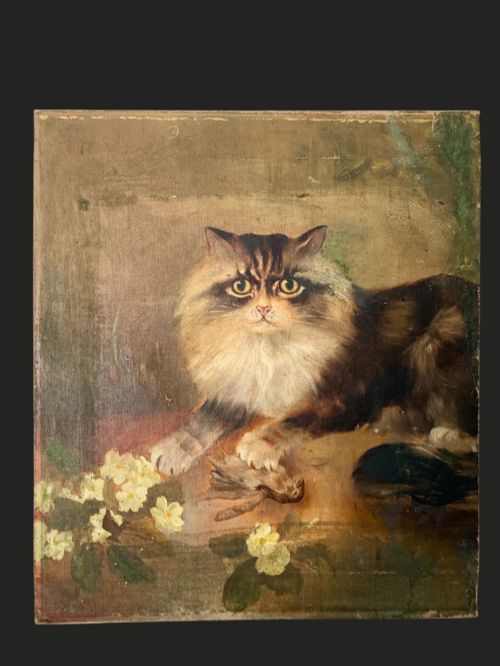
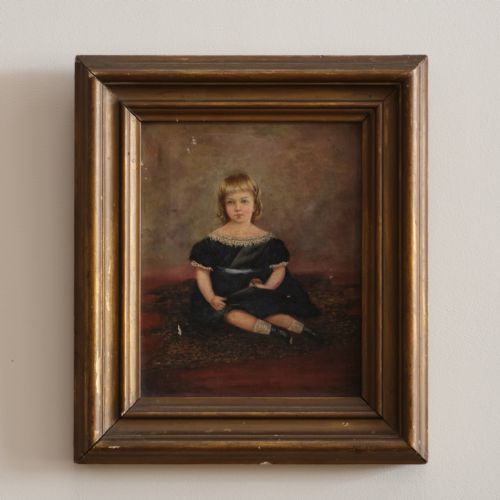
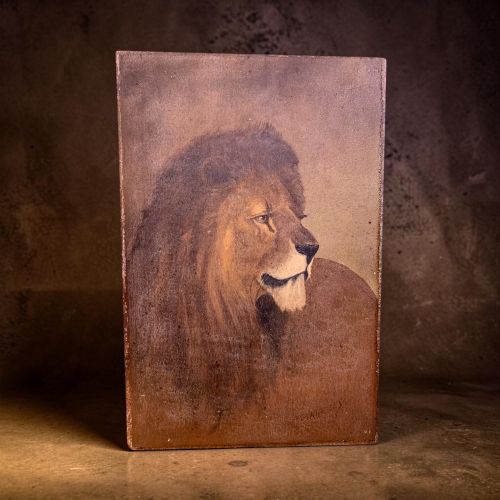
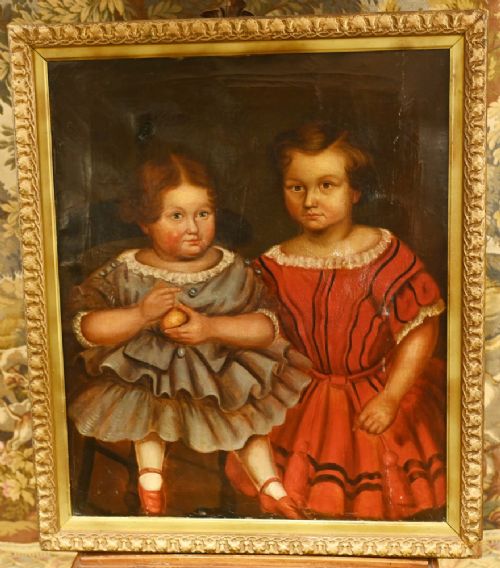
When you search for a naive folk art painting, you encounter works created outside traditional academic training by provincial or self-taught artists. These pieces range from 18th-century portraits and topographical scenes to 19th-century animal studies and domestic interiors.
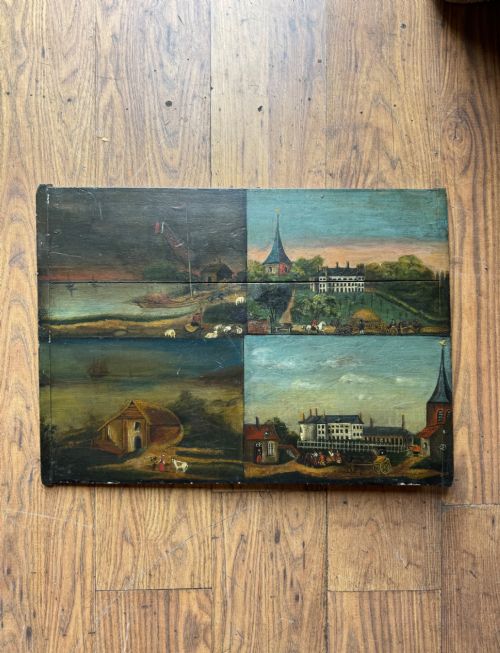
The most common examples on this page are 19th-century oil paintings on canvas and wood panel, depicting portraits, animals, and rural architecture. British, American, and continental European pieces appear frequently, showing regional variations in subject and palette.
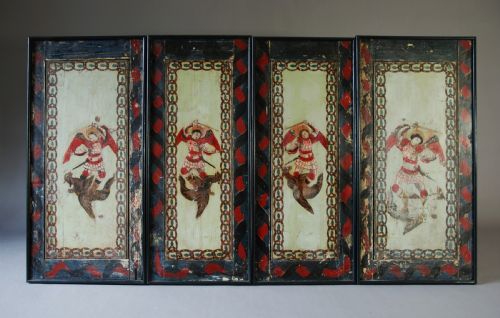
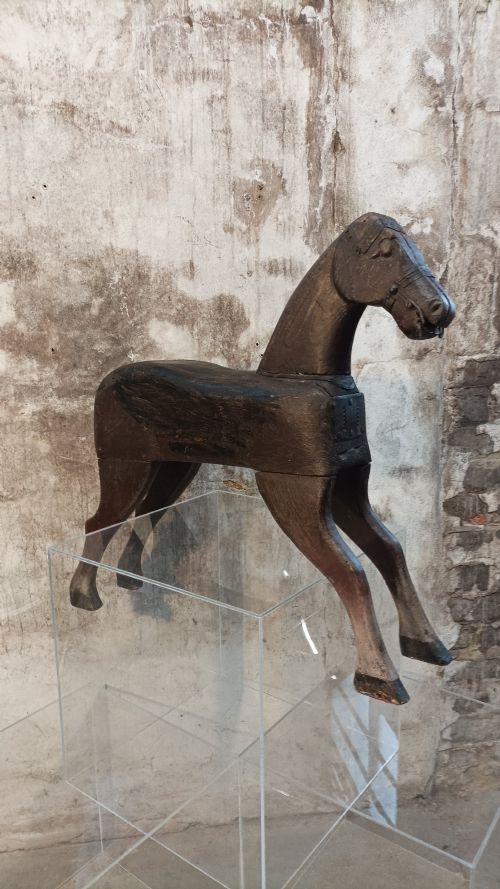
Beyond flat canvases, the category extends to painted wooden panels, watercolours on paper, and sculptural objects such as carved horses and dioramas. Each format shares a distinct lack of conventional perspective in favour of expressive storytelling.
Materials and techniques
Makers applied oil paint or watercolour onto supports including canvas, wood panel, board, and heavy paper, often framing the finished works in period pine or rosewood. Pine panels served particularly well for decorative sets, while canvas and board accommodated domestic portraits and landscape scenes.
Pigments were worked directly without the underdrawing and glazing layers typical of academic studios, resulting in opaque, flat planes of colour and strong outlines. Artists utilised accessible local materials, occasionally incorporating ink, pencil, or mixed media to detail figures and settings.
Listings feature 19th-century oil paintings, watercolours, and carved wooden objects across British, American, and European origins.
Judging quality in untutored works
Quality rests on the confidence of the line and the strength of the composition rather than adherence to anatomical accuracy or linear perspective. A successful piece uses its flat planes and simplified forms to create a compelling visual rhythm.
Expressive power distinguishes the finest works from ordinary examples, particularly in characterful portraits of humans and animals where the maker captures a vivid presence. Condition also plays a role, with untouched surfaces retaining original pigment layers far better than heavily restored panels.
J Brown·E H Windred·Gertrude Halsband·Irene Lagut·W Charaton
The Naive Folk Art Painting Glossary
- Primitive painting
- A term often used interchangeably with naive art, describing works by artists lacking formal academic training who rely on direct observation and intuitive scale.
- Oil on panel
- A painting executed on a wooden board or panel rather than stretched canvas, frequently found in 18th-century and provincial 19th-century works.
- Topographical painting
- An artwork depicting a specific identifiable location, building, or townscape, executed with varying degrees of geometric accuracy by naive artists.
- Provincial art
- Cultural material produced outside major metropolitan art centres, reflecting local tastes, traditions, and available materials.
Naive Folk Art Painting: Frequently Asked Questions
How do I date an untutored painting?
Dating relies heavily on the substrate, the style of clothing in portraits, and the framing materials. Pigment analysis and the construction methods of wood panels or stretchers also offer clues.
Provincial works often retain regional fashion details long after city centres have moved on, making costume a reliable secondary indicator when documentation is missing.
Where should I hang these artworks?
These pieces suit both traditional country houses and modern minimalist interiors, where their bold colours and direct compositions stand out against plain walls. Hang them at eye level in rooms without direct, harsh sunlight to protect fragile watercolours and oil surfaces.
Pairing smaller portraits in groups creates a strong visual impact, echoing the way provincial collections were historically displayed.
Why do the proportions look unusual?
Untutored artists prioritised narrative emphasis and emotional weight over strict anatomical proportions or linear perspective. Hands, heads, and objects of importance were often drawn larger to signal their significance within the composition.
This deliberate distortion is precisely what gives the genre its characteristic charm and directness.
Are watercolours as durable as oils?
Works on paper require more careful preservation than oil paintings on canvas or wood panel, particularly regarding light exposure and humidity. Framing behind conservation glass helps protect watercolours and drawings from fading over time.
Oils are generally more robust, though wood panels can be sensitive to rapid temperature fluctuations.