


Muted Watercolour Painting
A muted watercolour painting brings a quiet, atmospheric depth to a room through subdued tones and delicate brushwork.
Muted Watercolour Painting
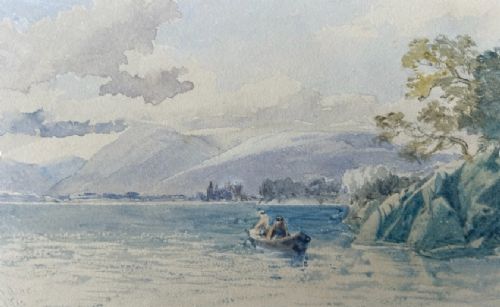
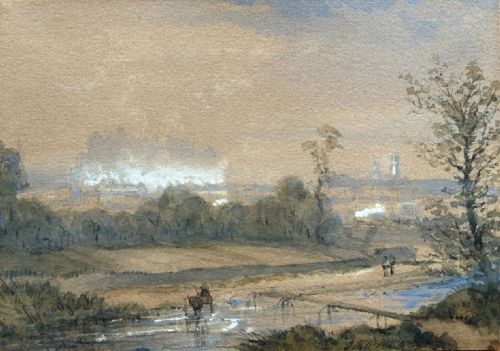
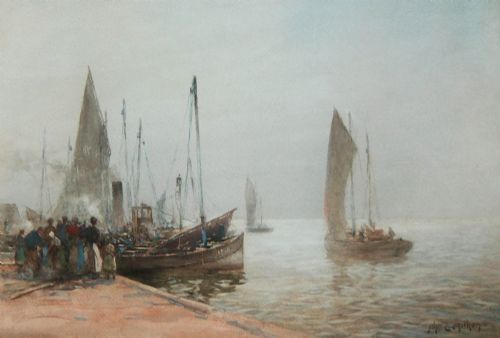
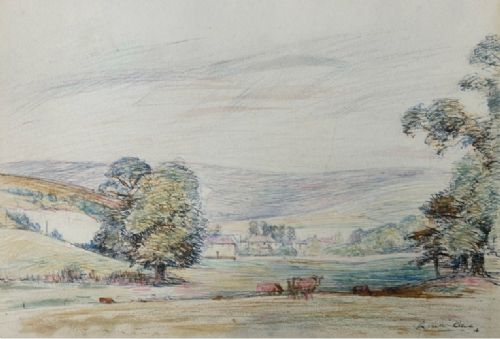
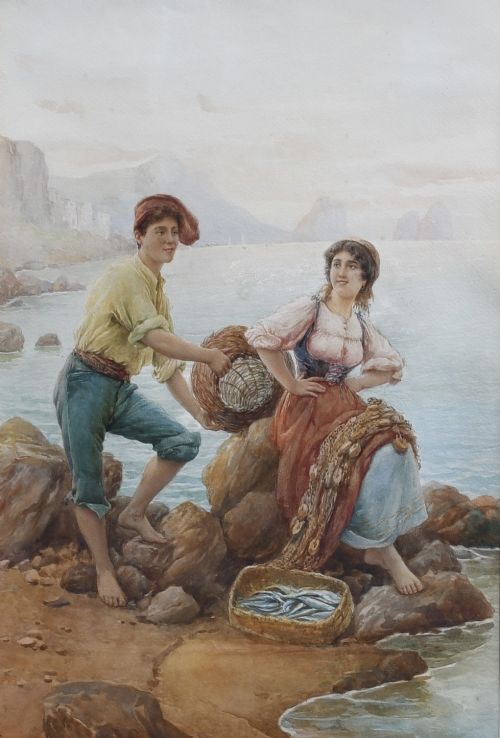
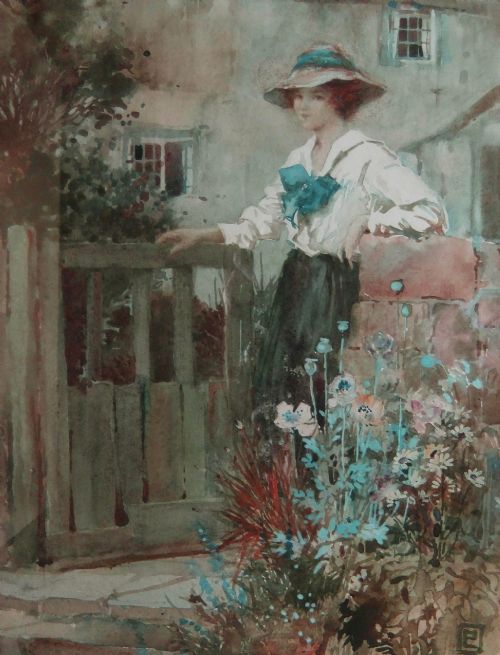
A muted watercolour painting presents a subtle palette of soft earth tones, gentle greys and faded blues applied to paper. These works capture landscapes, coastal views and genre scenes from the nineteenth and early twentieth centuries. The pieces on this page span the Victorian period through to the nineteen-sixties, reflecting changing tastes in British and European fine art.
Buyers encounter framed original wall art depicting rural pastures, fishing harbours and quiet village streets. The subjects range from Scottish highlands to Norfolk broads and Parisian lanes, executed by named artists working in distinct regional styles. Each painting relies on thinned pigment to create atmospheric depth rather than sharp, saturated contrasts.
How they were made
Artists used watercolour pigment and ink applied to paper support, often under glass for protection. The technique required careful control of water dilution to let the white of the paper illuminate the muted tones. Wash methods and fine brush strokes built up the subject without heavy layers of opaque paint.
The materials remained straightforward, typically consisting of professional grade watercolour paint on heavy rag paper. Frame construction frequently involved traditional wood moulding and glass glazing to preserve the delicate pigment from moisture and direct sunlight over decades.
Listings span periods from the nineteenth century through the nineteen-sixties, using watercolour pigment and ink on paper.
What varies in quality
The strength of the composition and the artist's confidence in handling the wash distinguish finer examples from simpler student works. Masterful brush control achieves a sense of light and atmosphere with minimal pigment, while lesser pieces rely on heavy reworking or overworked details.
Condition plays a significant part in the quality of surviving pieces, particularly the preservation of the original paper tone and pigment saturation. Works that have avoided damp and heavy fading retain the subtle tonal shifts intended by the painter.
Thomas Miles Richardson Jnr·John R Prentice·James E Aitken·Russell Sidney Reeves·Carlo Ferranti·Percy Lancaster·Albert Ludovici Jnr·James Hayllar·Alfred George Morgan·Fred Lawson·Arthur Reginald Smith·Cuthbert Crossley·Sir Thomas Newenham Dean·Ernest Pile Bucknall·Thomas Hunn·Tom Clough·James Orrock·Percy Robertson·James Watson·Louie Stanley Maurice Prince·Linnie Watt·Henri Joseph Harpignies·Frederick William Hattersley·Sidney James Beer·John Mitchell
The Muted Watercolour Painting Glossary
- Watercolour pigment
- Finely ground colour particles suspended in a water-soluble binder. This medium allows for transparent washes that let the underlying paper show through.
- Genre scene
- A painting depicting aspects of everyday life, such as fisherfolk, agricultural labourers or domestic interiors. These works offer a record of social history alongside landscape views.
- Wash
- A layer of diluted watercolour paint applied broadly across the paper to create smooth backgrounds like skies or water. Skilful application avoids harsh edges.
- Monogram
- A set of initials combined into a single mark used by an artist to sign a work. This form of signature appears frequently on nineteenth-century British watercolours.
- Pastoral landscape
- An artistic representation of rural life and idealized countryside scenery. These subjects often feature grazing cattle, quiet rivers and rolling hills.
Muted Watercolour Painting: Frequently Asked Questions
How should I hang a watercolour painting?
Keep the piece away from direct sunlight to prevent the pigments and paper from fading over time. Indirect natural light or soft wall lighting suits these delicate works best.
Ensure the room maintains a stable humidity level to protect both the paper and the historic frame. Professional framing with acid-free backing boards also safeguards the longevity of the artwork.
What subjects appear in these paintings?
The subjects focus heavily on British and European landscapes, rural farm scenes and coastal harbours. Artists frequently recorded everyday life, including fishing boats, cattle grazing and quiet village streets.
Urban views of London and Paris also feature, alongside topographical studies of Yorkshire, Norfolk and Scotland. These scenes provide a visual record of nineteenth and early twentieth-century life.
How do I tell the period of a watercolour?
Examine the framing, the paper type and any visible artist signatures or dates recorded on the front or reverse. Stylistic clues such as Victorian clothing or early twentieth-century dress help narrow down the date.
Historical labels from framers or exhibition galleries often provide further evidence of the creation period. Comparing the technique to known dated works by the same artist confirms the timeline.
Are these watercolours original works?
Every piece recorded here is an original hand-painted work on paper rather than a reproduction or print. Artists applied the wet pigment directly by hand, making each composition a singular creation.
Visible brush texture and variations in the wash confirm the direct application of paint by the artist. Collector marks and monograms further establish the authenticity of these nineteenth and twentieth-century pieces.