


Muted Green Artwork
Muted green artwork brings together subtle pastoral landscapes and coastal scenes spanning the nineteenth and twentieth centuries.
Muted Green Artwork
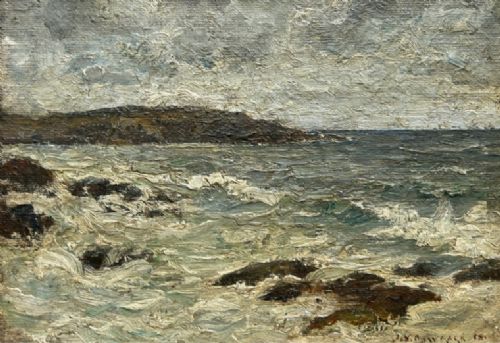
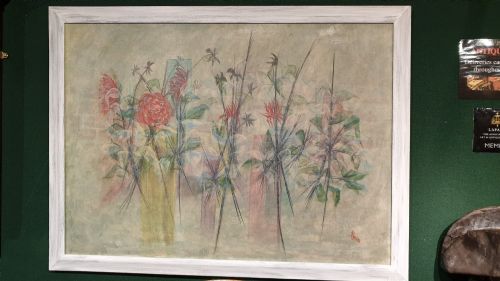
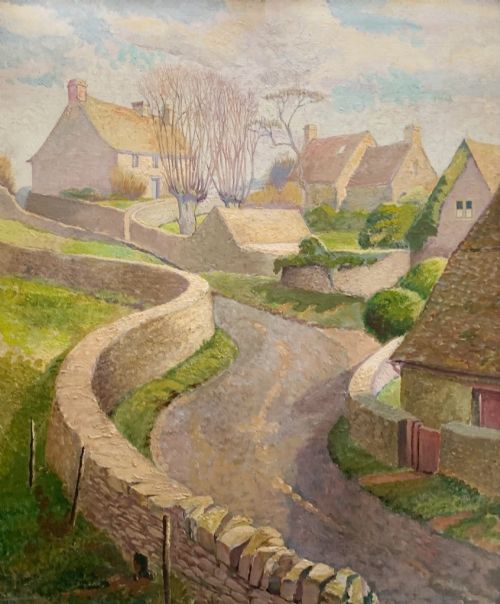
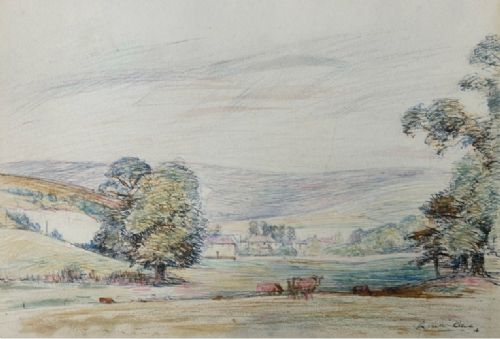
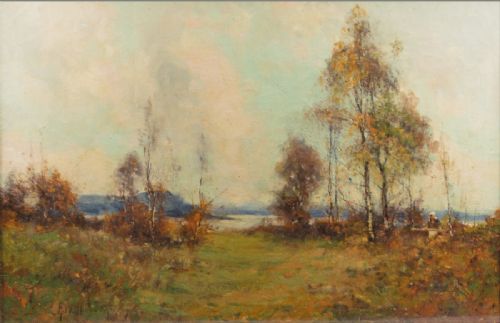
Muted green artwork encompasses oil paintings and watercolour paintings produced across multiple decades, including the Victorian era, the Edwardian period, and the mid-twentieth century. Buyers encounter coastal seascapes, pastoral landscapes, river views, and rural farmyards rendered in subdued tones.
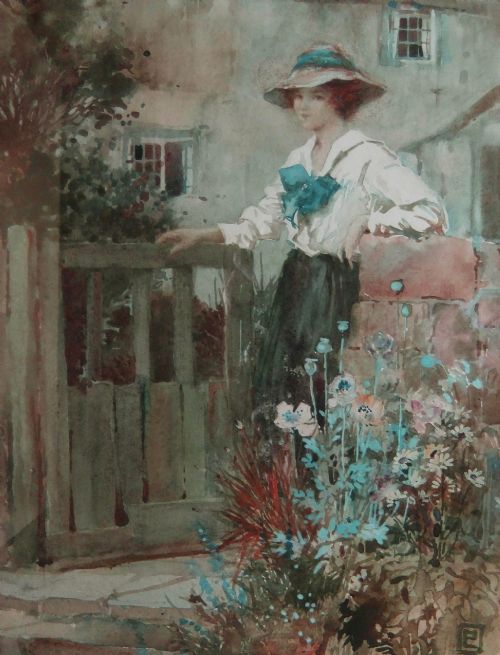
Watercolours depict scenes such as fenland folk, children fishing, and cottage gates, whilst oil paintings capture woodland paths, harvests, and rocky shores. Each piece reflects the characteristic palette and brushwork of its period.
Materials and Technique
Painters utilise oil paint or watercolour applied to paper, canvas, or wood panels. Impasto techniques build textured surfaces on canvas, whereas watercolours rely on fluid washes across paper.
Works are frequently housed in wooden frames that complement the composition. Pigments capture natural light and atmospheric conditions in landscape settings.
Listings feature works created between eighteen-ninety and nineteen-sixty, using oil paint and watercolour on paper, canvas, and wood.
Quality Variations
Compositional balance and handling of light distinguish superior examples from standard works. Skilled brushwork creates depth and atmosphere within the landscape.
The preservation of the pigment and the condition of the paper, canvas, or wood panel influence the integrity of the piece over time.
Alexander Wellwood Rattray·Ernest Higgins Rigg·Herbert Royle·Henry Charles Fox·Pierre Emmanuel Eugene Damoye
The Muted Green Artwork Glossary
- Impasto
- Paint applied thickly to a canvas or panel, standing out in relief from the surface. This technique allows brush marks to catch the light and add physical texture to the artwork.
- Watercolour
- A paint consisting of colour pigments suspended in a water-soluble vehicle. Artists apply washes of this medium onto paper to create luminous landscapes and figures.
- Impressionism
- A nineteenth-century movement characterised by relatively small, thin yet visible brush strokes and an emphasis on accurate depiction of light. The style prioritises open compositions and ordinary subject matter.
- Panel
- A flat piece of wood used as a support for oil painting before canvas became dominant. Artists paint directly onto the prepared wooden surface.
Muted Green Artwork: Frequently Asked Questions
What periods do these pieces date from?
The selection spans the nineteenth century through to the nineteen-sixties, incorporating Victorian, Edwardian, and mid-twentieth-century examples.
Individual pieces reflect the artistic movements of their respective decades, including British Impressionism and Post-Impressionism.
How should I hang oil paintings on canvas?
Oil paintings on canvas require sturdy wall fixings appropriate for the weight of the framed piece. Avoid direct sunlight and excessive humidity to protect the paint layer.
Ensure adequate ventilation behind the frame to preserve both the canvas and the wooden stretcher.
What subjects appear in these watercolours?
Common subjects include pastoral landscapes, riverscapes, rural cottages, and coastal views. Many compositions feature figures such as children fishing or farm workers.
Artists captured everyday scenes across English and Welsh locations.
How do I care for antique watercolours?
Antique watercolours on paper need protection from direct light to prevent fading of delicate pigments. Framing behind conservation glass helps filter ultraviolet rays.
Keep them away from damp environments to safeguard the paper support.