



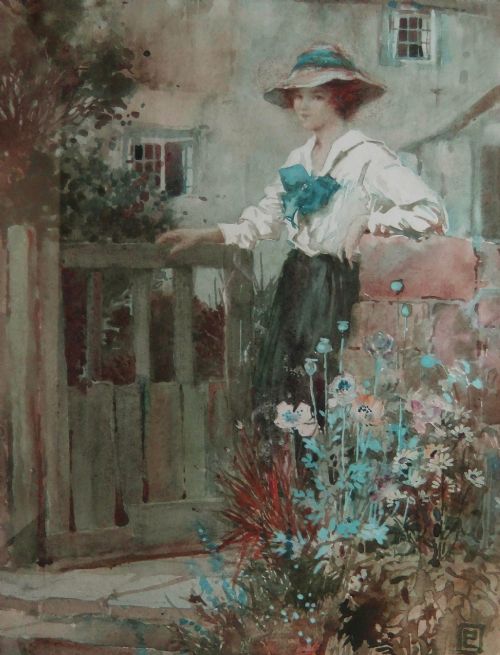


Muted Blue Painting
These muted blue painting works capture atmospheric coastal and rural scenes through delicate watercolours and oils.
Muted Blue Painting
A muted blue painting brings together historic landscapes, coastal views, and genre scenes rendered in restrained, cooler tones. When you search for a muted blue painting, you encounter works spanning the nineteenth and twentieth centuries, particularly from British and Irish schools.
The pieces on this page lean heavily towards watercolours on paper and oil paintings on canvas or wood panels. Many date from the Victorian era through to the mid-twentieth century, showcasing pastoral and marine subjects.
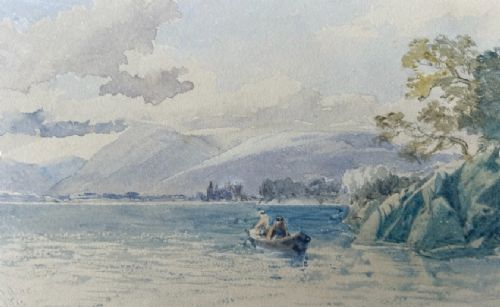
The predominant forms are maritime views, harbour scenes, and river landscapes where muted blue pigments dominate the skies and waters. These works offer a quiet, contemplative atmosphere typical of early twentieth-century British impressionism and pastoral traditions.
Materials and technique
Artists relied primarily on watercolour pigment applied to paper, or oil paint worked onto canvas and wood panels. These mediums allowed painters to build subtle atmospheric effects, especially in maritime and sky subjects.
Ink and glass frequently appear in the framing and foundational work of these pieces, protecting delicate paper surfaces from moisture and damage over decades.
Techniques range from loose, expressive washes in watercolours to heavier impasto in oil paintings, depending on whether the artist worked in the open air or finished the canvas in a studio.
Muted Blue Painting Retail Price Guide 2026
Typical asking prices for muted blue painting among the pieces listed under this phrase on Sellingantiques today, from the lower quarter to the upper quarter. They describe what is for sale here now, not the wider market.
Several artists clearly fancied a bracing day by the North Sea, judging by the number of windswept Yorkshire and Norfolk harbours recorded here.
Assessing quality in these works
Quality rests in the subtlety of tonal control and how effectively the artist deploys restrained pigments to create depth in skies and waters. Superior pieces manage light and shadow with confidence, avoiding muddy transitions in the muted palette.
The strength of composition and the artist's ability to render movement - whether in rolling waves or bustling harbour figures - separates accomplished paintings from standard decorative examples. Handling of texture in both oil and watercolour reveals the underlying skill of the painter.
Thomas Miles Richardson Jnr·Carlo Ferranti·Percy Lancaster·Albert Ludovici Jnr·Gyrth Russell·Fred Lawson·Arthur Reginald Smith·Thomas Newenham Dean·Tom Clough·James Watson·Florence Hess·Frederick William Hattersley·John Mitchell·Charles Harmony Harrison·Kate E Booth·Ernest F Hill·Andrew Young·Stephen John Batchelder·A Winter Shaw·Owen Bowen·Hirst Walker·Fred Mayor·Fred Stead·William Lee Hankey·George Faulkner Wetherbee
The Muted Blue Painting Glossary
- Watercolour pigment
- Finely ground colour suspended in a water-soluble binder, applied to paper to achieve translucent washes. This medium defines a large portion of the nineteenth-century works listed.
- Canvas
- Woven fabric stretched across a wooden frame to serve as a sturdy support for oil paint. It provides a textured surface that holds heavier brushwork.
- Genre painting
- Artwork depicting scenes from everyday life, ordinary people, and domestic or street settings. These subjects capture social history alongside the landscape.
- Impressionism
- A style of painting emphasising small, thin brush strokes and accurate depiction of light. British practitioners adapted these tenets to domestic coastal and rural vistas.
Muted Blue Painting: Frequently Asked Questions
How should I care for an antique watercolour?
Keep watercolours away from direct sunlight to prevent the pigments from fading over time. Ensure they are framed behind glass with proper acid-free mounts to protect the paper.
Humidity can also damage historic paper and pigments, so hanging them in stable, dry indoor environments is essential for their preservation.
What subjects do these marine paintings feature?
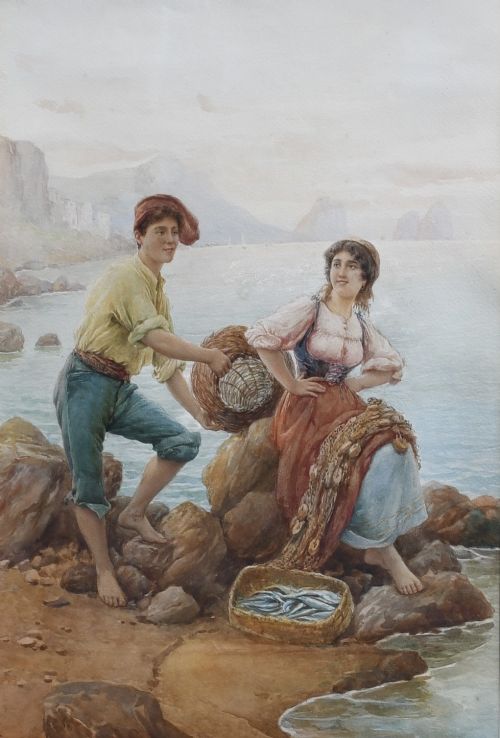
Marine works frequently depict busy harbours, fishing fleets returning to port, and quiet coastal inlets. Scenes often capture local figures spreading nets or resting by the water's edge.
These depictions offer a glimpse into nineteenth and early twentieth-century maritime life around British and Irish shores.
Are these oil paintings usually framed?
Most oil paintings from this period retain their original or period-appropriate frames, which complement the composition. Frames help protect the edges of the canvas or wood panel from physical knocks.
When buying, check whether the frame shows age-appropriate wear that matches the era of the painting itself.
How do I identify the period of a piece?
Look for artist signatures, dates inscribed on the front or back, and stylistic clues typical of Victorian or Edwardian art schools. Framing styles and paper watermarks can also offer reliable dating evidence.
Comparing the technique to known works by regional artists helps narrow down the decade of creation.