

Music Stand Holder
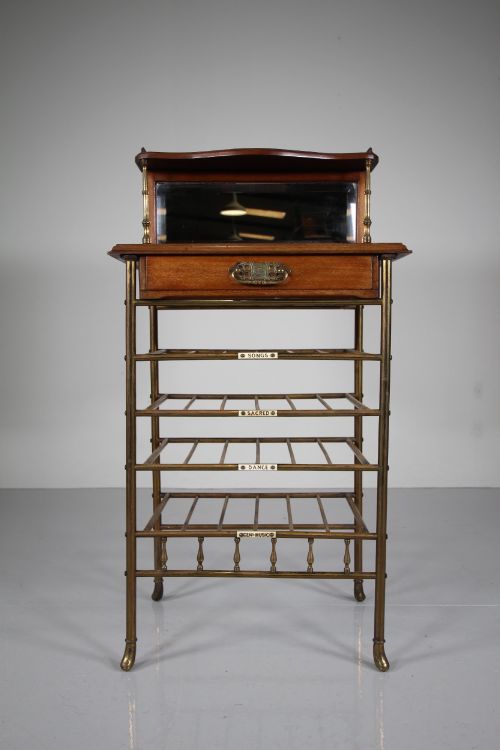
These music stand holder pieces bring together period mahogany and rosewood forms designed for holding scores and periodicals.
Music Stand Holder
A music stand holder encompasses utilitarian pieces like canterburys, magazine racks, and reading stands designed for domestic use. The pieces seen span from the Georgian and Regency eras through the Victorian and Edwardian periods.
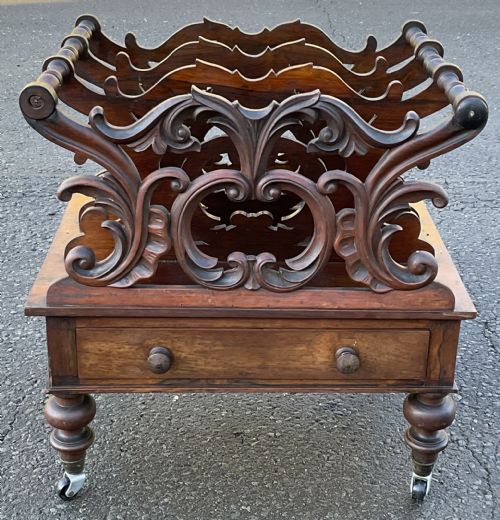
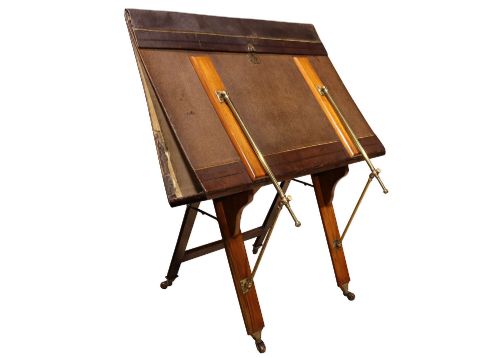
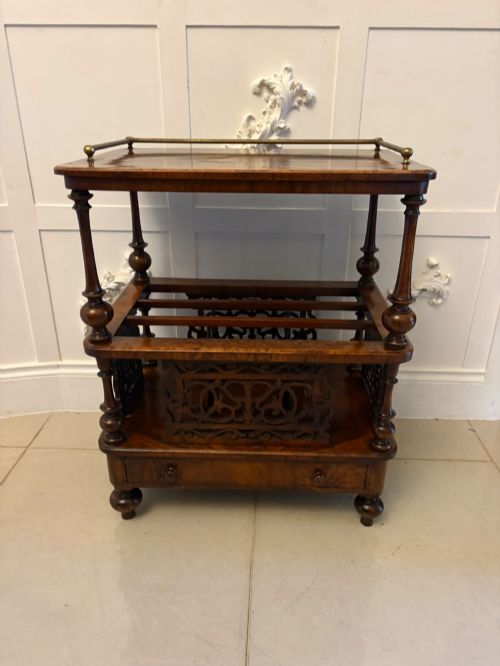
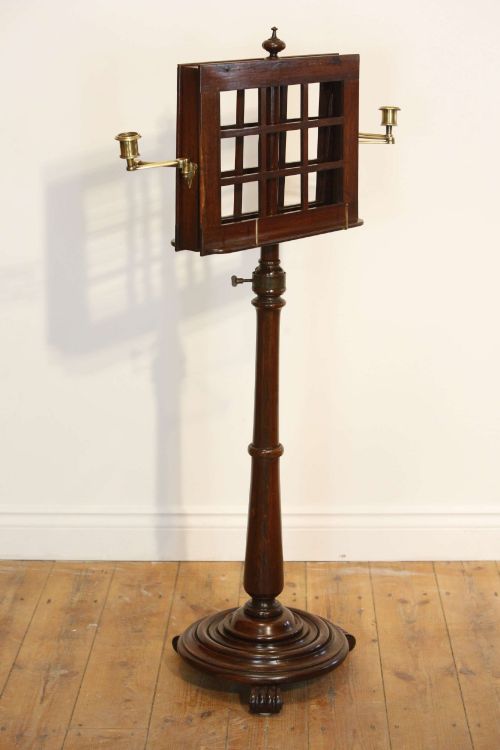
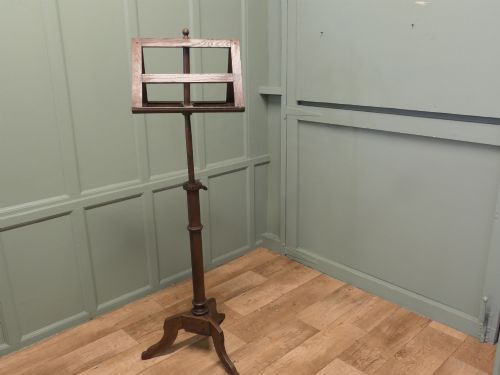
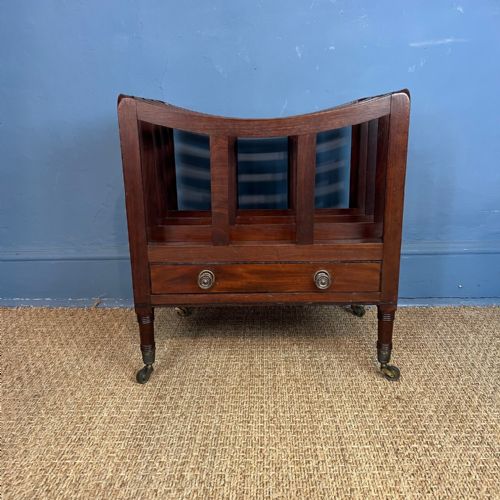
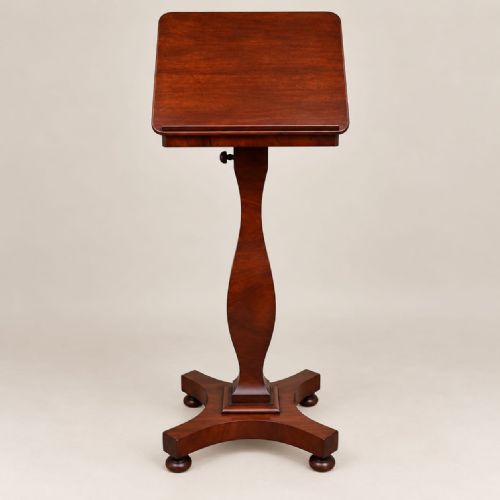
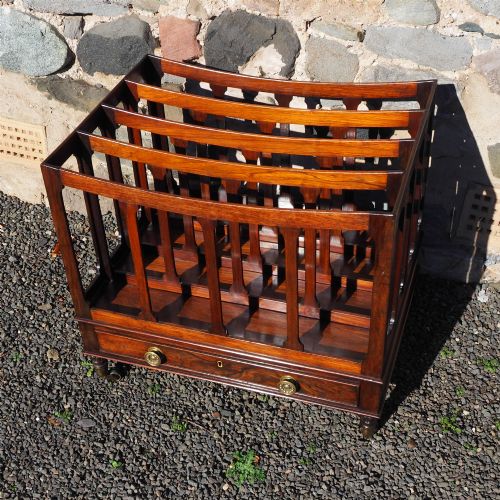
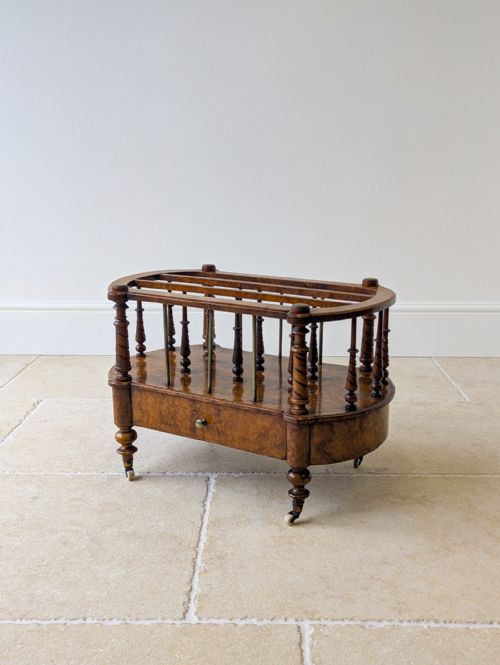
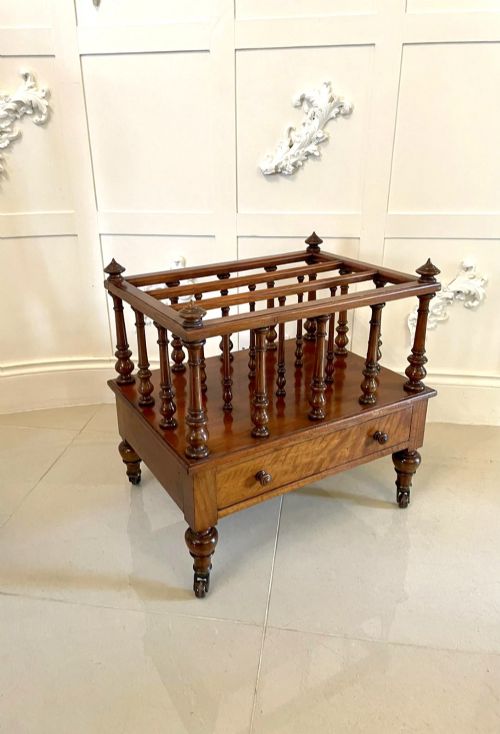
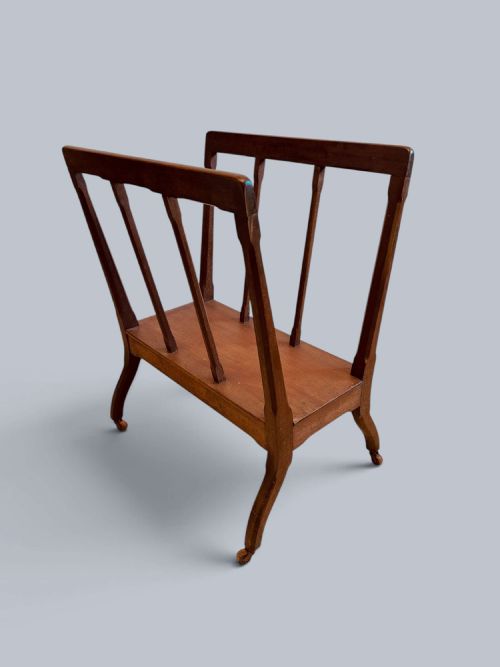
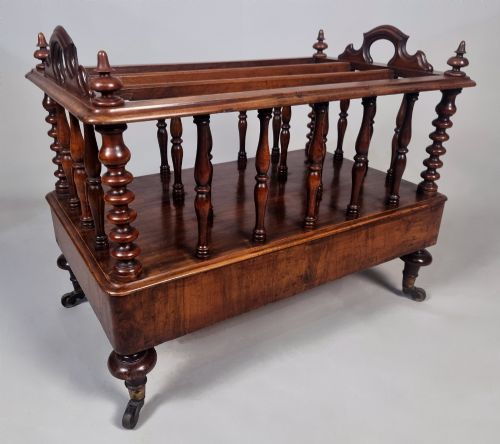
Canterburys emerge most frequently on this page, often partitioned with vertical slats to hold sheets and folios below. Alongside these, adjustable duet stands and reading desks appear in mahogany, rosewood, and walnut.
Makers and workshops of the nineteenth century produced these items to sit beside pianofortes and in drawing rooms. Buyers encounter everything from simple oak racks to brass-inlaid rosewood stands.
Materials and construction
Timbers such as mahogany, burr walnut, and rosewood form the primary structure of these stands, frequently joined with traditional cabinetry techniques. Finer examples incorporate brass mounts, castors, and inlay.
Bamboo and oak also appear, particularly in later Victorian and Edwardian designs reflecting changing domestic tastes. Adjustable brass mechanisms allow duet stands to alter in height for the musician.
Music Stand Holder Retail Price Guide 2026
Typical asking prices for music stand holder among the pieces listed under this phrase on Sellingantiques today, from the lower quarter to the upper quarter. They describe what is for sale here now, not the wider market.
Distinctions in craftsmanship
The degree of cabinetmaker skill separates standard production from exceptional pieces. Figured veneers, neat fretwork, and well-cast brass elements indicate superior workshops.
Proportions and stability matter significantly, particularly on adjustable music stands and freestanding canterburys. Retaining original castors and undamaged fret slats elevates the standing of an antique.
Edwards and Roberts·Gillows
The Music Stand Holder Glossary
- Canterbury
- A low stand with partitioned vertical divisions used for holding sheet music, folios, or newspapers, often featuring a low drawer beneath.
- Duet stand
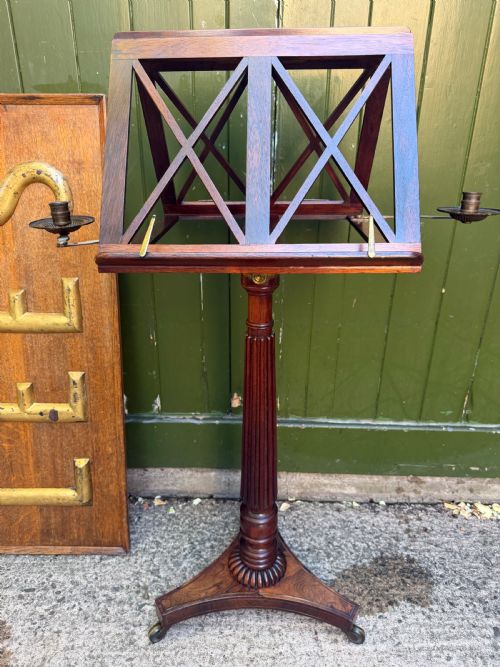
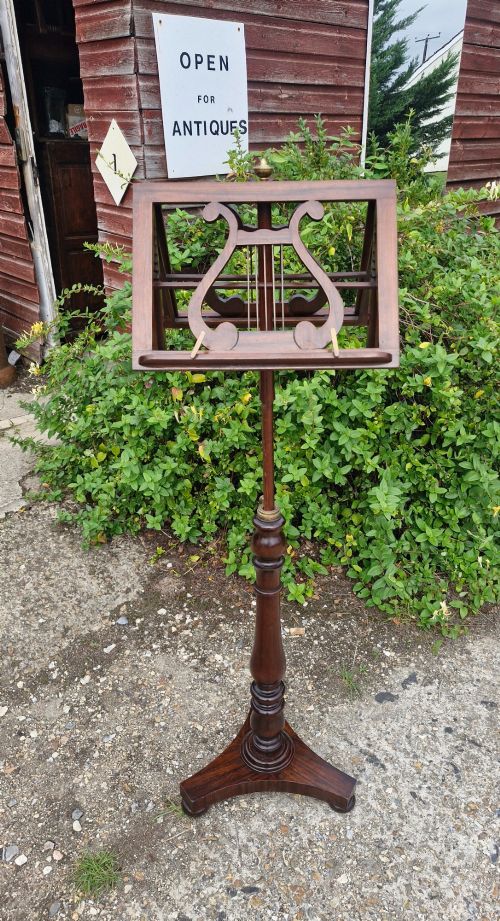
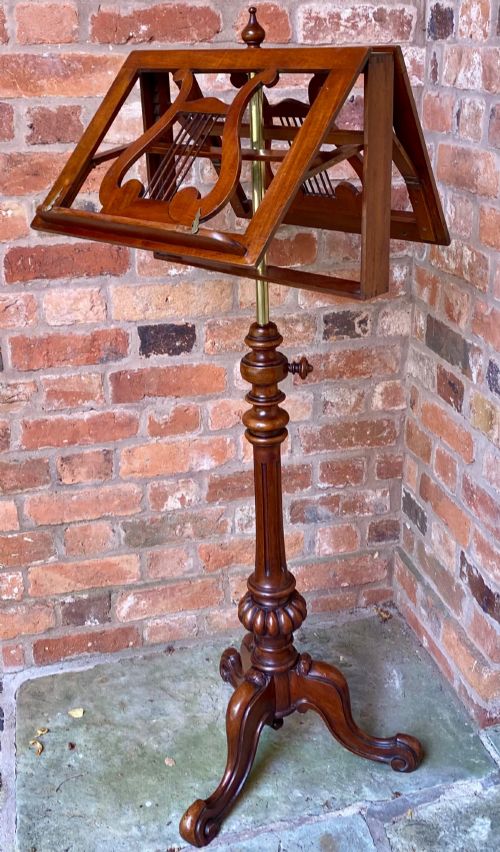
- An adjustable music stand designed to hold scores for two performers simultaneously, commonly mounted on a central pillar with tripod feet.
- Lyre-form
- A decorative motif shaped like an ancient musical instrument, frequently incorporated into the central wooden supports of music stands.
- Fretted
- Woodwork pierced with decorative open patterns, seen on the vertical partitions and sides of finer canterburys.
Music Stand Holder: Frequently Asked Questions
What is a music stand holder used for?
These stands serve to hold sheet music, books, and periodicals within reach of a piano or seating area. Their partitioned sections keep folios upright and sorted.
Historically, they sat beside pianofortes in the drawing room. Today they function equally well as magazine racks beside modern armchairs.
How do I tell a Regency music stand apart from a Victorian one?
Regency pieces often display classical restraint, featuring dark mahogany, brass inlay, and crisp geometric lines. Forms from this era lean toward architectural elegance.
Victorian stands tend to use burr walnut or rosewood with heavier carving, serpentine shapes, and more ornate fretwork. Aesthetic Movement examples may employ bamboo.
Can adjustable music stands still be moved?
Most surviving adjustable stands retain their original brass screw mechanisms and sliding stems. These allow the height and desk angle to be altered.
Careful handling ensures the nineteenth-century metal threads remain undamaged. They function just as they did when first manufactured.
Where should I place a canterbury in a room?
A canterbury suits placement beside a sofa, desk, or armchair where reading materials accumulate. Their compact scale allows them to fit easily into corners.
Freestanding versions look best viewed from all sides in an open space. Those with flat tops can also double as occasional tables.