




Murano Art Glass
Murano art glass brings vibrant Italian colour and skilled hand-blowing into a room, offering striking decorative presence and enduring collectable appeal.
Murano Art Glass
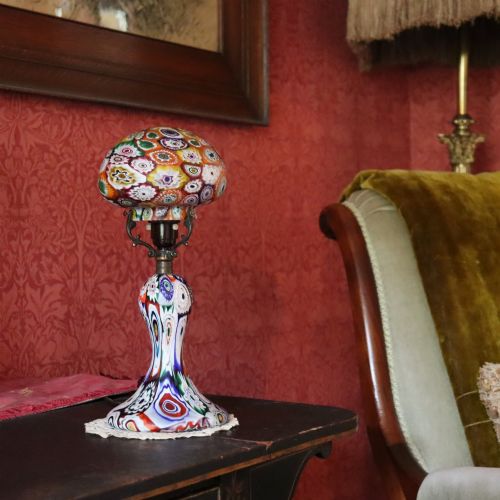
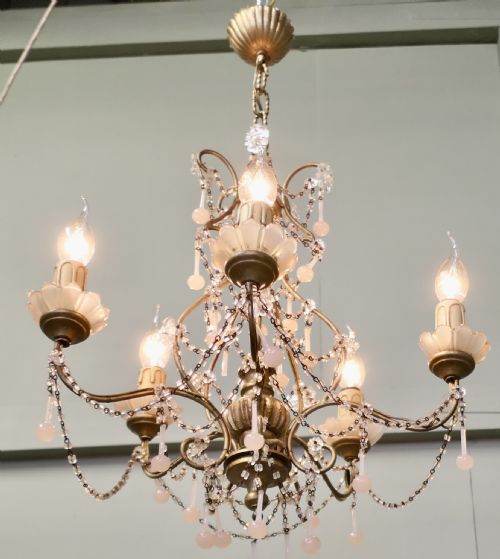
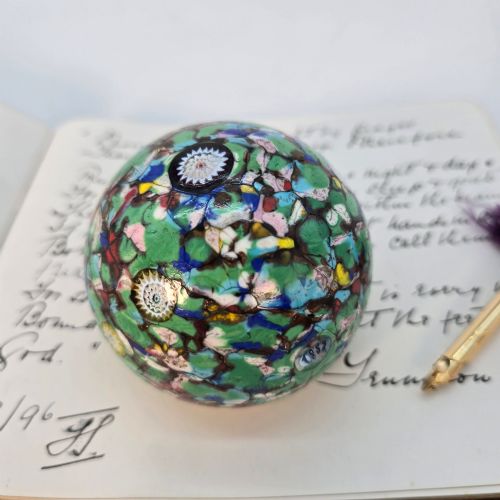
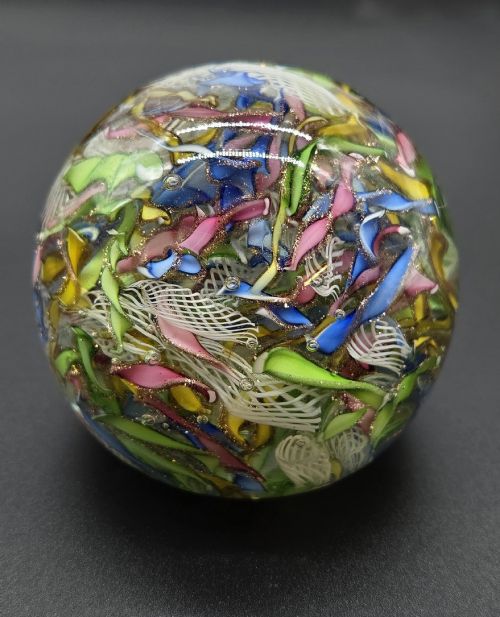
Murano art glass encompasses distinctive decorative pieces originating from the islands of Venice, represented here primarily by items from the early twentieth century through to the mid-century period. Buyers seeking murano art glass encounter a varied selection of forms, ranging from intricate paperweights and table lamps to grand chandeliers, bowls, and vases.
The objects span diverse aesthetic movements, including Victorian examples alongside Art Deco, Venetian Art Deco, and Mid-Century Modern designs. This selection captures both dense multi-coloured millefiori work and fluid, modernist silhouettes produced by master Italian glassmakers.
How they were made
The pieces listed here rely on traditional Venetian glassworking techniques, shaped by hand using glass, crystal, and specialised additions like gold aventurine. Artisans manipulated molten material to create complex interior patterns, delicate twists, and layered colour effects.
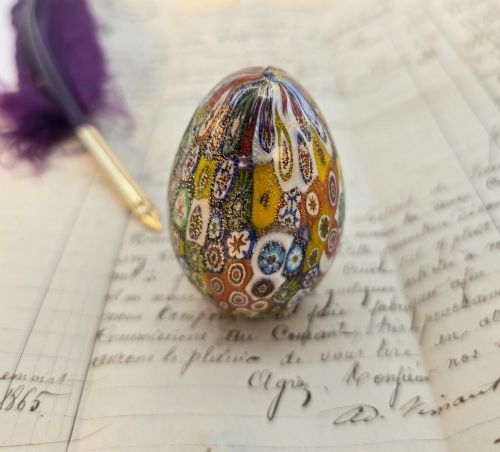
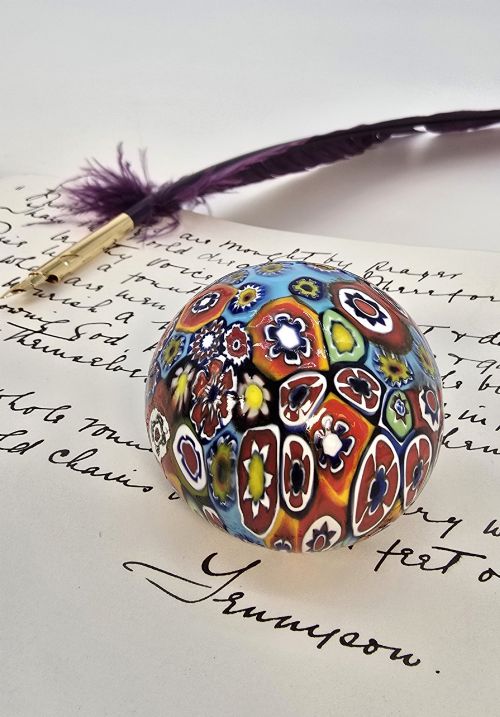
Specific methods include the intricate arrangement of millefiori canes fused into dense paperweights and bowls, alongside ribbed a ritorti formations seen in handkerchief vases. Metal elements such as brass also appear in functional lighting designs.
Murano Art Glass Retail Price Guide 2026
Typical asking prices for murano art glass among the pieces listed under this phrase on Sellingantiques today, from the lower quarter to the upper quarter. They describe what is for sale here now, not the wider market.
What varies in quality
Quality in these works rests upon the complexity of the glass manipulation and the precision of the design execution. Pieces featuring intricate multi-coloured millefiori arrangements or sophisticated controlled twists demonstrate superior technical mastery.
Attribution to notable designers and workshops also distinguishes the upper tier of objects. Greater visual clarity, balanced proportions, and ambitious scale elevate specific items above standard production pieces.
Fratelli Toso·Fulvio Bianconi·Venini·AVEM
The Murano Art Glass Glossary
- Millefiori glass
- A glasswork technique involving multiple mosaic canes fused together to create floral or geometric patterns. These dense designs frequently appear in decorative paperweights and bowls.
- Gold aventurine
- A type of glass containing suspended metallic particles that glitter within the material. This sparkling inclusion adds rich texture to Venetian decorative objects.
- A ritorti
- A technique utilising twisted glass threads to create linear patterns within the body of a vessel. It produces a dynamic sense of movement across handkerchief vases and art glass.
- Handkerchief vase
- A vessel form characterised by ruffled, folded edges resembling a falling cloth. This sculptural shape gained popularity during the mid-century Italian design period.
Murano Art Glass: Frequently Asked Questions
What periods do these pieces cover?
The listings span from the Victorian era and the 1920s through to the 1950s and 1960s. This covers major shifts from early decorative glassware into mid-century modern Italian design.
Each decade brought distinct styles, moving from complex millefiori arrangements to fluid, modernist vase forms and sculptural lighting.
How do I identify a millefiori piece?
Millefiori items feature dense patterns of small, multicoloured glass canes fused together beneath a clear layer. Look closely at the surface to spot repeated floral or geometric cross-sections.
These cane sections are arranged systematically to create rich, carpet-like patterns inside paperweights and decorative bowls.
Were these items meant for daily use?
Most of these objects were created as decorative art, lighting, or desk accessories rather than practical tableware. Paperweights held documents, while chandeliers and lamps provided interior illumination.
Today, collectors primarily display them as focal points on tables, shelves, or fitted with appropriate modern wiring for lighting.
How should I care for glass lamps and vases?
Dust these pieces gently with a soft, dry cloth to preserve their surface finish and metallic aventurine inclusions. Avoid harsh chemical cleaners that might damage delicate glass or associated brass fittings.
For lamps, ensure electrical components are checked and updated by a professional to meet safety standards before regular use.